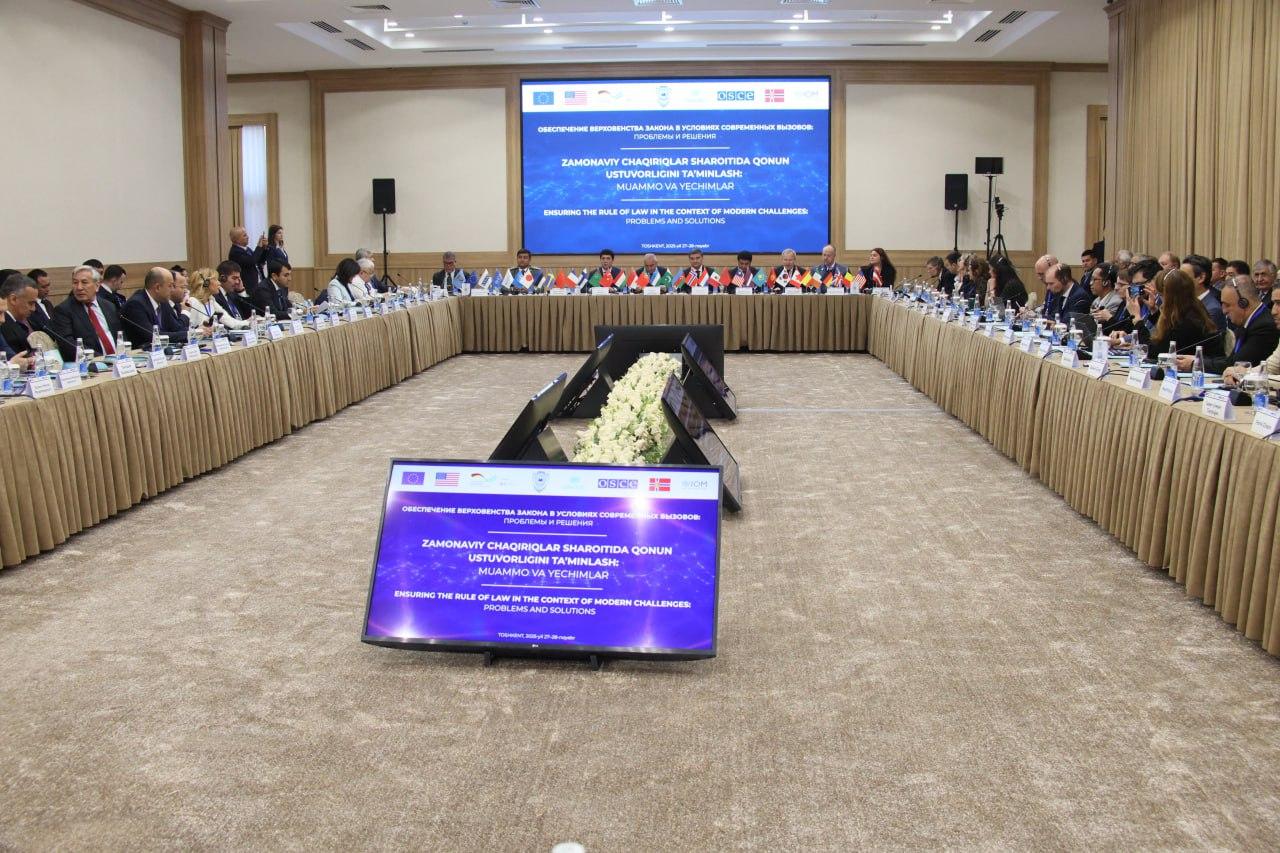
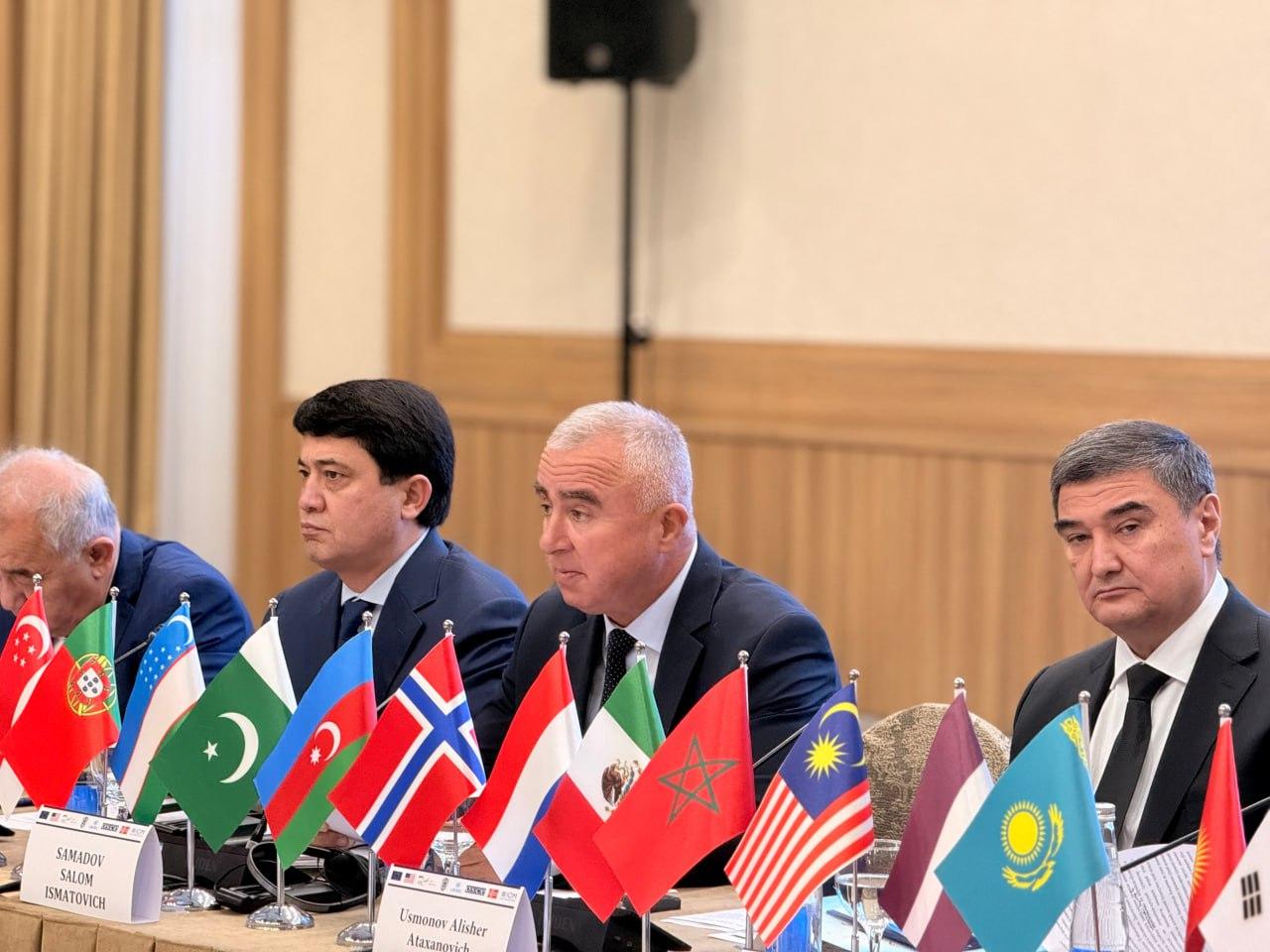
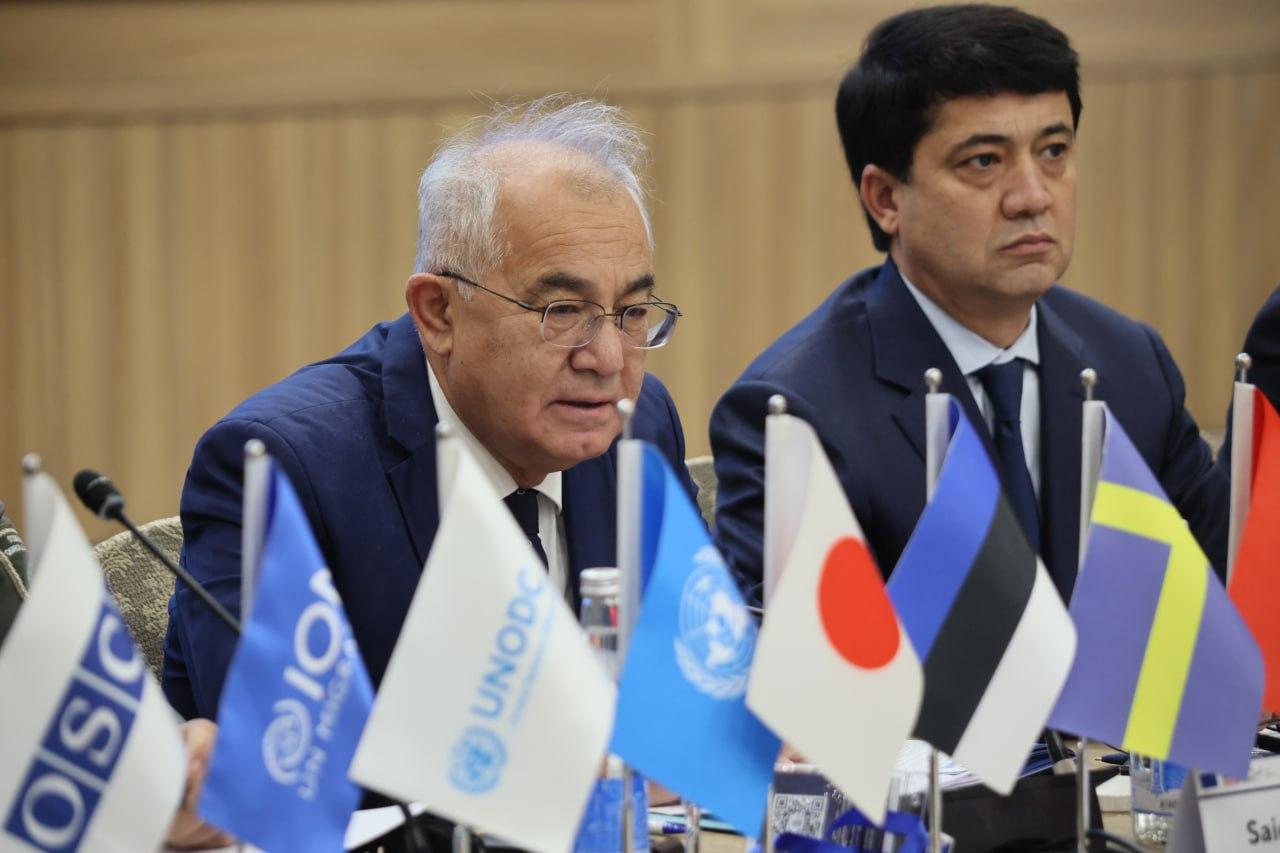
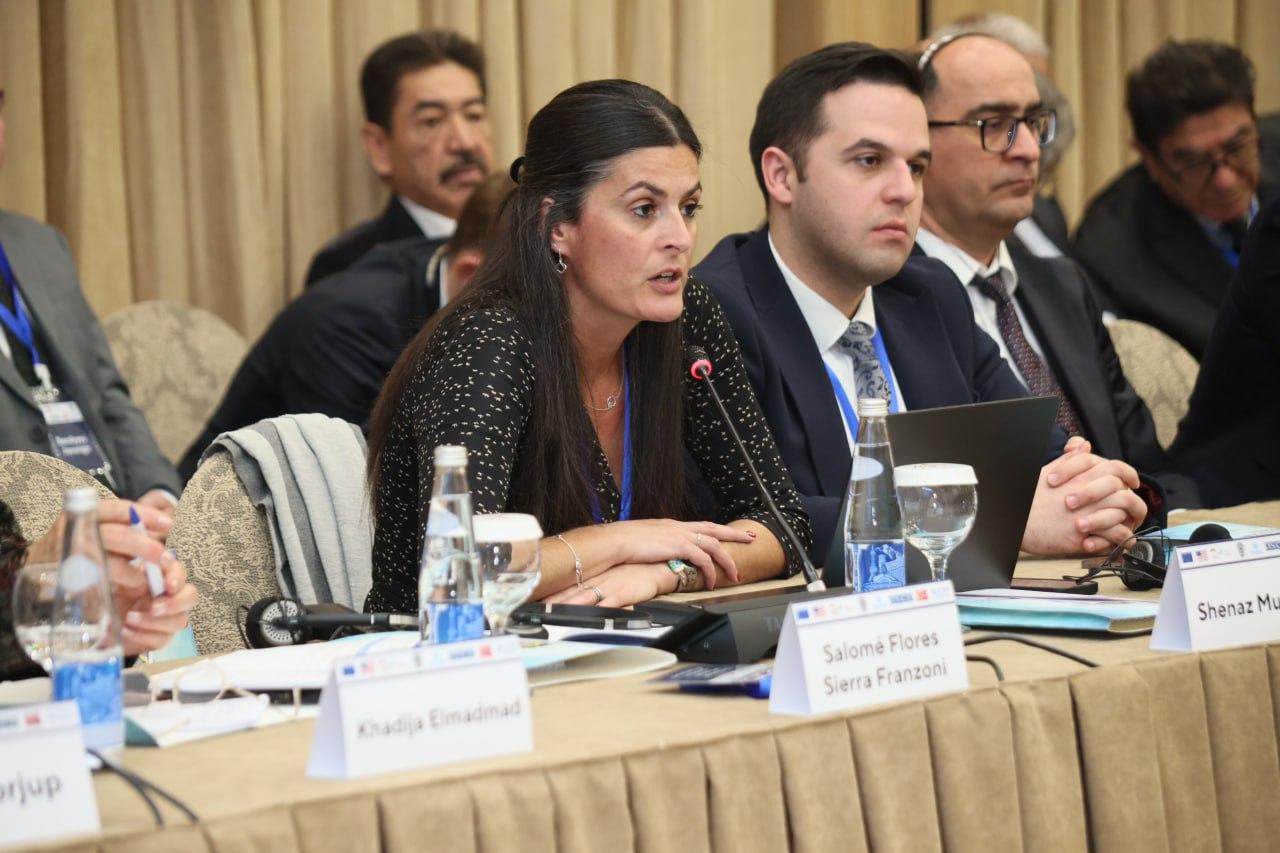
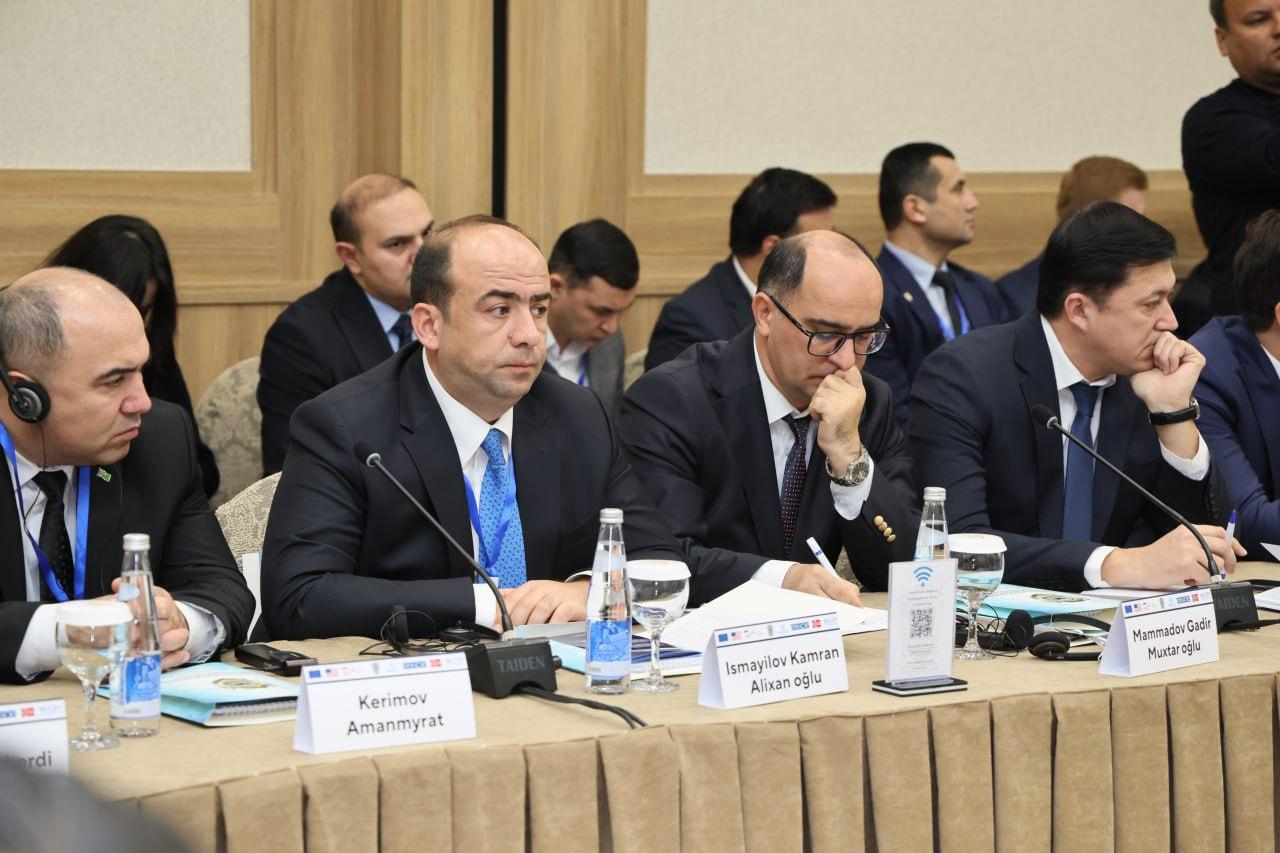
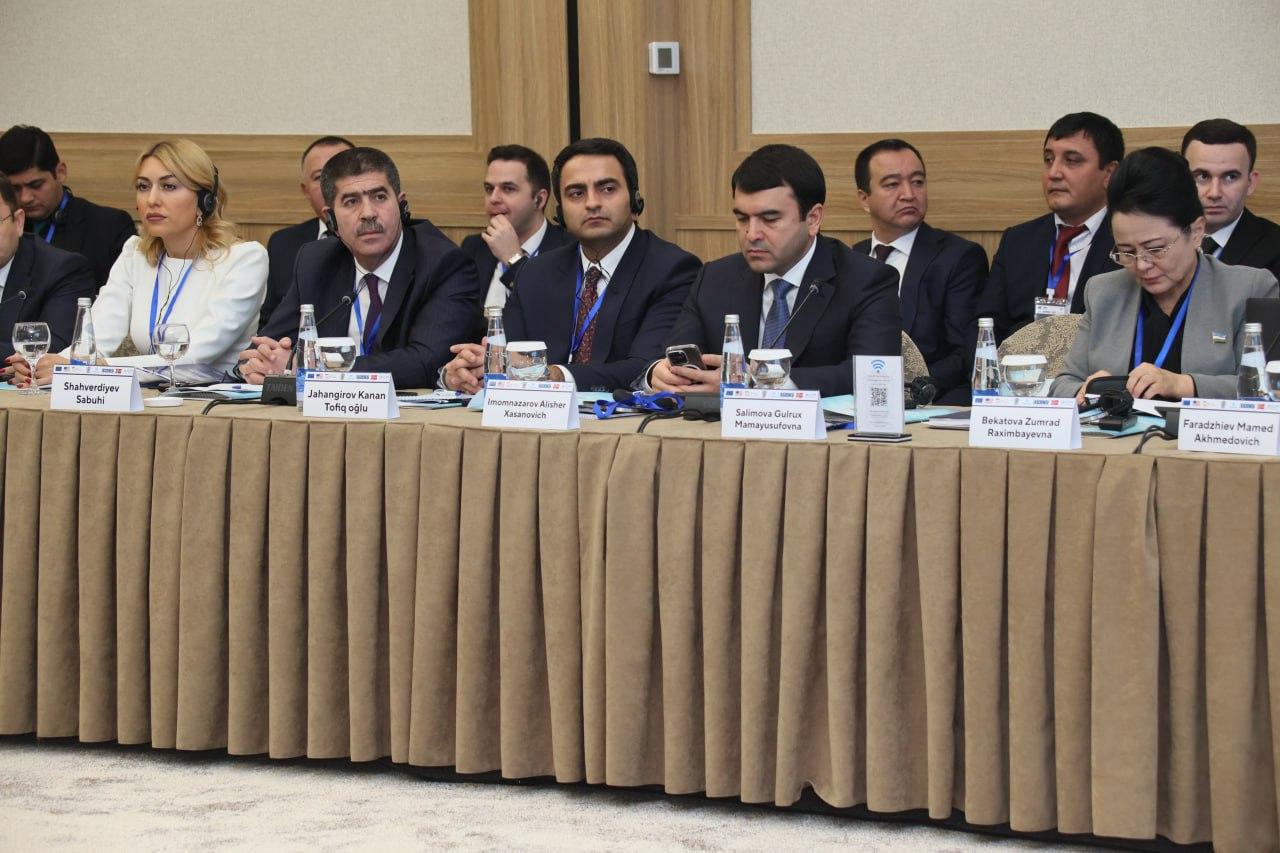
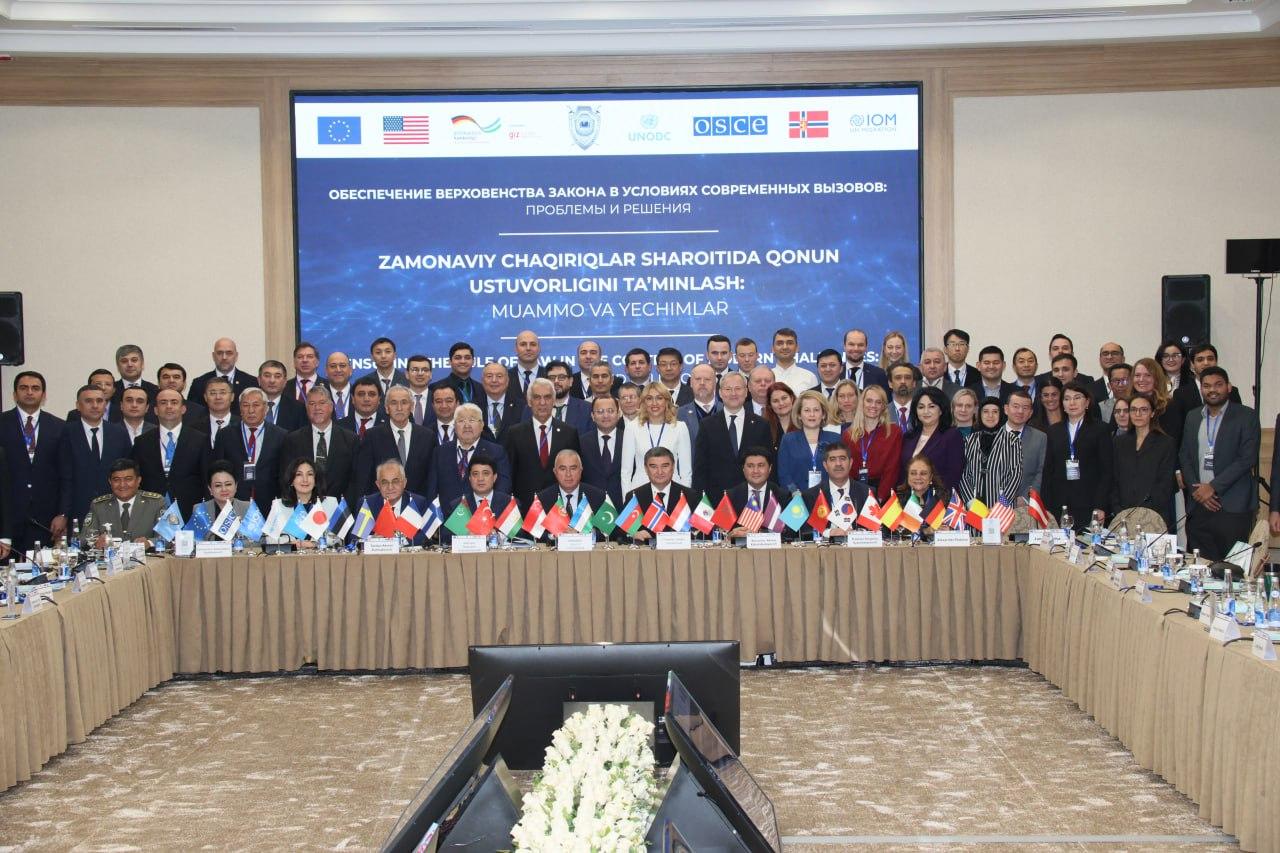
On 27–28 November 2025, the Law Enforcement Academy of the Republic of Uzbekistan is hosting the international scientific-practical conference “Ensuring the rule of law in the context of modern challenges: problems and solutions”, dedicated to the third anniversary of the Academy’s establishment.
The conference has become the concluding and central event of the Academy’s “Academic Decade”, which included nine major international, scientific-practical, and educational activities aimed at strengthening the rule of law, developing professional competencies among law enforcement personnel, addressing modern challenges, and expanding international cooperation.
The event is organized by the Academy in cooperation with GIZ, the OSCE, the United Nations Office on Drugs and Crime (UNODC), ICITAP, the International Organization for Migration (IOM), and other international partners in a hybrid format.
The scale of international participation is demonstrated by the arrival of 49 experts from 34 countries to Tashkent, with the total number of foreign and international participants exceeding 120.
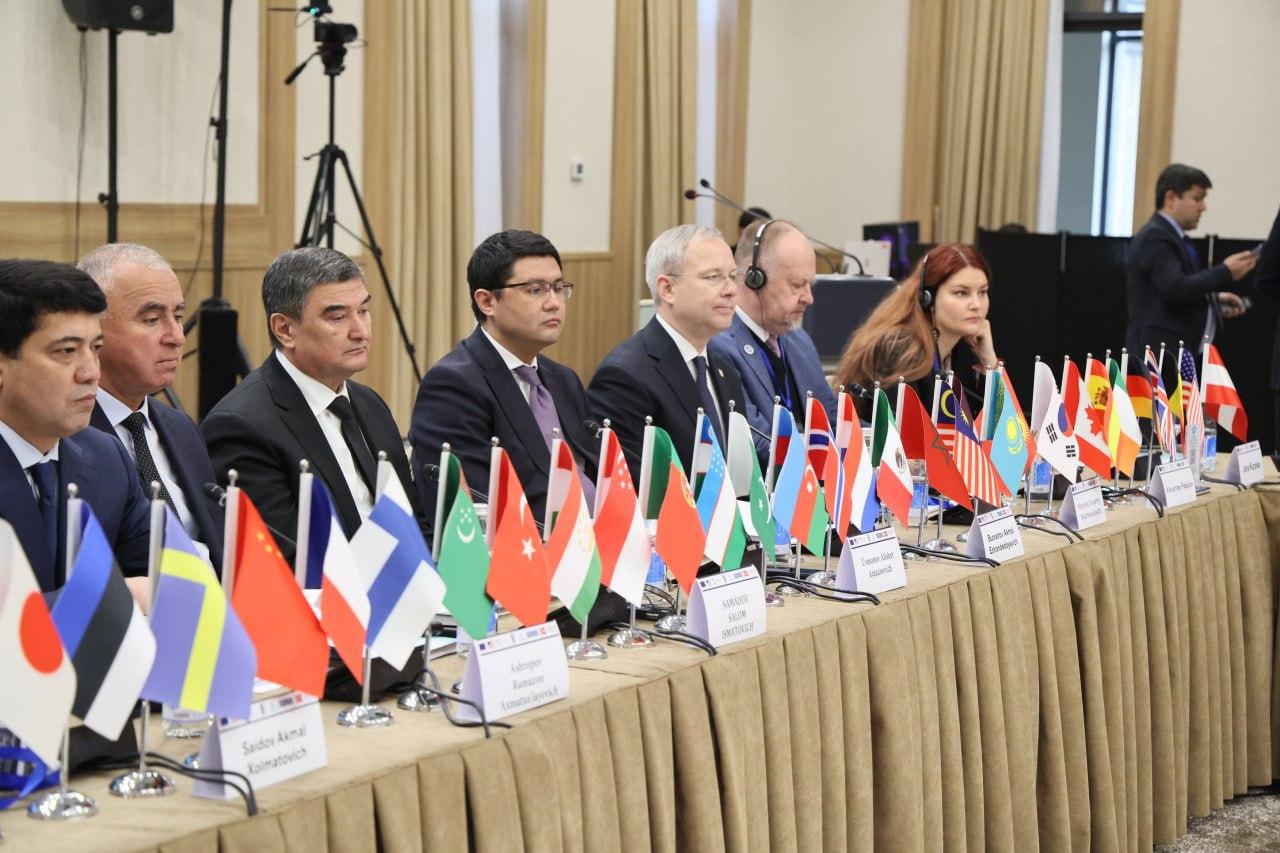
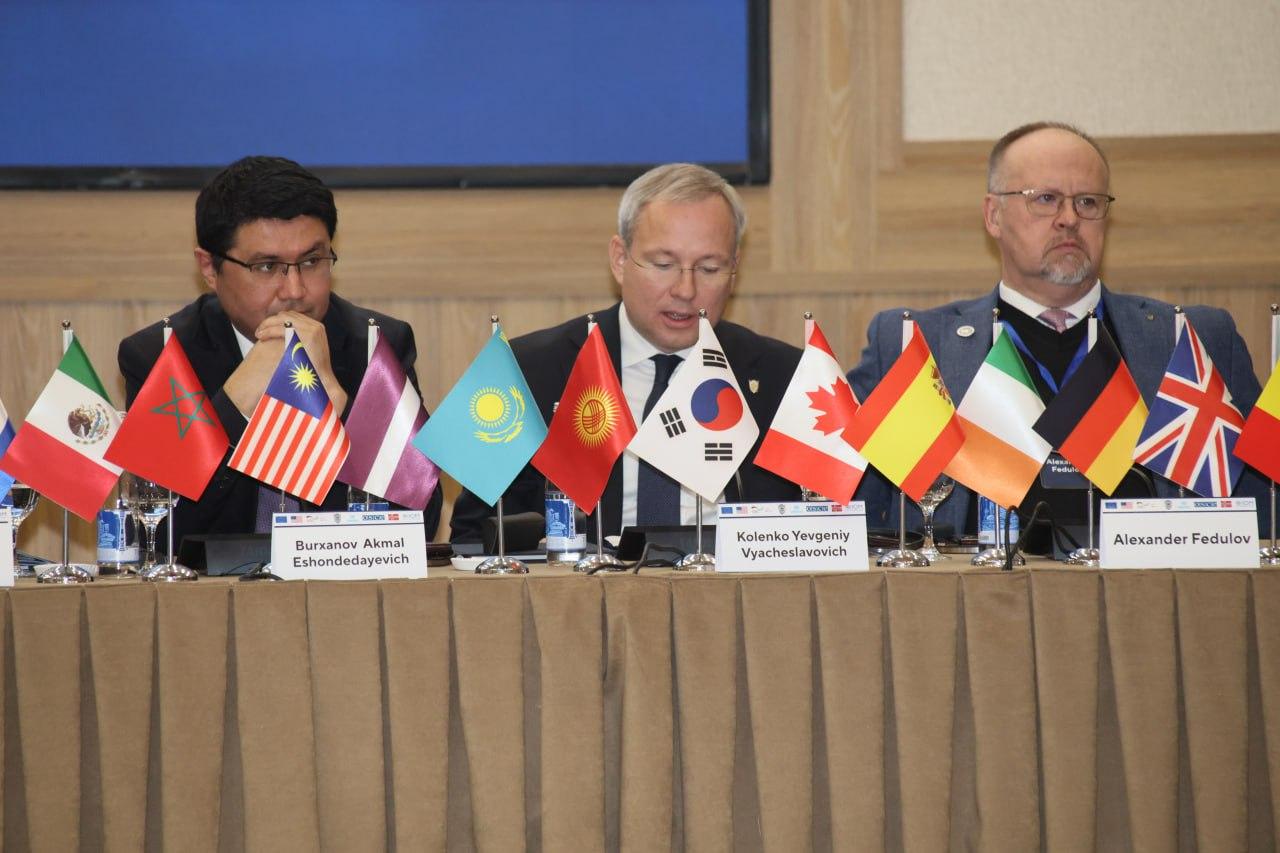
Representatives from the United States, the United Kingdom, Germany, the Netherlands, France, Türkiye, Canada, the Republic of Korea, Malaysia, Morocco, Spain, Latvia, Kazakhstan, Kyrgyzstan, Tajikistan, Azerbaijan, and other countries took part in the conference, along with delegations from such international organizations as the United Nations, OSCE, GIZ, the European Union, the International Association of Prosecutors, UNESCO, UNICEF, MASA, IACA, and the International Organization for Migration.
The conference program includes a plenary session and six parallel sessions dedicated to combating money laundering and terrorist financing, developing education and science in the law enforcement sector, countering corruption, regulating artificial intelligence, ensuring cybersecurity, and protecting human rights in the context of global migration.
At the plenary session, speeches were delivered by top officials of the General Prosecutor’s Office, the Supreme Court, the National Human Rights Centre, the Ministry of Internal Affairs, the National Guard, the State Customs Committee, the Anti-Corruption Agency, the Ministry of Higher Education, Science and Innovation, as well as representatives of the Senate of the Oliy Majlis.
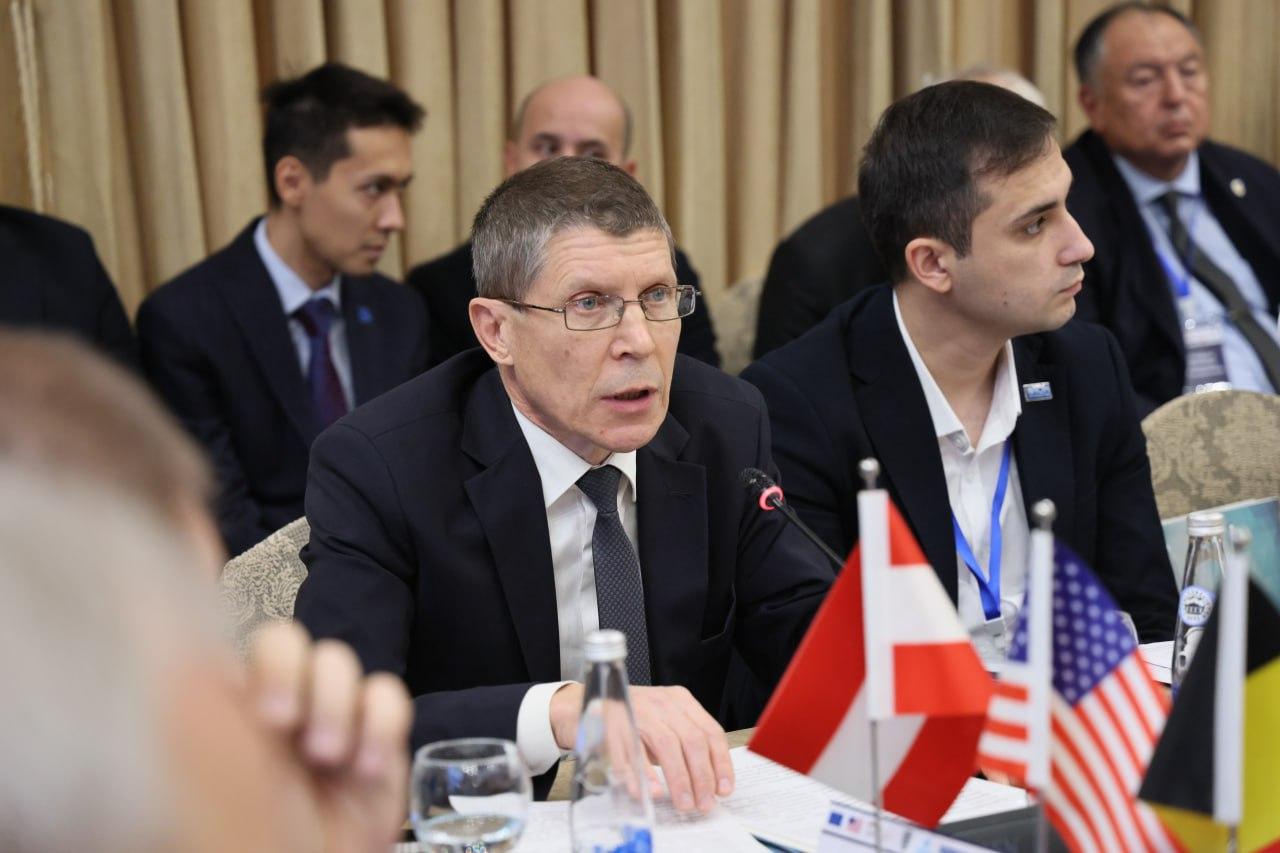
In their remarks, speakers underscored the importance of scientific and educational capacity in modernizing the law enforcement system, the necessity of introducing modern technologies—including artificial intelligence—and the need to train highly qualified personnel capable of countering transnational threats.
International guests also made significant contributions to the dialogue. Heads of law enforcement academies from Kazakhstan and Kyrgyzstan highlighted the importance of expanding international cooperation and experience exchange in the training of specialists. Representatives of the European Union, the UN, the OSCE, and the International Association of Prosecutors emphasized the need to strengthen global cooperation in combating transnational crime, corruption, terrorism, and in promoting the protection of human rights.
Speakers praised the achievements of the Academy, accumulated in a relatively short period, including improvements in professional training, increased research activity, and the expansion of international partnerships. They emphasized that the Academy’s dynamic development aligns with strategic objectives aimed at strengthening the rule of law.
The conference will continue with parallel sessions covering the application of artificial intelligence and digital technologies in combating money laundering, expanding international information exchange, building resilient cybersecurity systems, improving mechanisms for handling electronic evidence, and implementing international anti-corruption standards and ethical-legal approaches to the use of AI in judicial proceedings. A dedicated session will address the protection of the rights of migrants and victims of human trafficking, as well as regional and international efforts in their rehabilitation and reintegration.
On the sidelines of the conference, the Law Enforcement Academy signed memorandums of cooperation with the Main Forensic-Expert Center of the Ministry of Internal Affairs, the international cybersecurity company Group-IB, and the Youth Parliament under the Legislative Chamber of the Oliy Majlis. In addition, several bilateral meetings with foreign delegations were held to discuss promising areas of future cooperation.
The conference has served as an important international platform for sharing best practices, conducting scholarly dialogue, and exploring innovative solutions that contribute to the development of the law enforcement sphere.
The conference materials and final documents will be published as a special compilation.