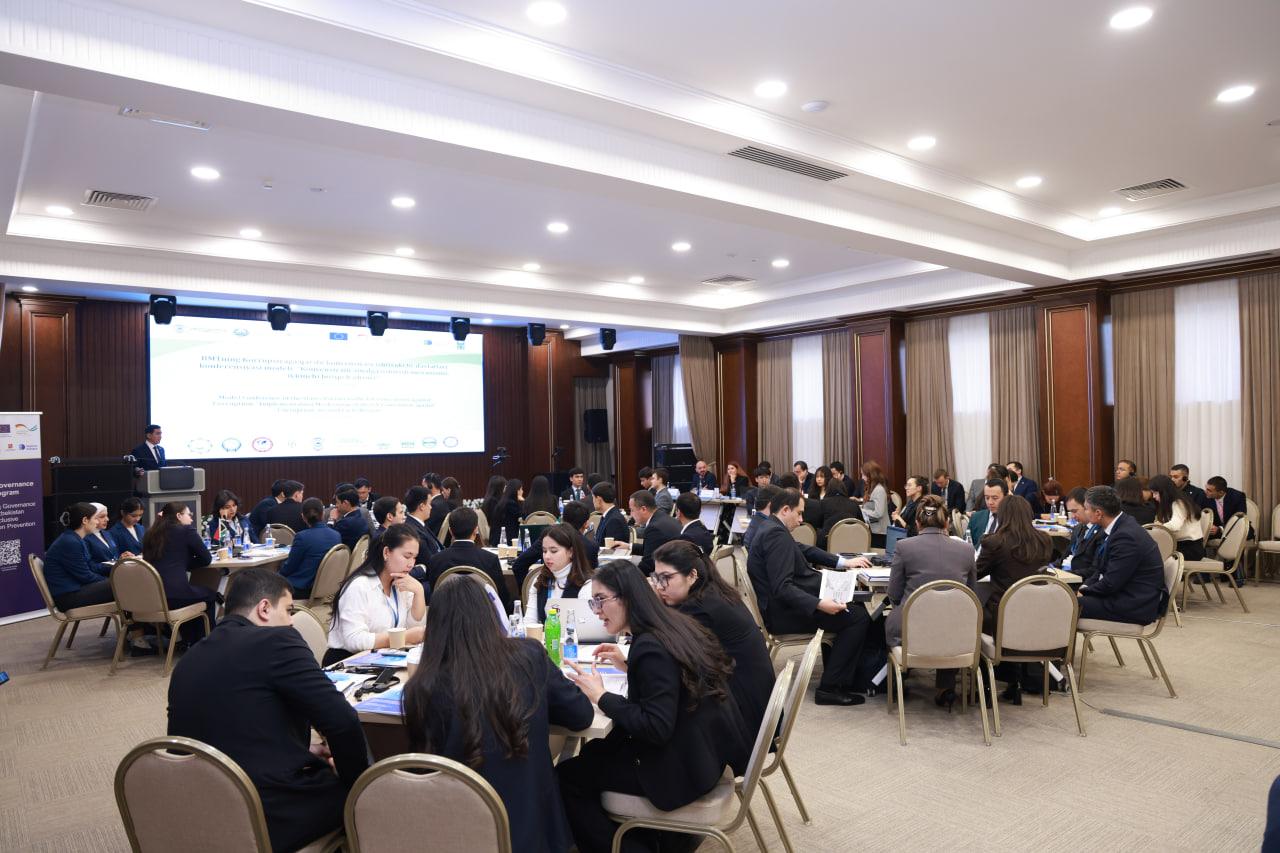
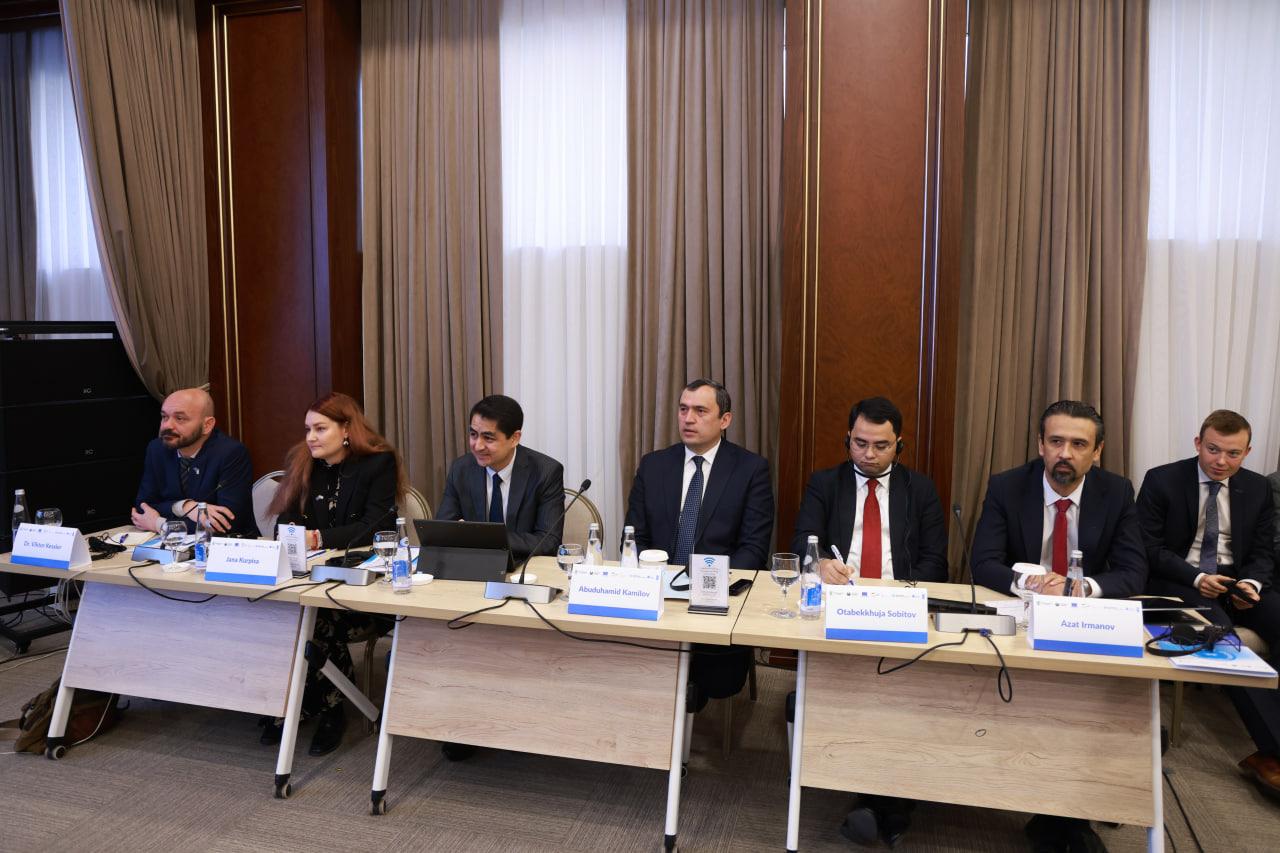

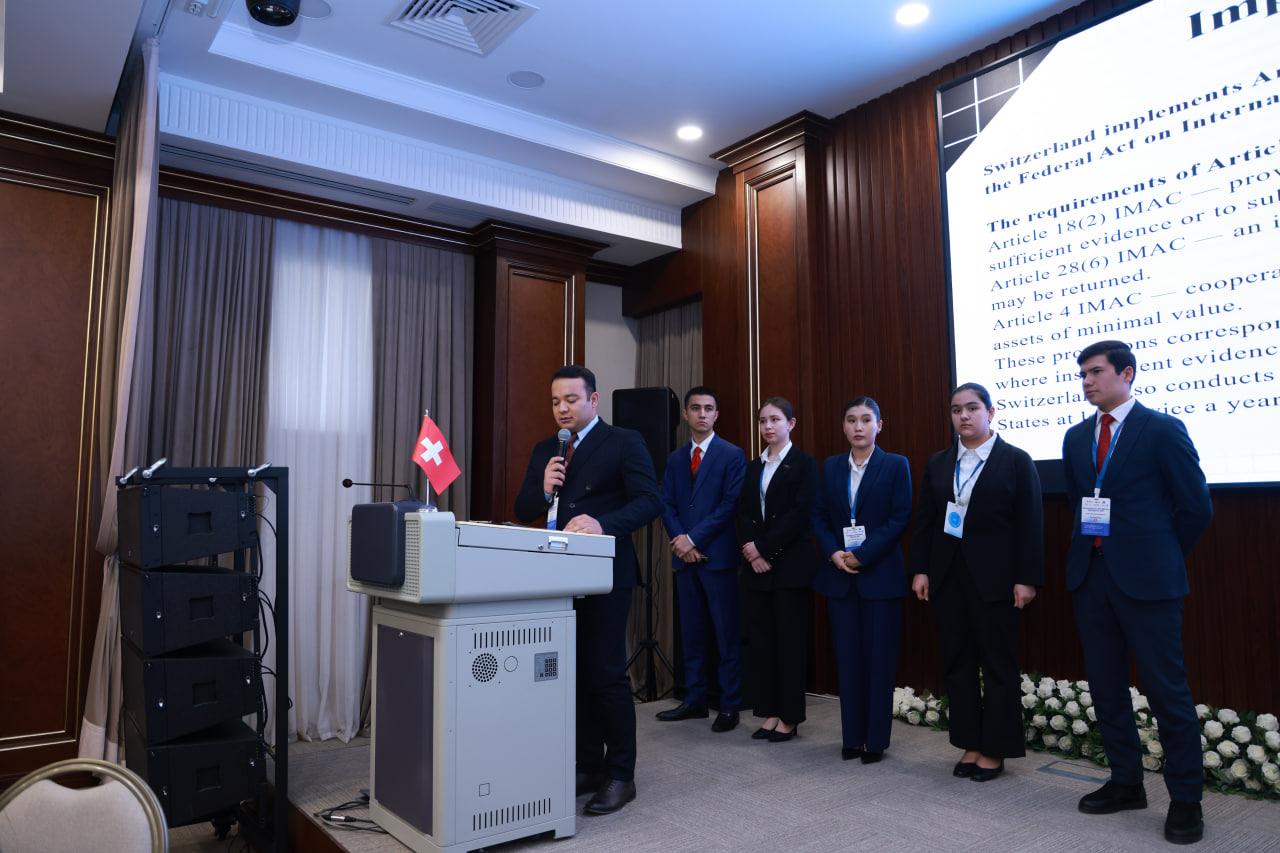

At the conclusion of the academic year dedicated to the third anniversary of the establishment of the Law Enforcement Academy and within the framework of the International Anti-Corruption Month, the Academy organized the "Model of the Conference of the States Parties to the UN Convention against Corruption: Review of the Implementation of the Second Stage."
Since 2019, this annual event has been traditionally held by the Academy in cooperation with the Anti-Corruption Agency, with the support of the German Society for International Cooperation (GIZ), the UN Office on Drugs and Crime (UNODC), the UN Development Programme, and the NGO "Regional Dialogue."
The event was attended by 11 teams consisting of undergraduate and graduate students of legal higher educational institutions of our republic and Central Asia.
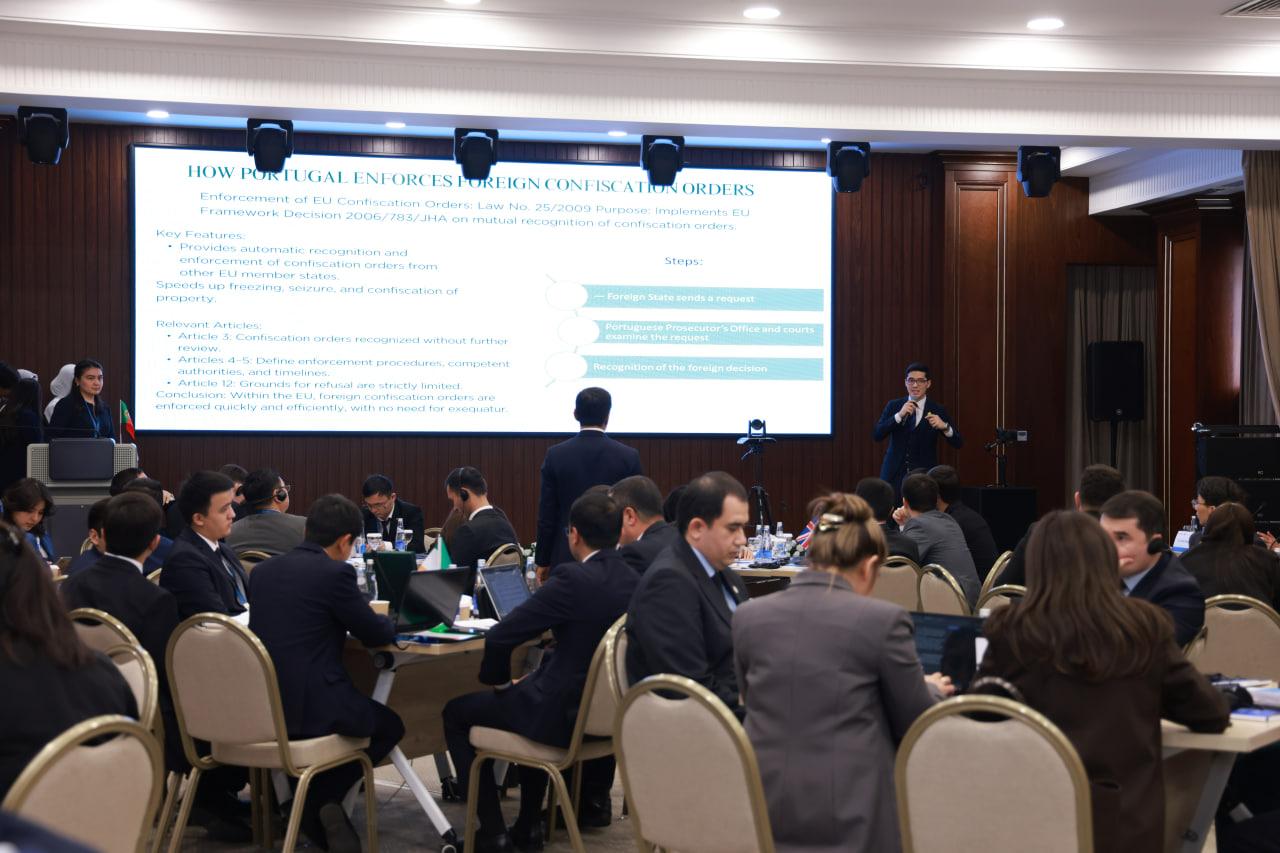
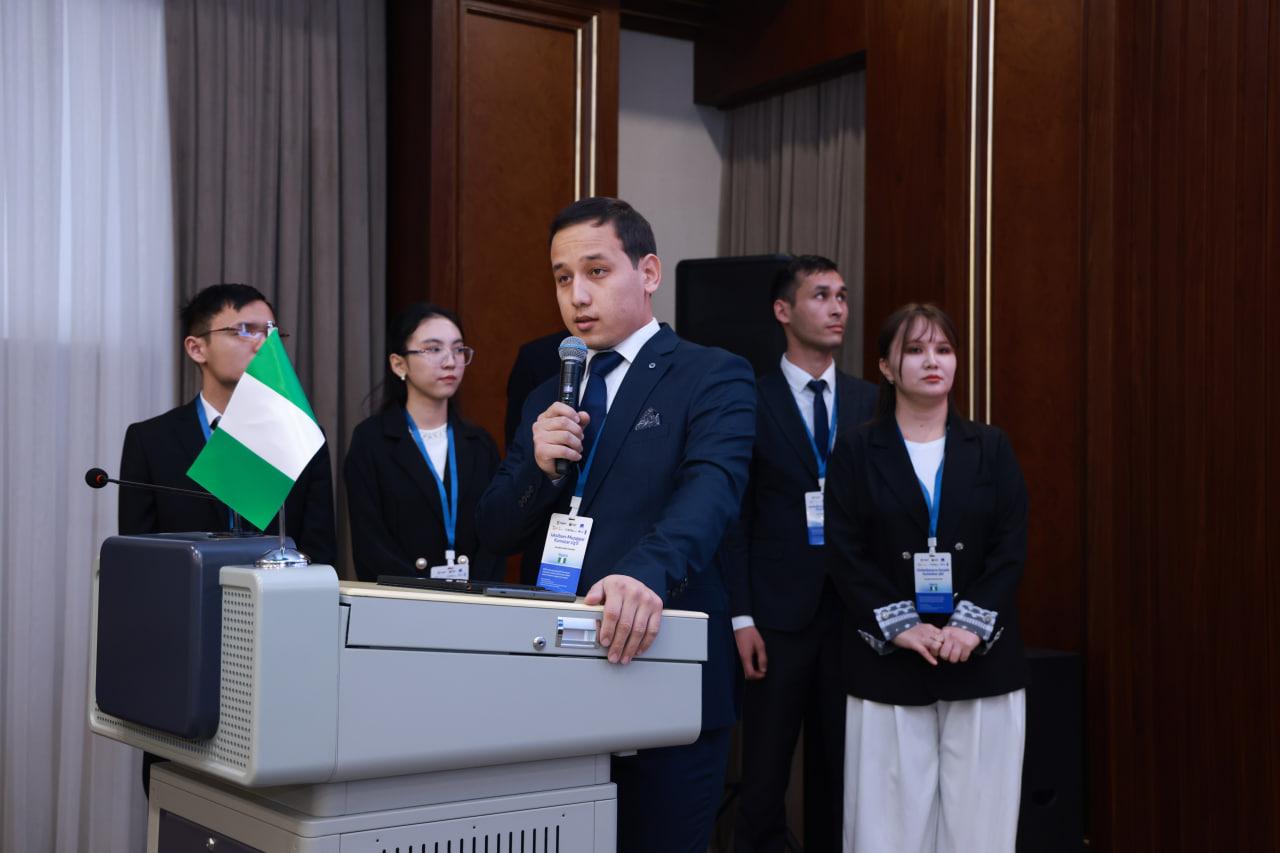
The conference consisted of two stages, where participants demonstrated their knowledge in role-playing games as delegates of the Convention's participating states in the UN Conference model.
In particular, at the first stage, the participants, as conditional delegates of Nigeria, Australia, Germany, Portugal, Switzerland, Slovenia, the USA, Great Britain, Ireland, South Africa, and North Macedonia, reported on the application of Article 55 of the UN Convention, i.e., the rules of international cooperation for the purpose of confiscation, in the legislation of these states.
For reference: Article 55 of the Convention stipulates that participating States may, on their territory, execute and send for execution requests for the confiscation of criminal proceeds, property, and instruments of crime, take measures to identify, monitor, detain, and confiscate such property, and not interpret the provisions of this article in a manner that infringes upon the rights of bona fide third parties.
In the second part of the event, the teams of educational institutions made presentations on improving national legislation through proposals aimed at ensuring the rules of international cooperation for the purposes of confiscation in their countries, based on the experience of the foreign state they represented.
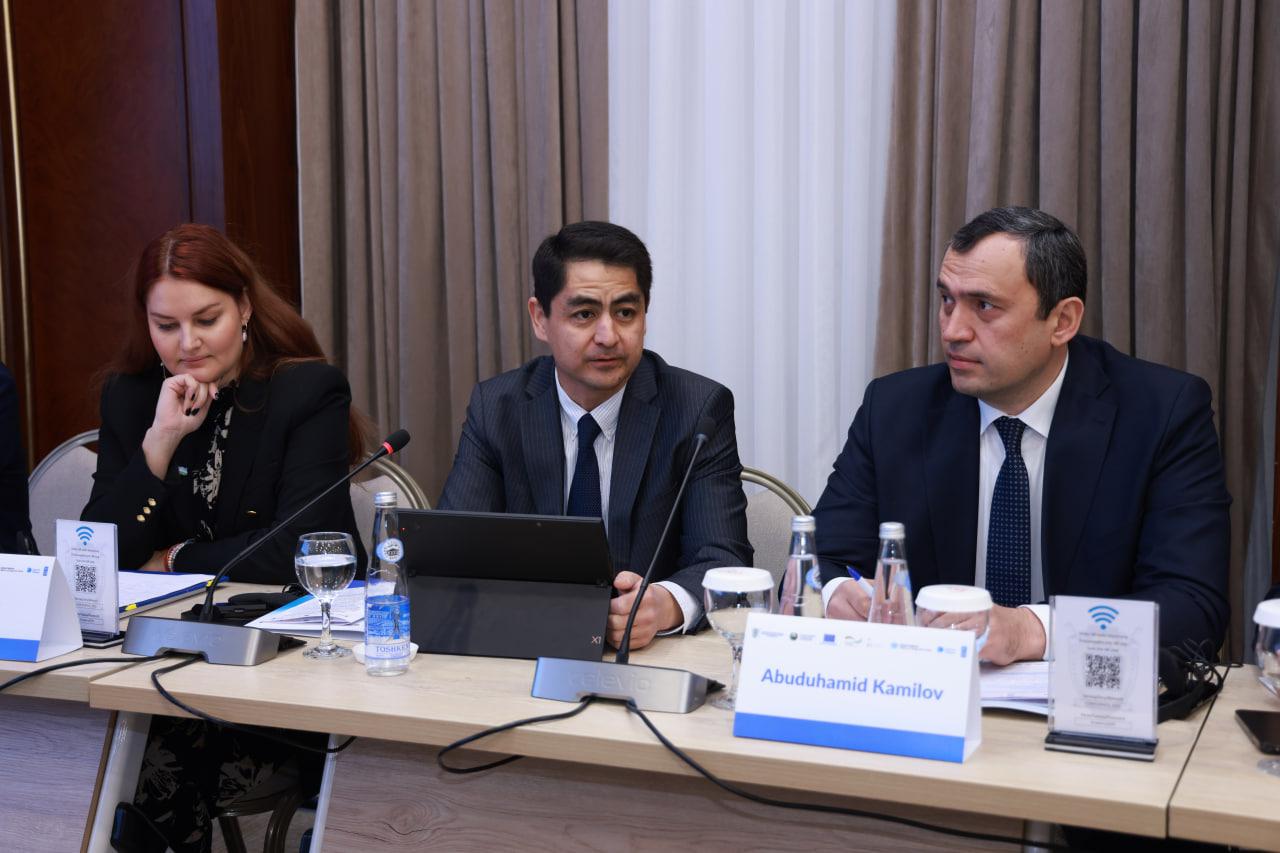
The reports and proposals of the conditional delegates were evaluated by industry experts from the Prosecutor General's Office, UNODC, and GIZ.
This event helped students and students of higher educational institutions to deeply study the issues of developing international cooperation in the field of the UN Convention against Corruption and advanced foreign confiscation, as well as to improve their knowledge and skills in this area.
At the end of the event, all participants were awarded certificates and gifts.