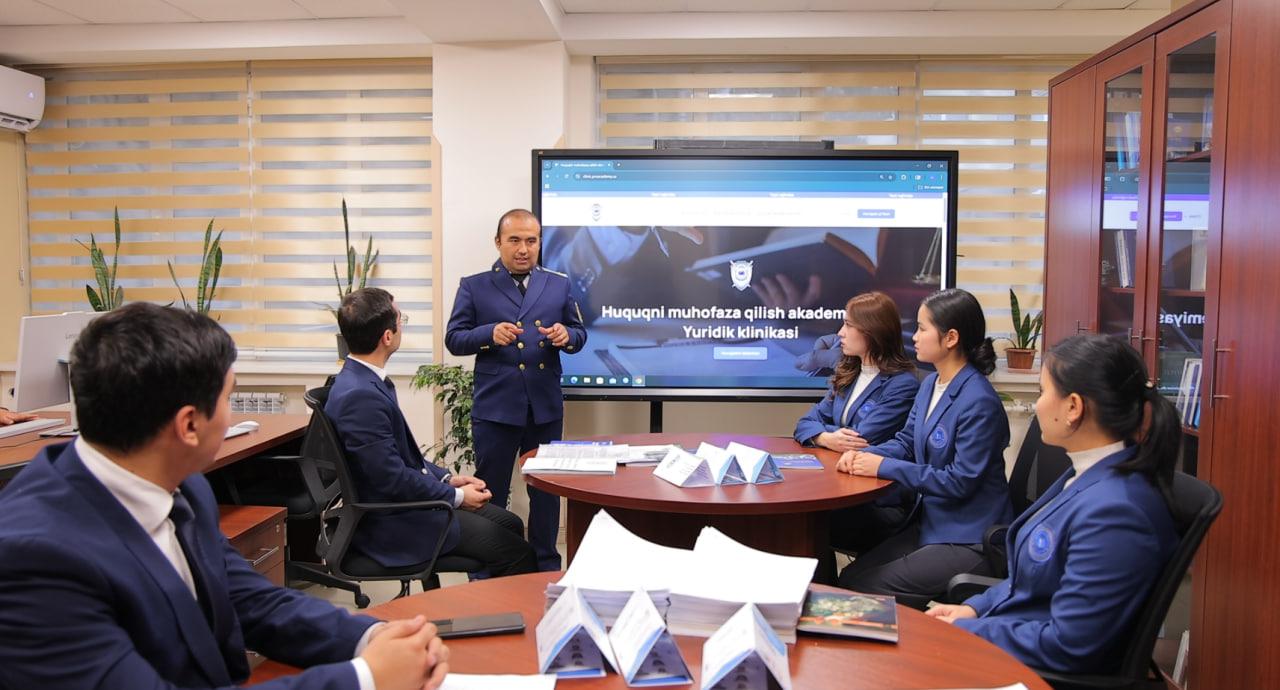
Within the framework of systematic work aimed at closely linking the educational process with practice at the Academy, during the month of innovative classes organized in December of this year, a regular training session was held for undergraduate students in the field of "Prosecutorial Activities" dedicated to modeling prosecutorial investigations in a simulation format.
This training session was organized within the framework of the training module "Theory and Practice of Prosecutorial Oversight" on the topic "Stages of Prosecutorial Investigation and its Specific Aspects." Its main goal was the consolidation of students' theoretical knowledge in the field of prosecutorial supervision, as well as the consistent formation of practical skills in conducting inspections in the supervisory procedure.
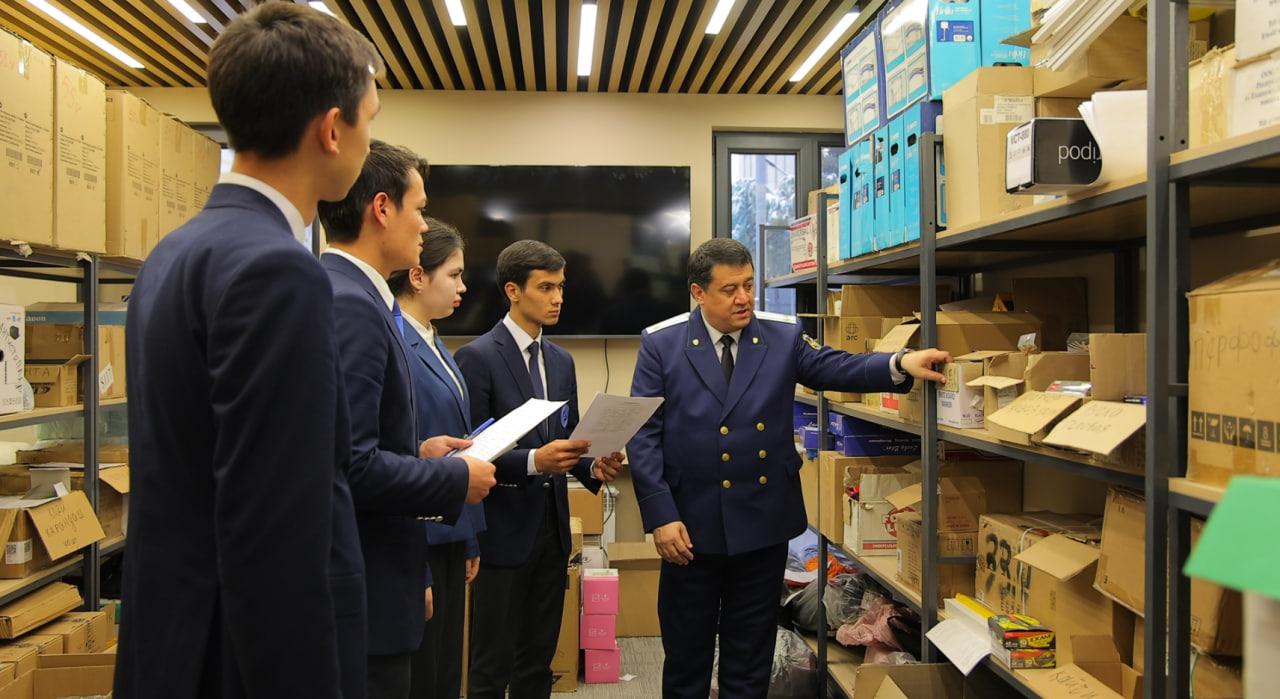
The training session was organized in three stages. At the first stage, four locations with different functional directions were conditionally identified as objects of examination, and appropriate examination groups were formed among students. Also, the directions of the inspection were determined, and a list of questions related to the inspection was developed.
At the second stage, students worked directly at the designated inspection sites, performed the role of officials carrying out the prosecutor's inspection in a simulation format, and practiced the procedure for conducting control measures.
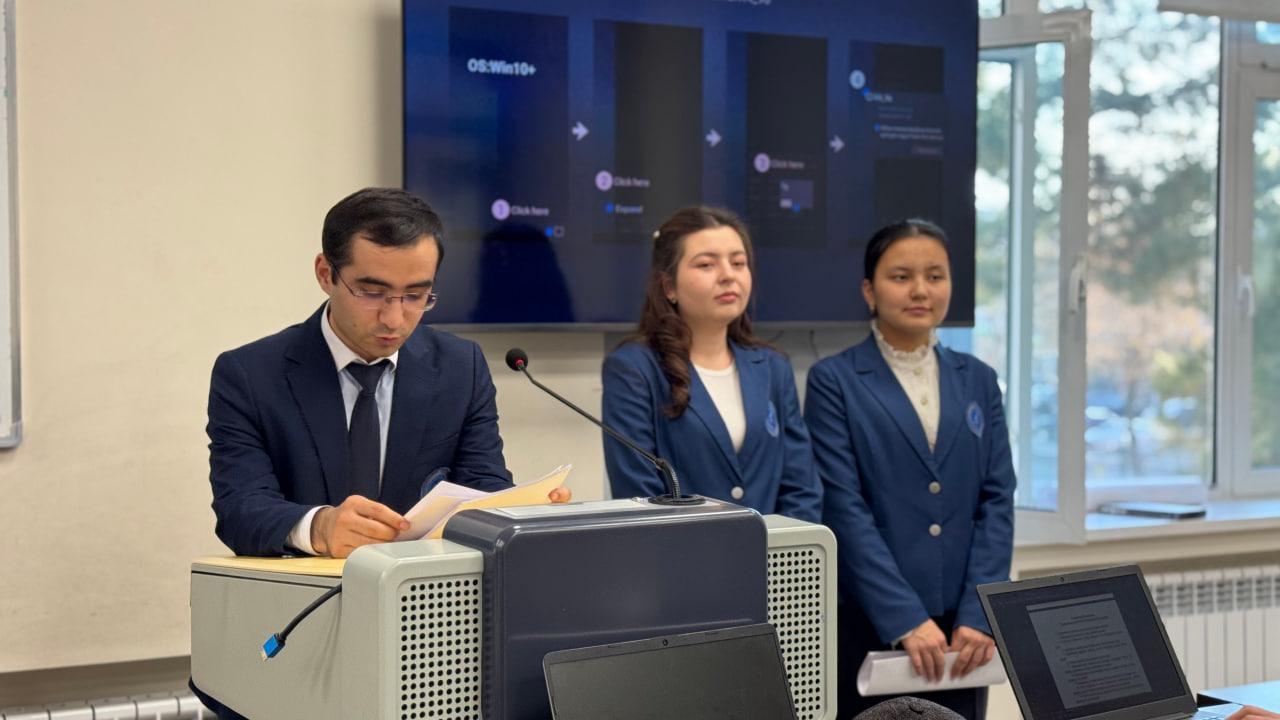
At the final stage, the inspection groups made presentations on the circumstances identified during the modeling process and submitted certificates prepared based on the results of the inspection and draft documents on prosecutorial measures for educational purposes.
This training session, organized in a simulation format, is an important component of the systematic approach aimed at the comprehensive training of students at the Academy and serves to harmoniously complement professional knowledge and practical skills formed in the process of audit classes, practically oriented forms of training, training within the framework of dual education, as well as direct practical activities in the relevant bodies.