


In order to ensure the implementation of the tasks defined in the resolutions of the President of the Republic of Uzbekistan dated January 3, 2025 No. PP-1 and dated January 5, 2026 No. PP-1, the Law Enforcement Academy is carrying out systematic work to create a safe environment in the regions, methodological support for activities aimed at early prevention of offenses and ensuring the safety of the population.
Within the framework of this activity, the Academy, together with the Japan International Cooperation Agency (JICA), implemented the joint project "Road Safety" in order to provide methodological and analytical assistance in ensuring road safety, which is one of the important structural areas of public safety and relevant for the population.
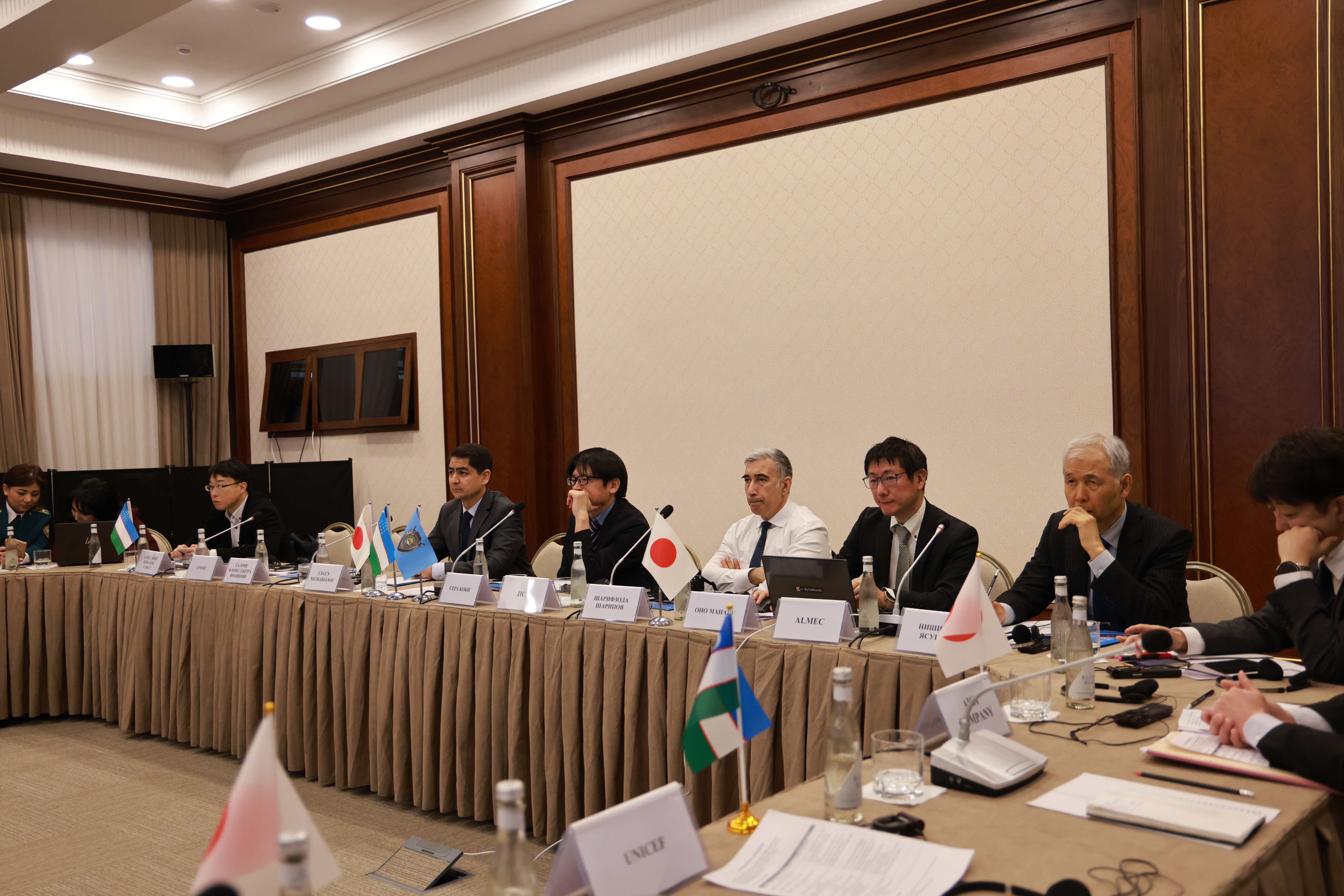
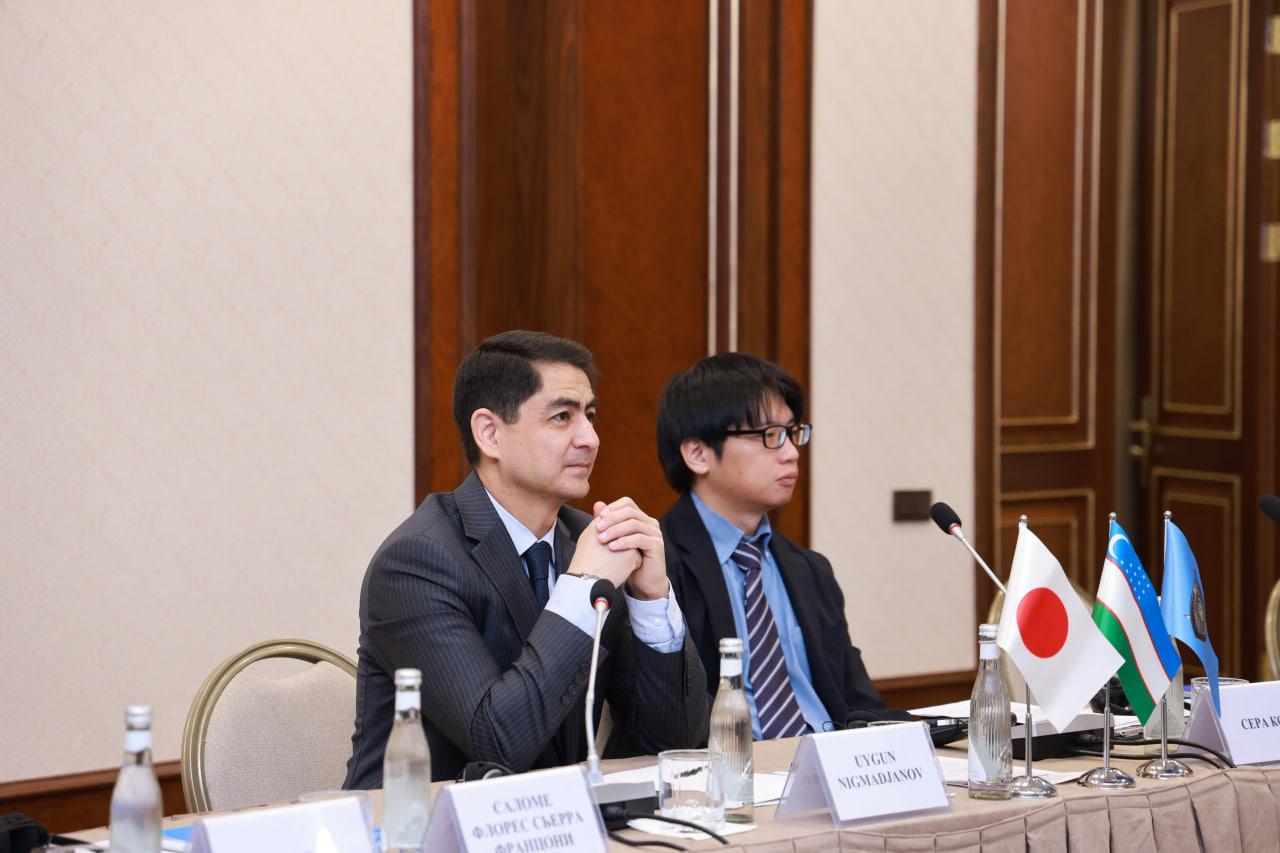
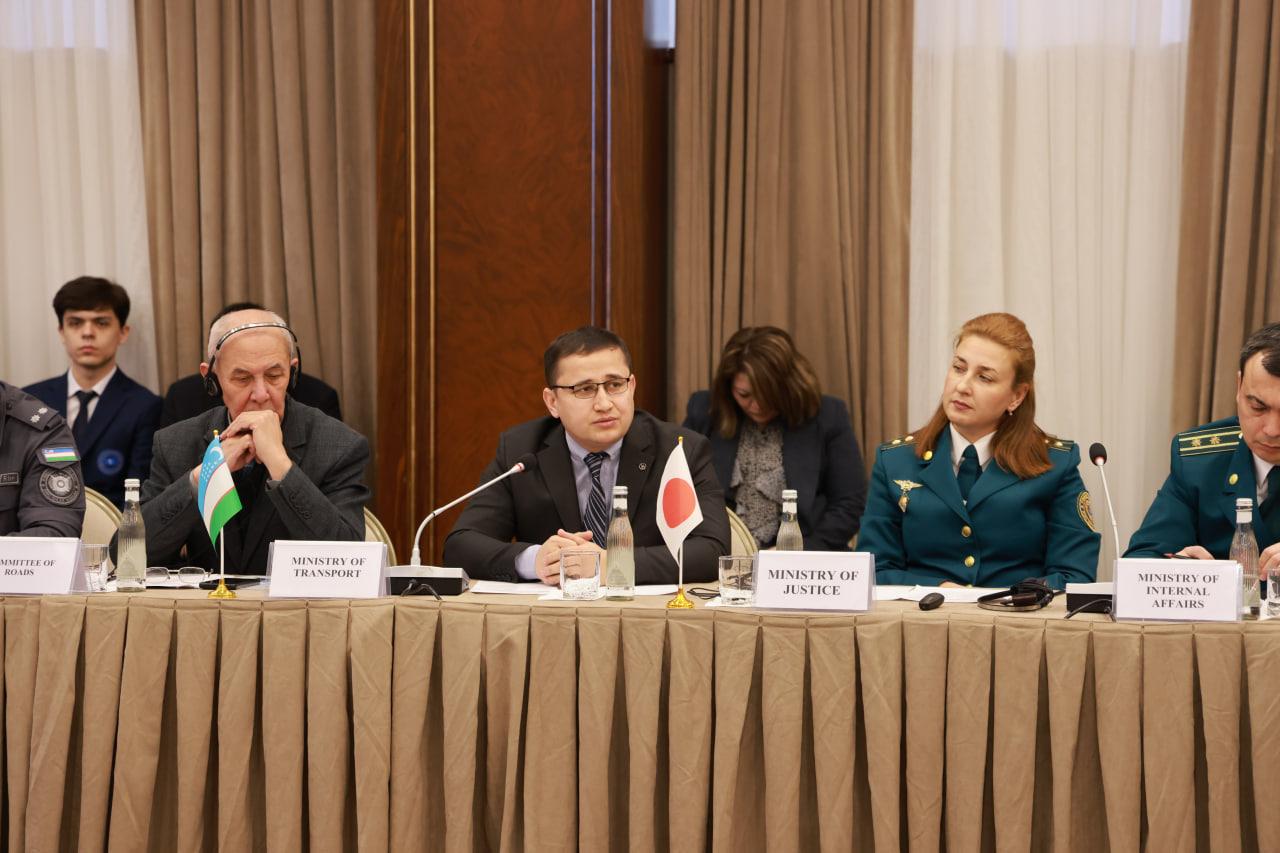
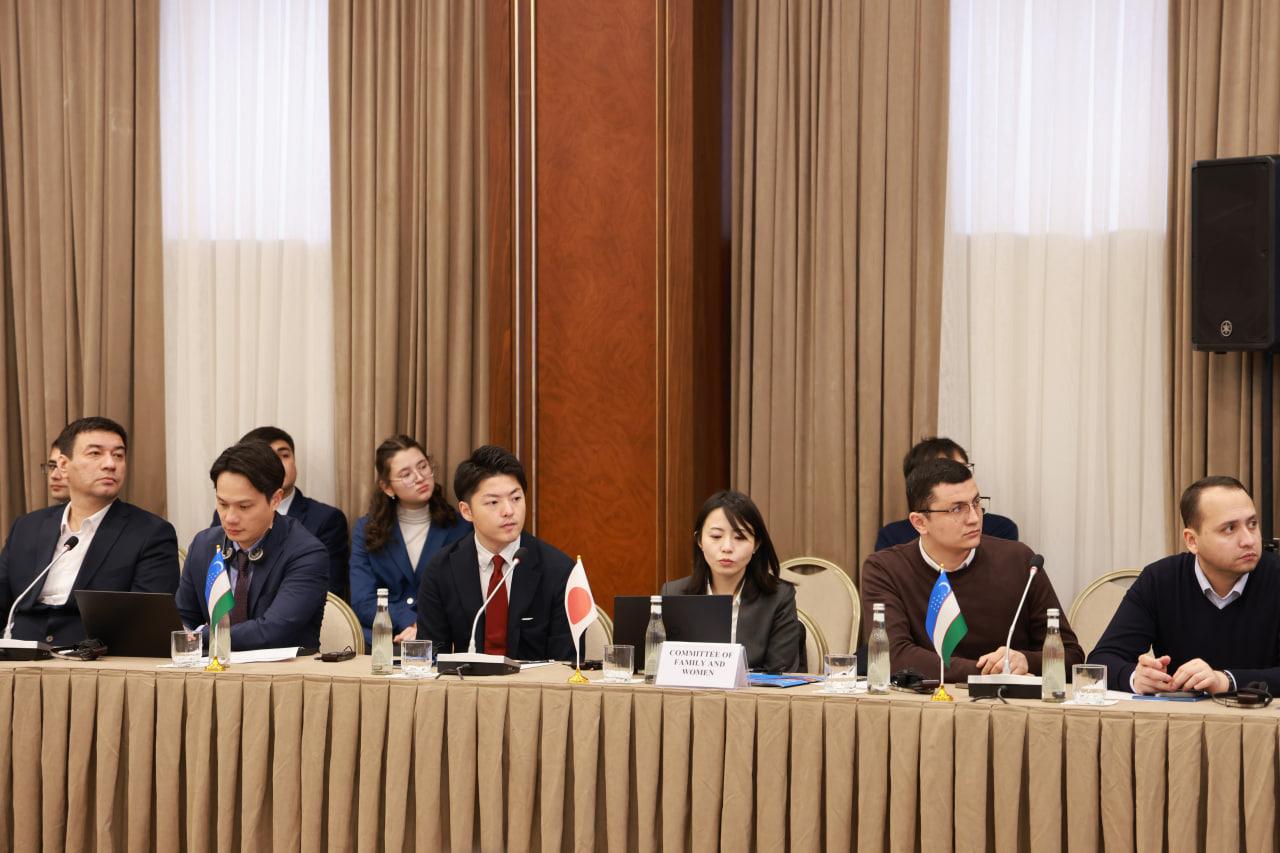
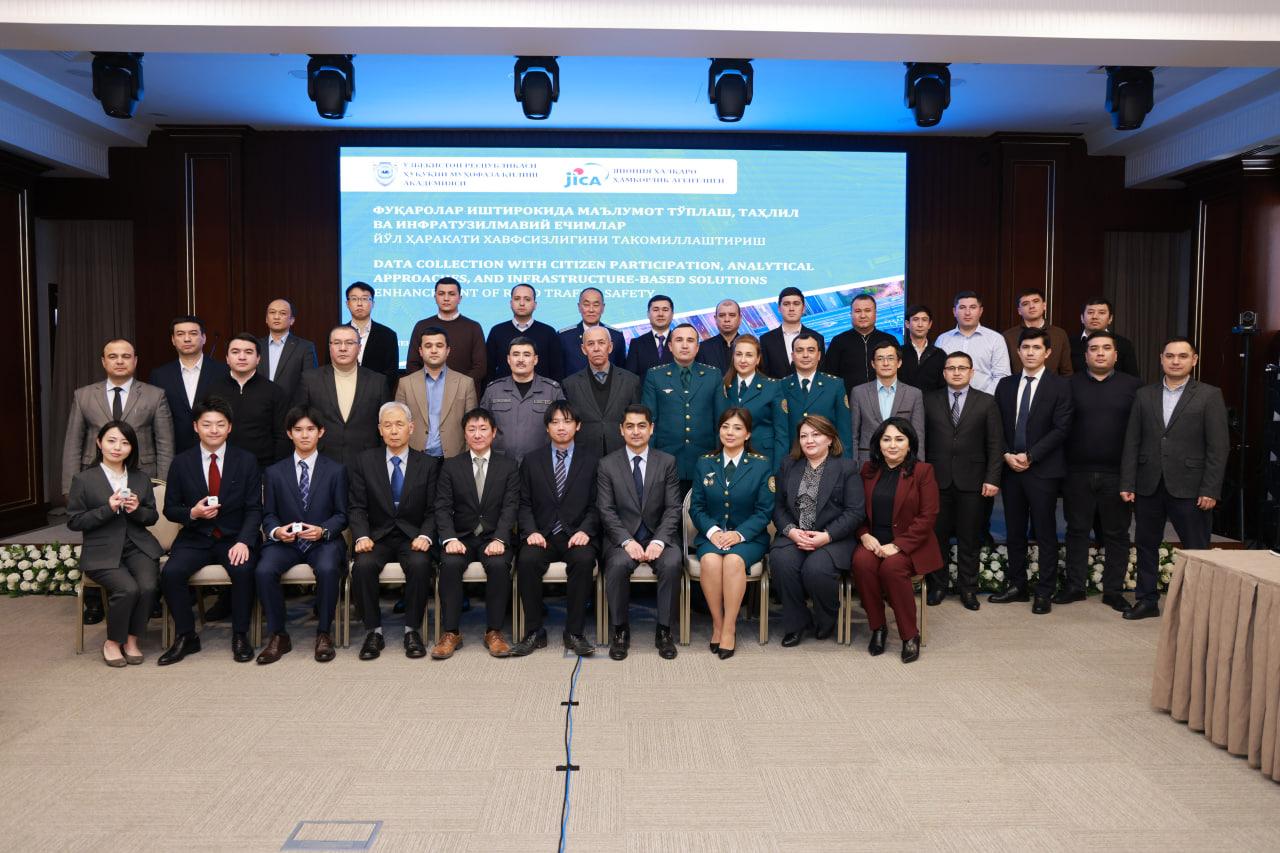
On January 22, 2026, an international conference dedicated to the results of this joint project was held at the Academy. Within the framework of the event, the results of the work carried out over the past two and a half years, practical solutions implemented in pilot regions, approaches based on data analysis, and priority tasks for the future were discussed in detail.
The conference was attended by representatives of government bodies and agencies, industry organizations, the scientific community, practicing specialists, the media, as well as the JICA delegation and Japanese experts. During the discussions, it was emphasized that the issue of road safety should be considered not as a separate sectoral problem, but as a complex system inextricably linked with human life and health.
Speaking at the event, the Deputy Head of the Academy, U.U. Nigmadjanov, noted that control measures or infrastructure solutions alone are not enough to achieve sustainable results in the field of road safety, and in this regard, information-based management, scientific analysis, prevention, and multidisciplinary cooperation are of great importance. It was emphasized that the joint project will contribute to the formation of such a systematic approach.
The joint project "Road Safety" was implemented at the Academy as a long-term program for two and a half years. Within the framework of the project, with the participation of six specialists from Japan, a comprehensive study was conducted on an in-depth analysis of the main causes of road accidents, working with available statistical data, identifying risk factors, and developing practical recommendations.
Special attention was also paid to improving the practice of data collection and analysis, introducing methods for identifying areas with a high risk of accidents, and preparing educational and methodological materials for specialists in the field.
During the project process, the issue of road safety was considered on the basis of a multi-sectoral approach. Meetings and expert discussions were held with the participation of the transport sector, the healthcare system, educational institutions, insurance organizations, and law enforcement agencies. This clearly demonstrated the interconnection between preventive measures, infrastructure measures, advocacy work, and law enforcement practice.
One of the important practical stages of the project was the pilot work carried out in the Yunusabad district of Tashkent and the city of Yangiyul, Tashkent region. During the pilot, a team of Japanese experts and local specialists analyzed traffic accident data, studied high-risk points on-site, and proposed engineering and organizational solutions.
At the same time, a mechanism for direct communication with the public was established, and citizens' appeals were identified through a GIS map and used as an additional analytical resource.
Within the framework of pilot activities, work was carried out at the expense of project funds to improve traffic safety around educational institutions, regulate pedestrian traffic, reduce traffic speed, update road signs and markings, and create safety islands in some sections. Educational events on road safety were also organized among schoolchildren.
Within the framework of the project, training and practical exercises for industry specialists were also held at the Academy. During the training sessions, methods for studying road traffic accidents, data analysis standards, identifying risk factors, and assessing the effectiveness of decisions made were considered based on practical examples. Particular attention was paid to the identification of hazardous points based on scientific criteria and the harmonization of measures in various areas.
The results of the conference and the joint project once again confirmed the relevance and practical significance of a data-driven, multidisciplinary cooperation-based systemic approach to road safety. The results obtained and methodological solutions developed within the framework of the project will be widely used by the Academy in further scientific-analytical, educational-methodological, and expert activities, including in the process of providing methodological assistance to sectoral bodies and organizations.