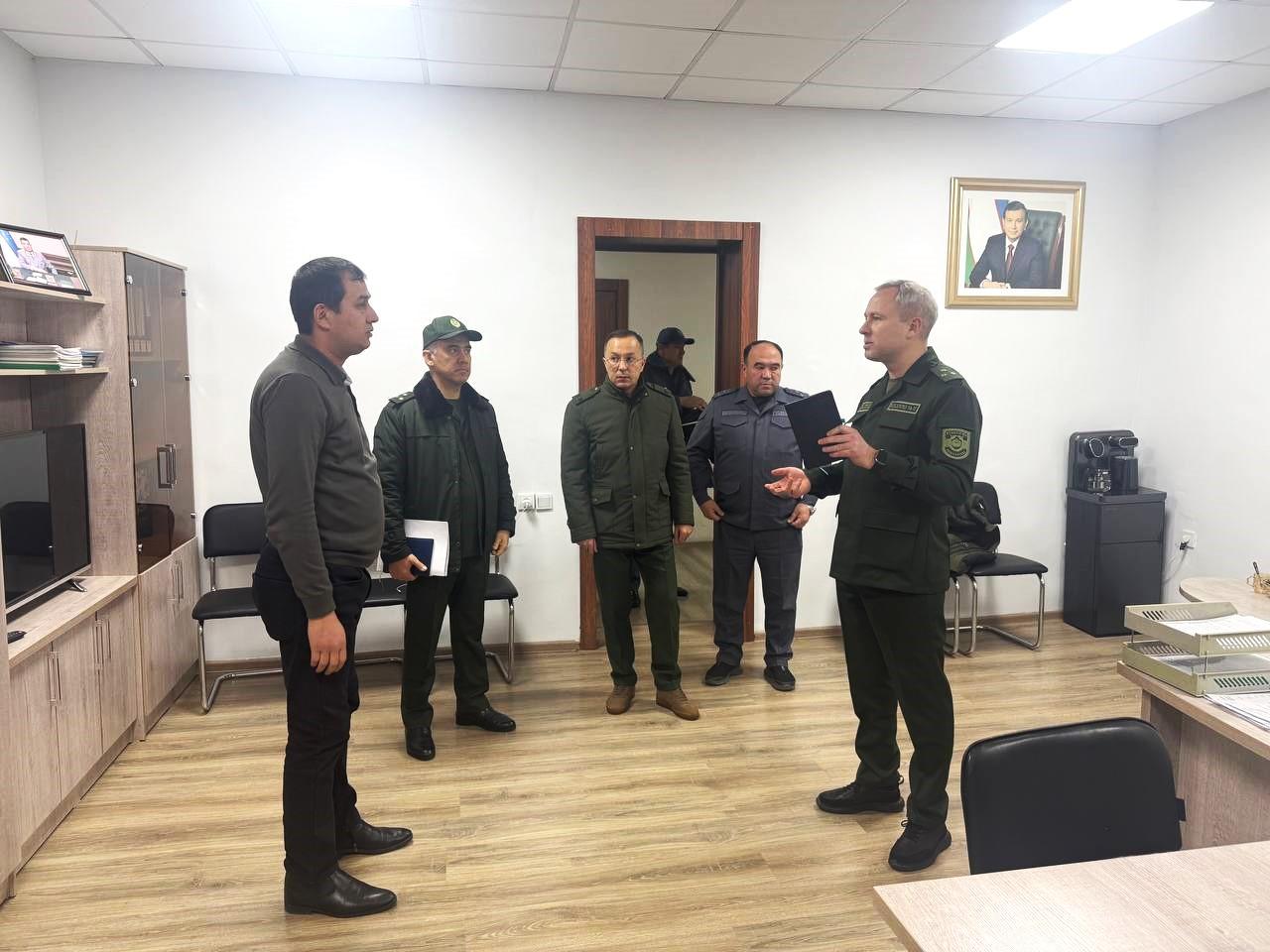
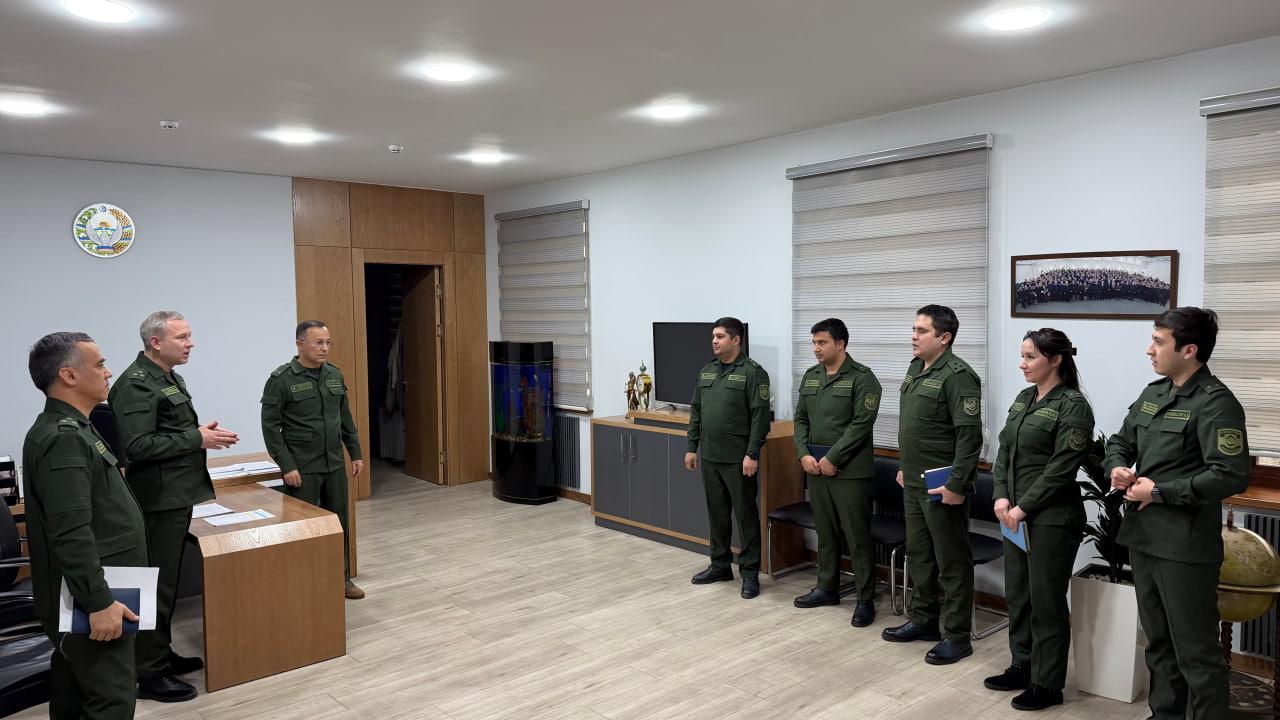
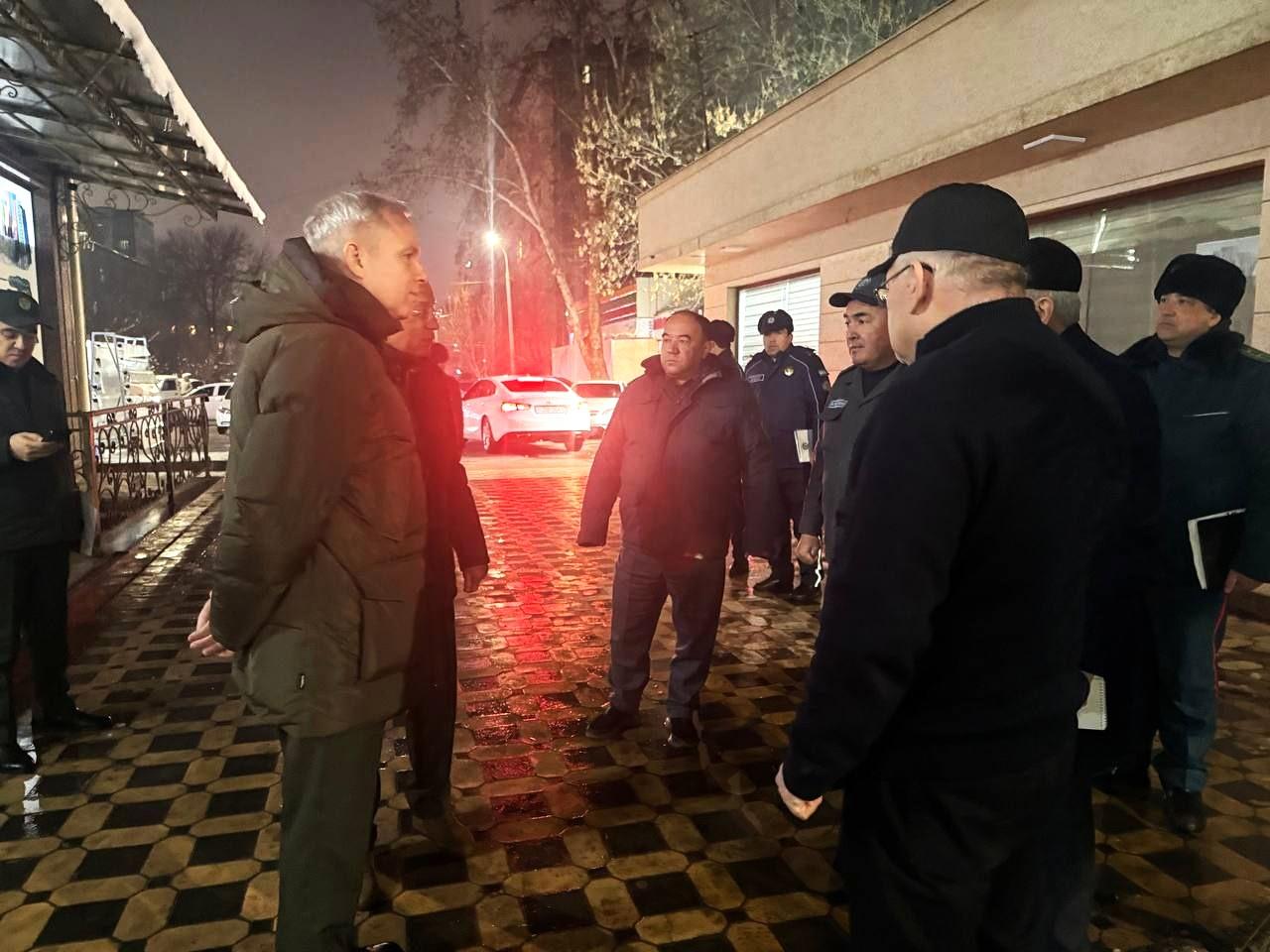
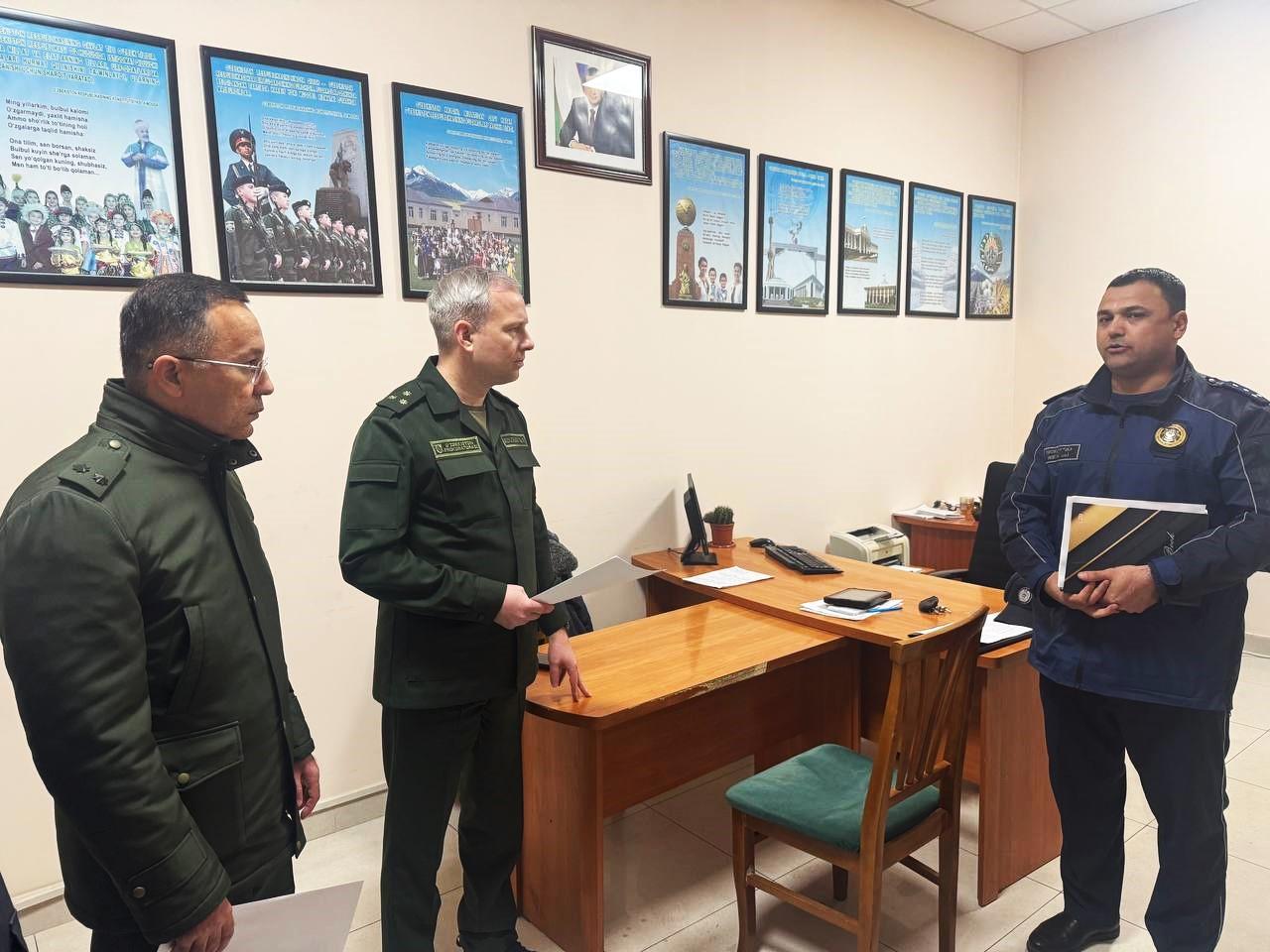
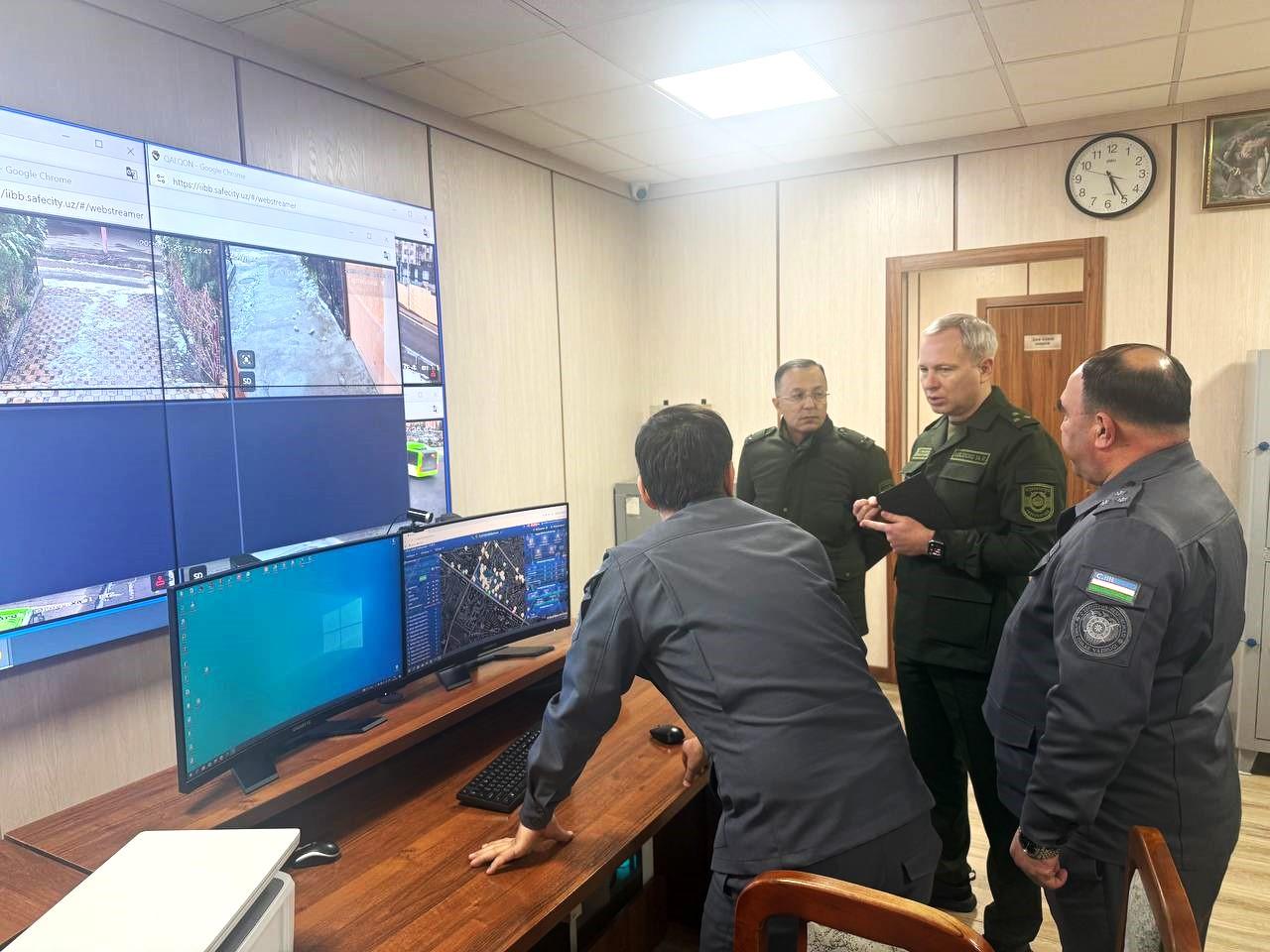
In order to ensure the implementation of the resolutions of the President of the Republic of Uzbekistan dated January 5, 2026, No. PP-1 "On Additional Measures Aimed at Implementing a Unified Targeted Work System to Create a Safe Environment in Mahallas of the Republic" and No. PP-2 "On Organizational Measures to Further Increase the Effectiveness of Early Crime Prevention in Mahallas of the Republic in 2026," the Law Enforcement Academy is conducting a comprehensive study in the mahallas of the city of Tashkent.
Within the framework of this work, a working group headed by the First Deputy Head of the Academy, E. Kolenko, held meetings with employees of the Almazar District Prosecutor's Office and the Department for Coordination of the Activities of Internal Affairs Bodies of the district and, based on the principle of "scientific conclusion - practical recommendation - result," developed proposals and recommendations aimed at early prevention of offenses and improvement of the criminogenic situation in the region.
Based on the tasks set at the videoconference meeting chaired by the President of the Republic of Uzbekistan Shavkat Mirziyoyev on January 27 of this year on the formation of a safe environment and ensuring public safety in the city of Tashkent, special attention was paid to improving the quality of investigations, ensuring their transparency, effective detection of crimes, and improving tactics and strategies for combating cybercrime.
Within this framework, the processes of internships for investigators assigned to the district prosecutor's office in the Almazar district prosecutor's office, as well as the effectiveness of training prosecutors, were discussed, and proposals were made to eliminate existing shortcomings.
The activities of the duty unit in the district internal affairs bodies, the state of work with citizens' appeals and applications, were studied. In the Investigative Department, practical discussions were held with investigators on criminal cases under investigation, and specific recommendations were given on the organization of investigative actions and the execution of procedural documents. Issues of organizing the training of investigators based on a schedule were agreed upon.
In addition, requirements have been defined for improving the procedure for internships of Academy students in investigative, preventive, and public order services based on dual education.
The working group also conducted a study in a number of mahallas of the Almazar district. Based on a scientific approach, the causes and factors influencing the commission of offenses and crimes in the mahalla, the conditions creating the ground for crime, social and domestic problems, and the preventive measures being implemented were analyzed.
Also, the needs for training members of the mahalla seven in the districts were studied, and issues of organizing training sessions aimed at improving their knowledge and skills were discussed.
The proposals and recommendations developed based on the results of the studies were summarized and submitted to the responsible agencies for inclusion in future roadmaps aimed at improving the criminogenic situation in the region.
The study of the working group of the Law Enforcement Academy, aimed at creating a safe environment in mahallas and increasing the effectiveness of the system of early prevention of offenses, is consistently continuing.