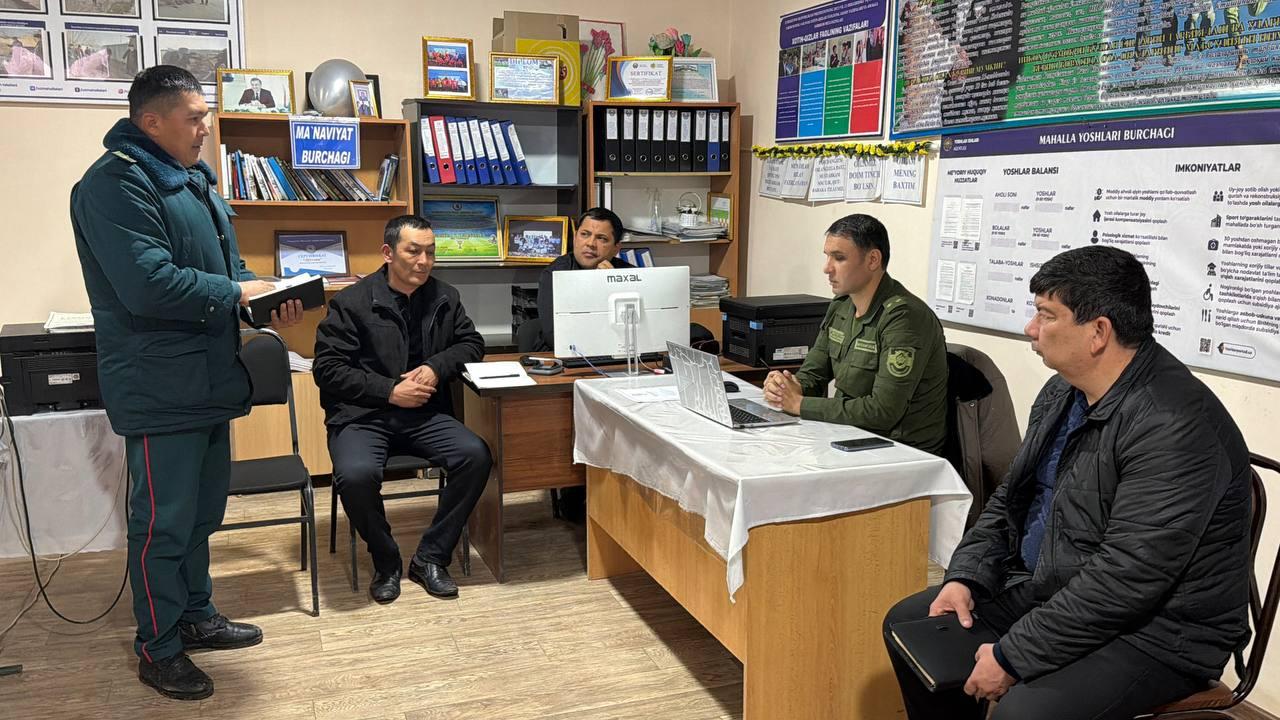
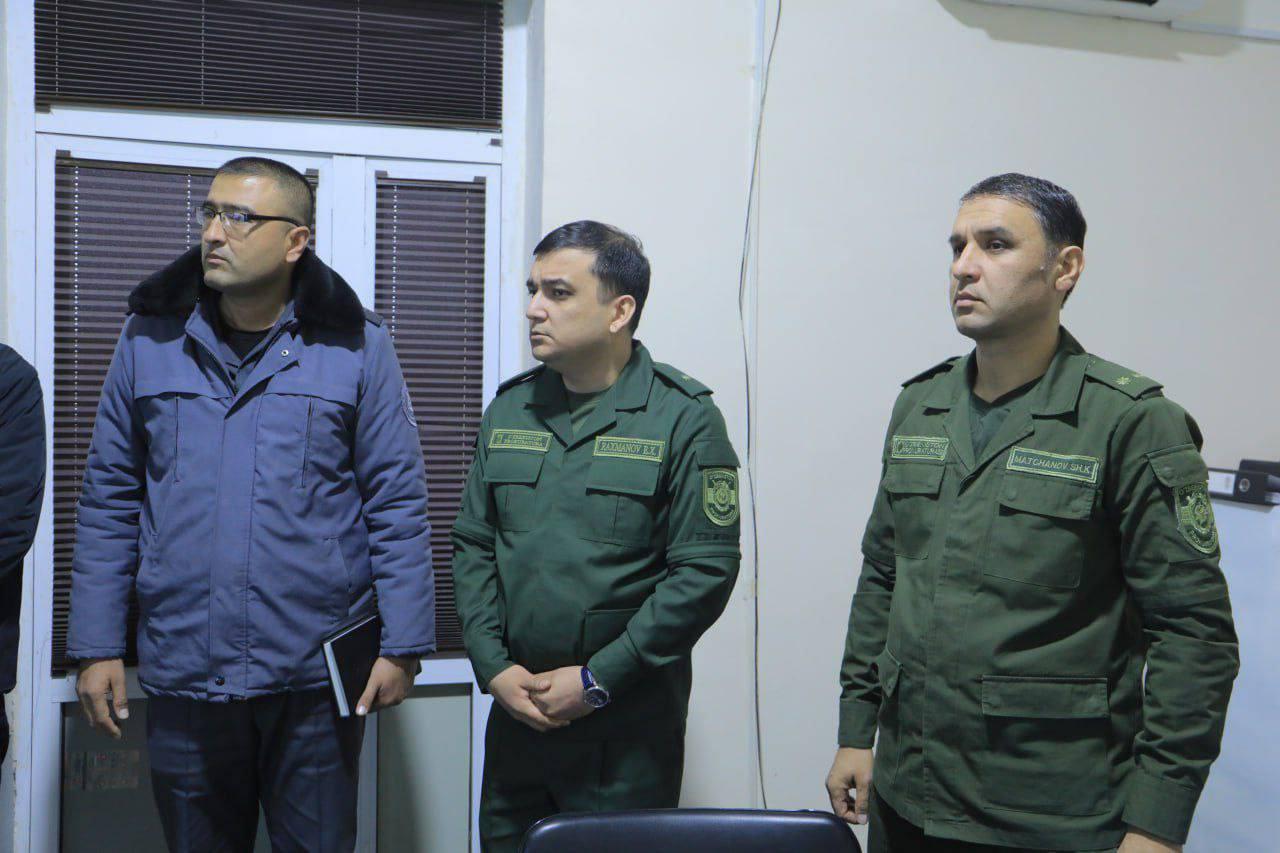
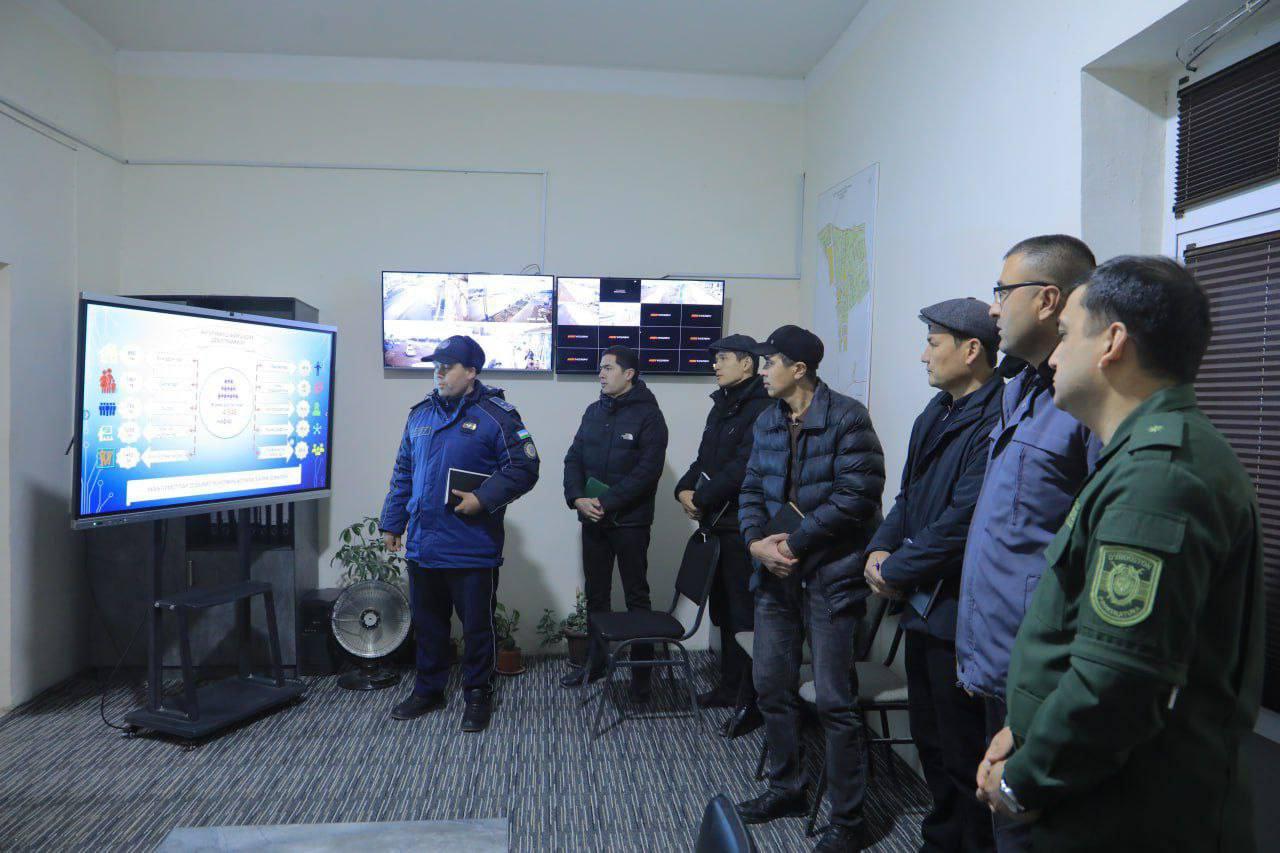
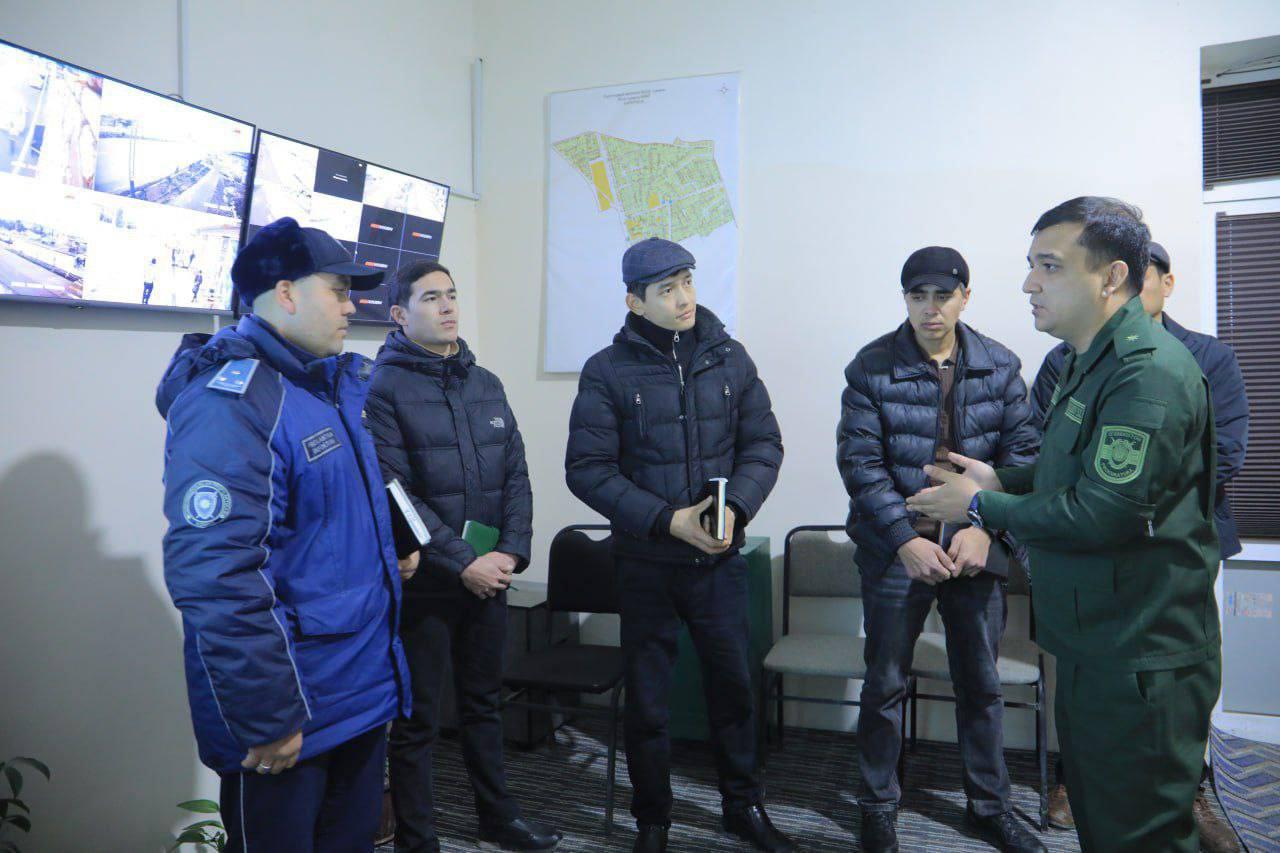
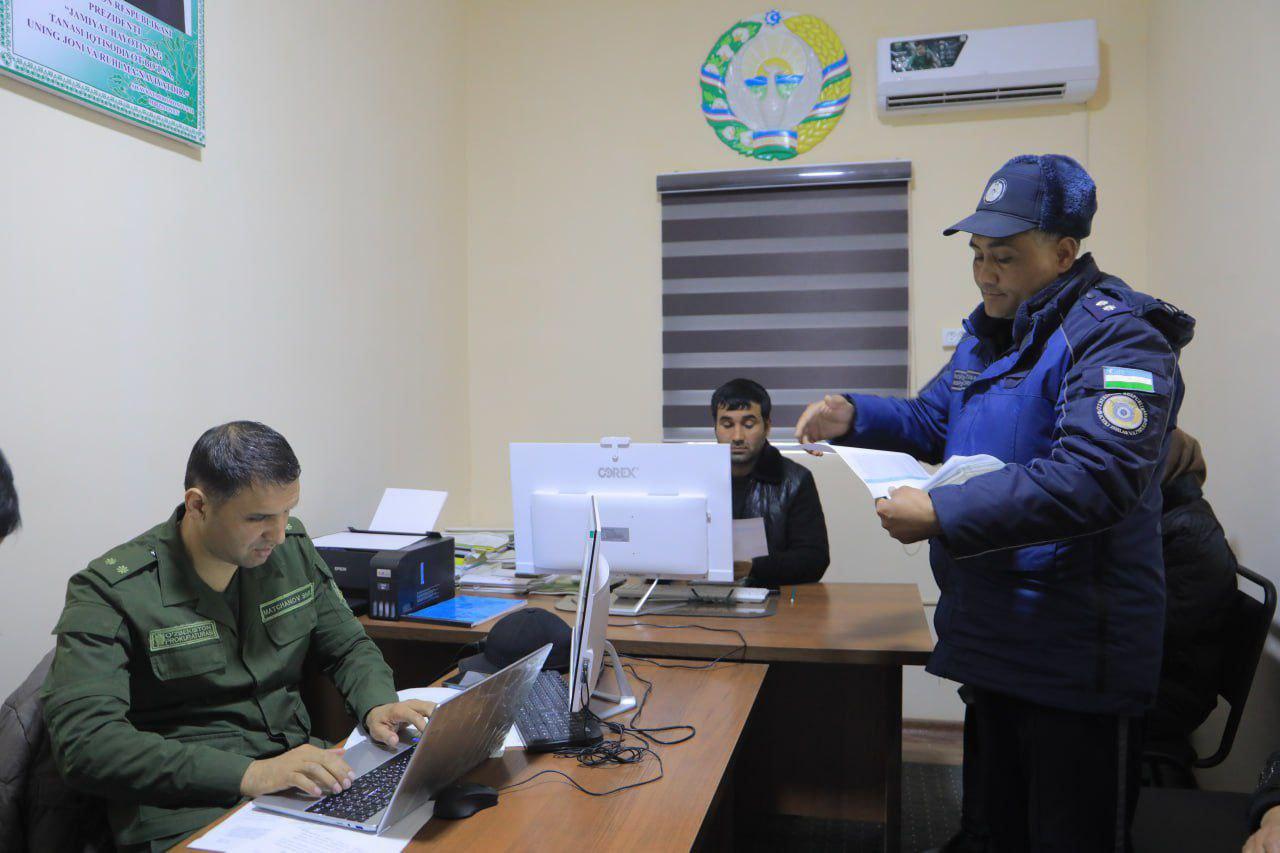
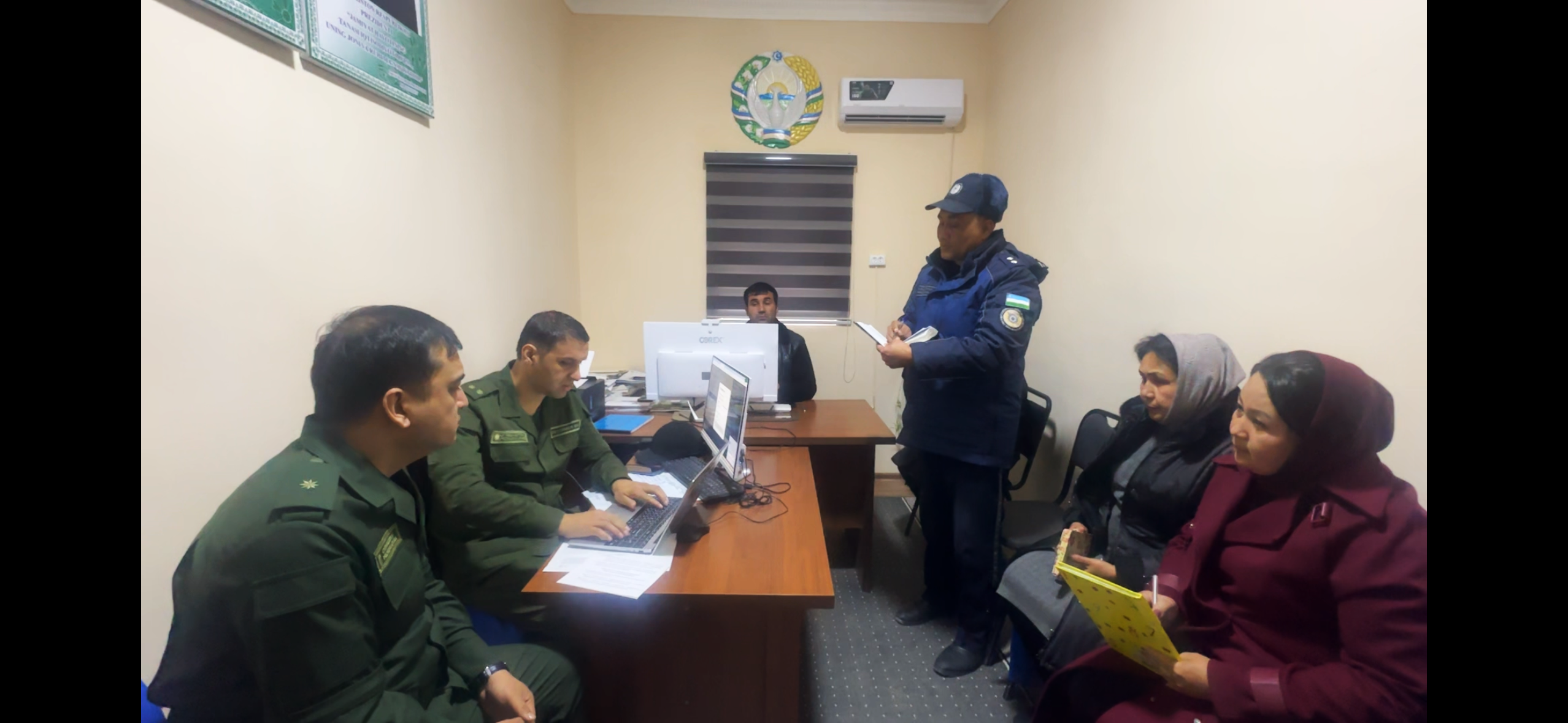
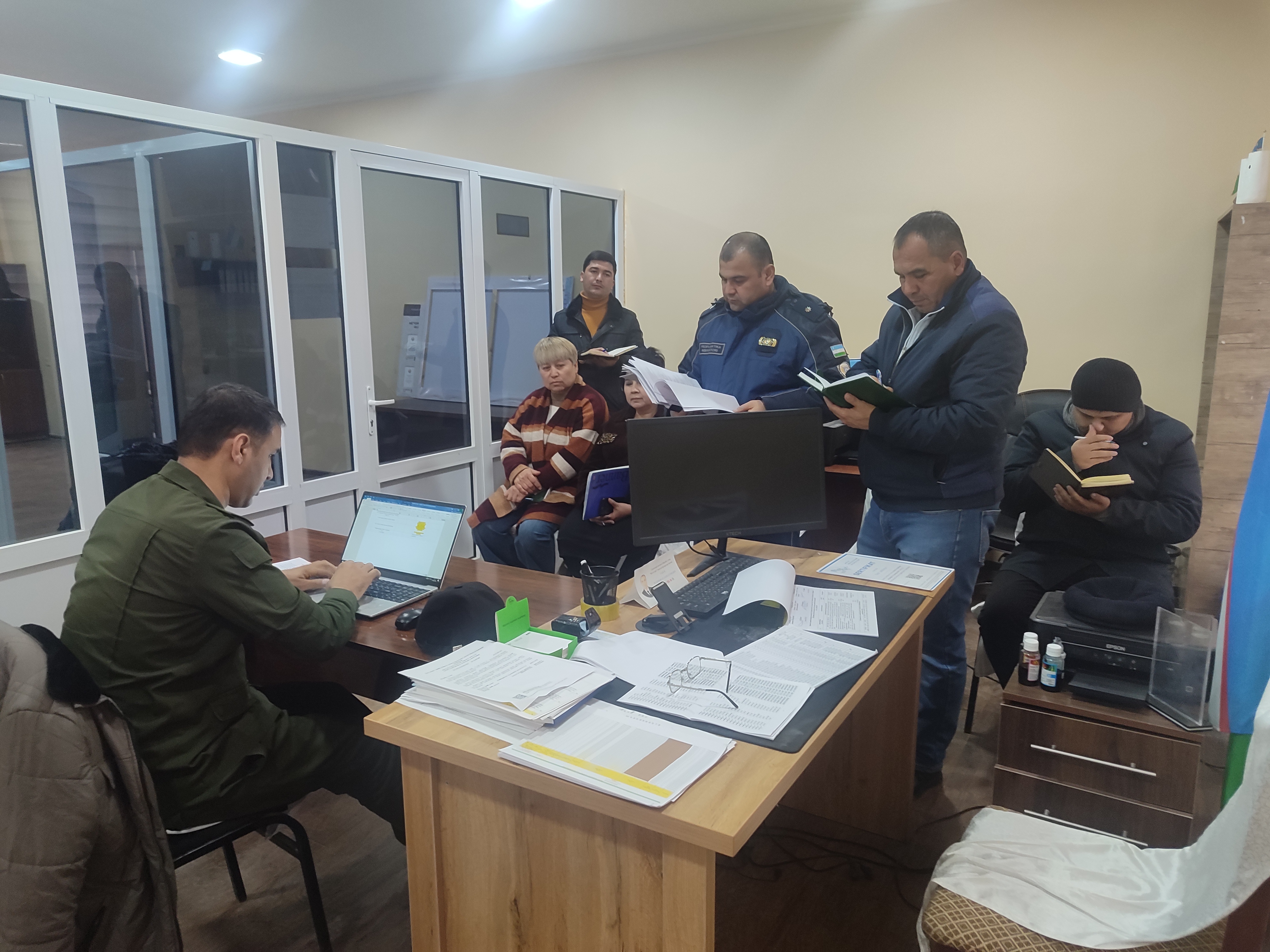
In order to ensure the implementation of the resolutions of the President of the Republic of Uzbekistan dated January 5, 2026, No. PP-1 "On Additional Measures Aimed at Implementing a Unified Targeted Work System in the Direction of Creating a Safe Environment in Mahallas of the Republic" and No. PP-2 "On Organizational Measures to Further Increase the Effectiveness of Early Crime Prevention in Mahallas of the Republic in 2026," the working group of the Academy, based on the principle of "scientific conclusion - recommendation - result," visits the regions and comprehensively studies the criminogenic situation in mahallas.
In particular, members of the working group visited 12 mahallas located in the Shurchi, Sherabad, Denau, Angor, Muzrabad, Sariosiyo, Kumkurgan, and Kizirik districts of Surkhandarya region, which have remained in the "red" category for the past three years, and studied issues of timely detection and prevention of offenses and crimes based on scientific approaches.
The causes and factors influencing the criminogenic situation in these mahallas, the conditions contributing to the commission of crimes, as well as existing social and domestic problems and ongoing preventive work, were thoroughly analyzed.
Based on practical examples, issues of creating a safe environment in mahallas, eliminating shortcomings in the organization of daily and other short-term measures aimed at preventing offenses and crime, and effectively organizing work were explained.
Based on the results of the study, taking into account the specifics of each mahalla, scientifically substantiated proposals and recommendations were developed for strengthening control measures in order to prevent offenses in crowded places (markets, trade and catering facilities, etc.), organizing general preventive measures aimed at encouraging the population not to be indifferent to their property, explaining the legal consequences of committing offenses through field trials, implementing victimological preventive measures against persons who have committed offenses, as well as regularly raising the legal awareness and culture of the population in order to reduce the likelihood of becoming victims of cybercrime and fraud.
These proposals and recommendations were summarized and submitted to the responsible agencies for inclusion in future roadmaps aimed at improving the criminogenic situation.
The conclusions and proposals developed by the Academy's specialists based on the daily analysis of the criminogenic situation in the region serve to create a safe environment in mahallas and further increase the effectiveness of the crime prevention system.