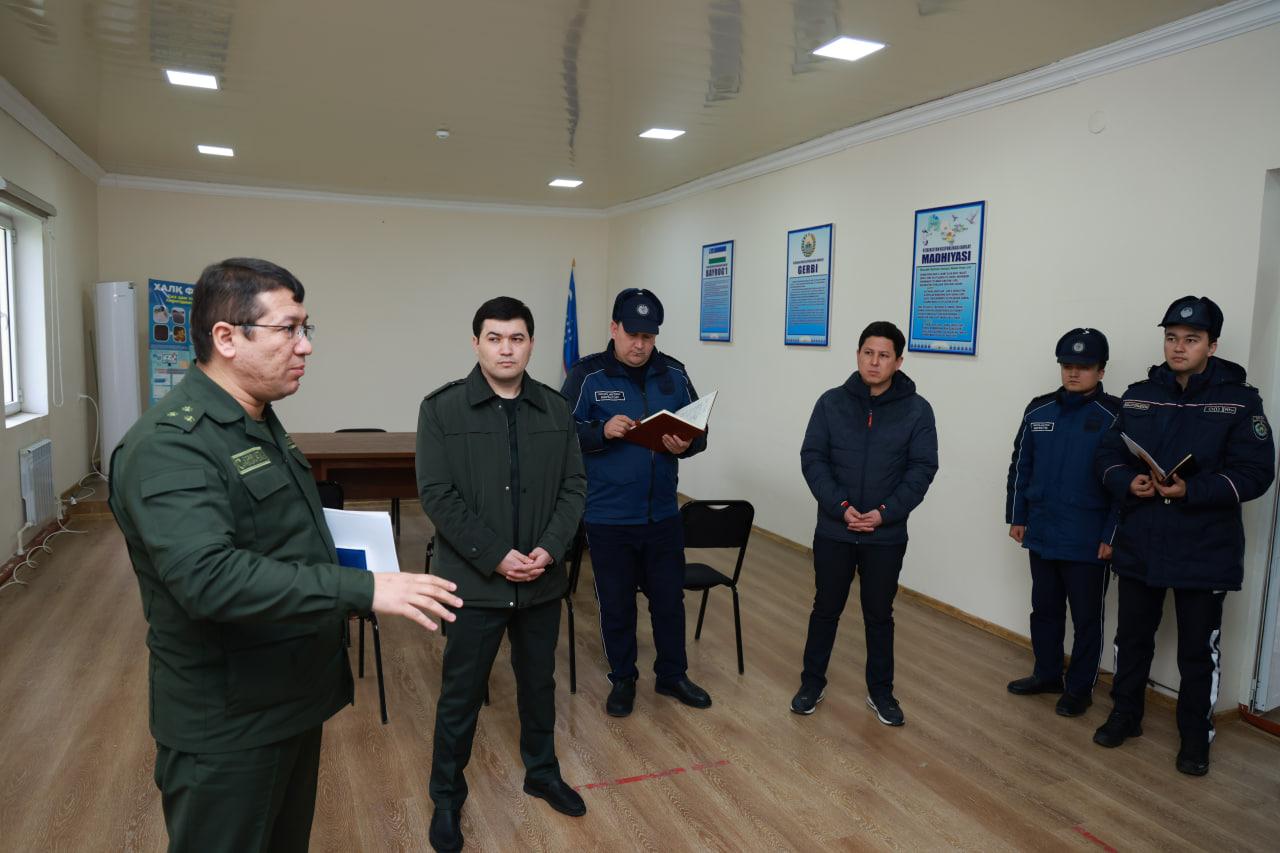
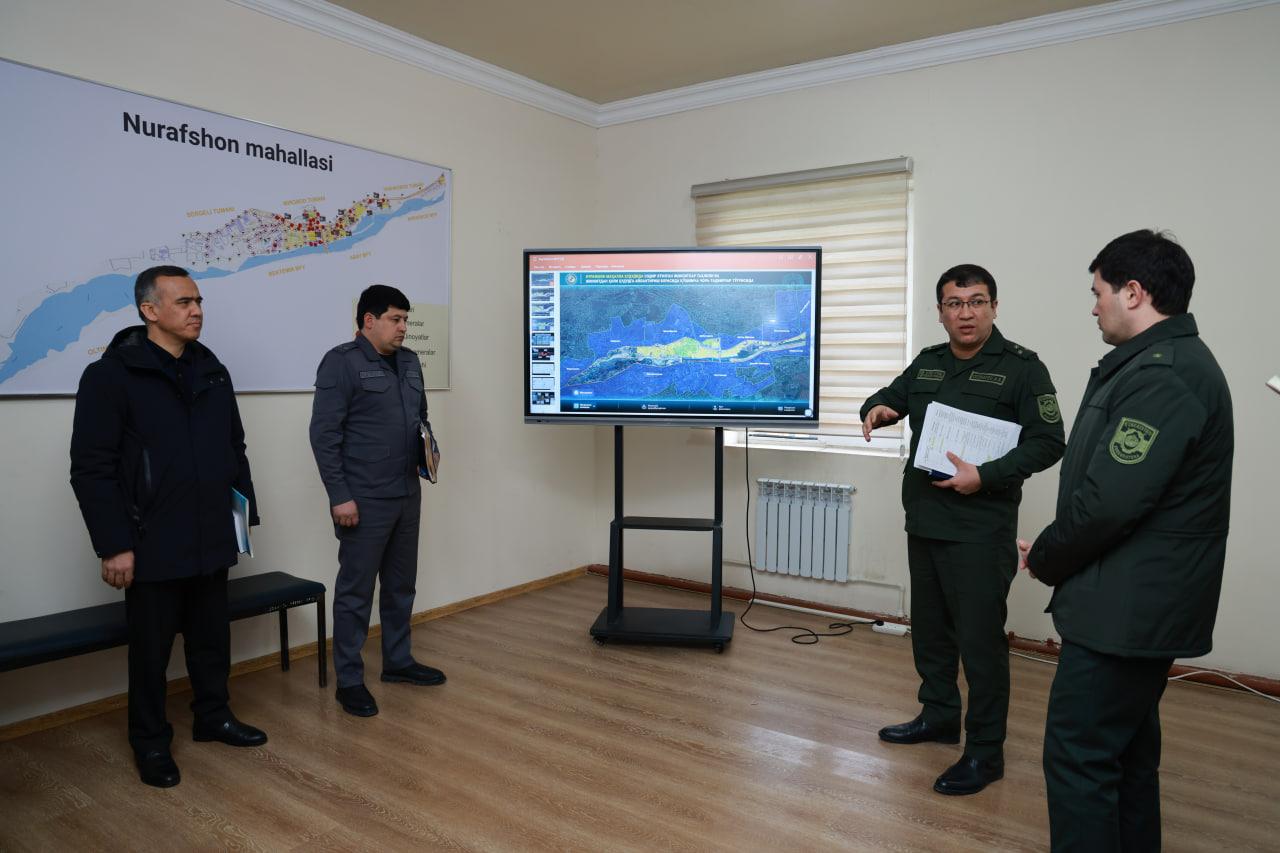
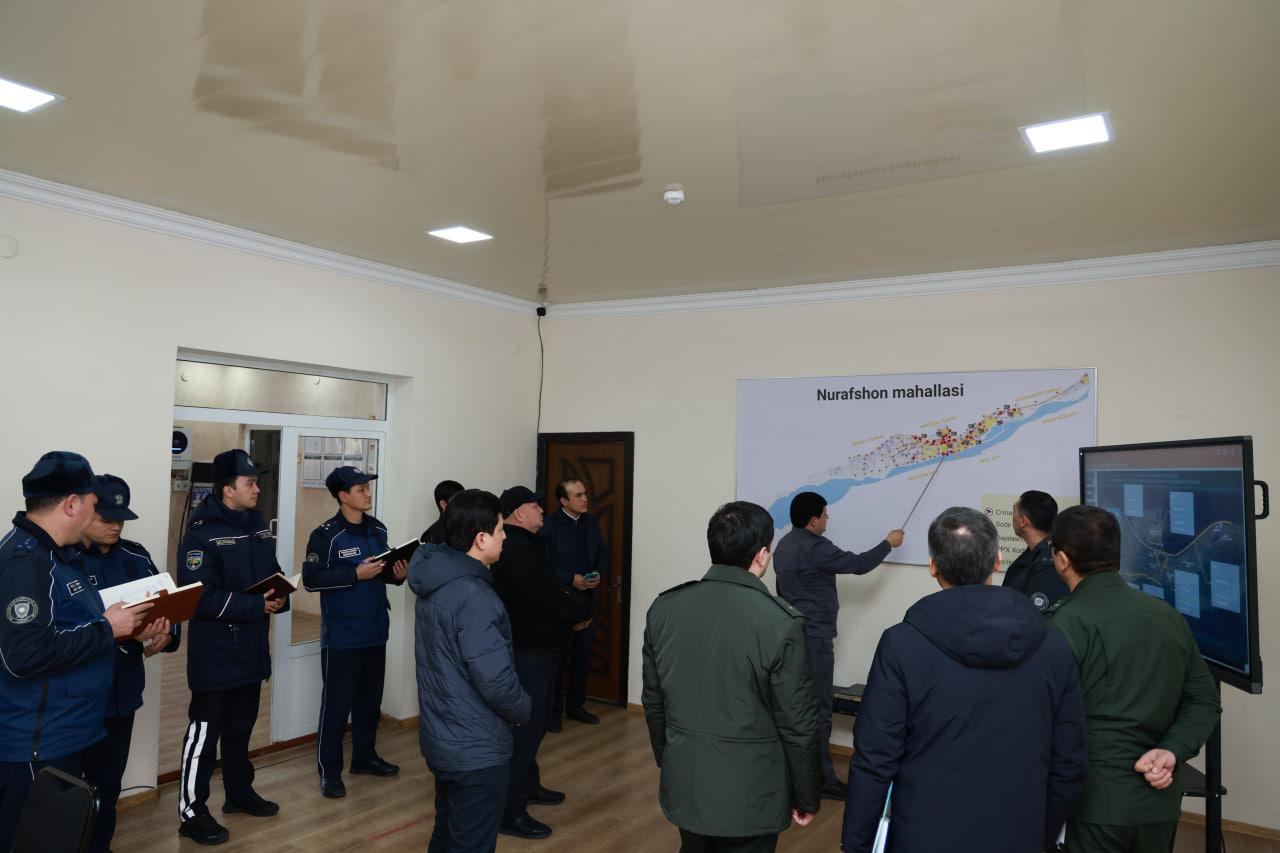
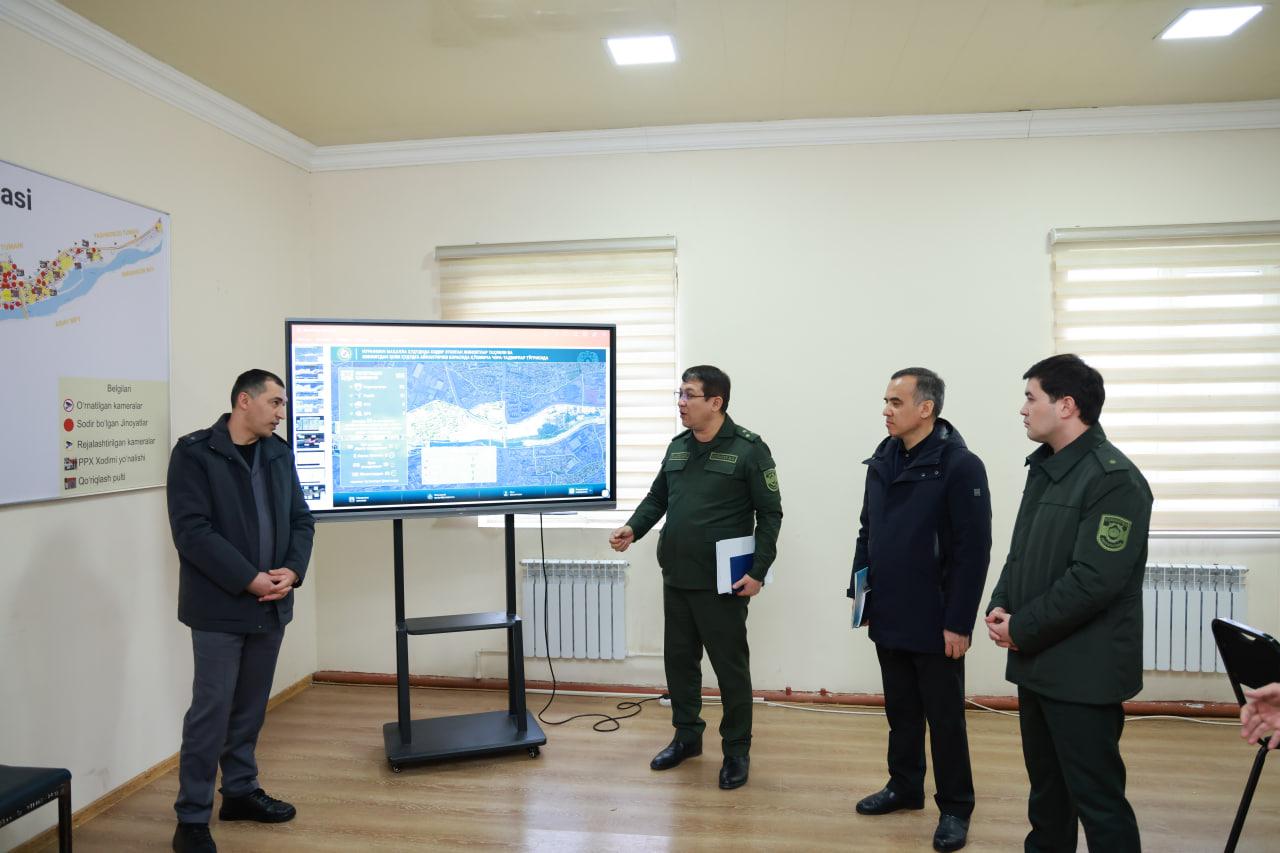
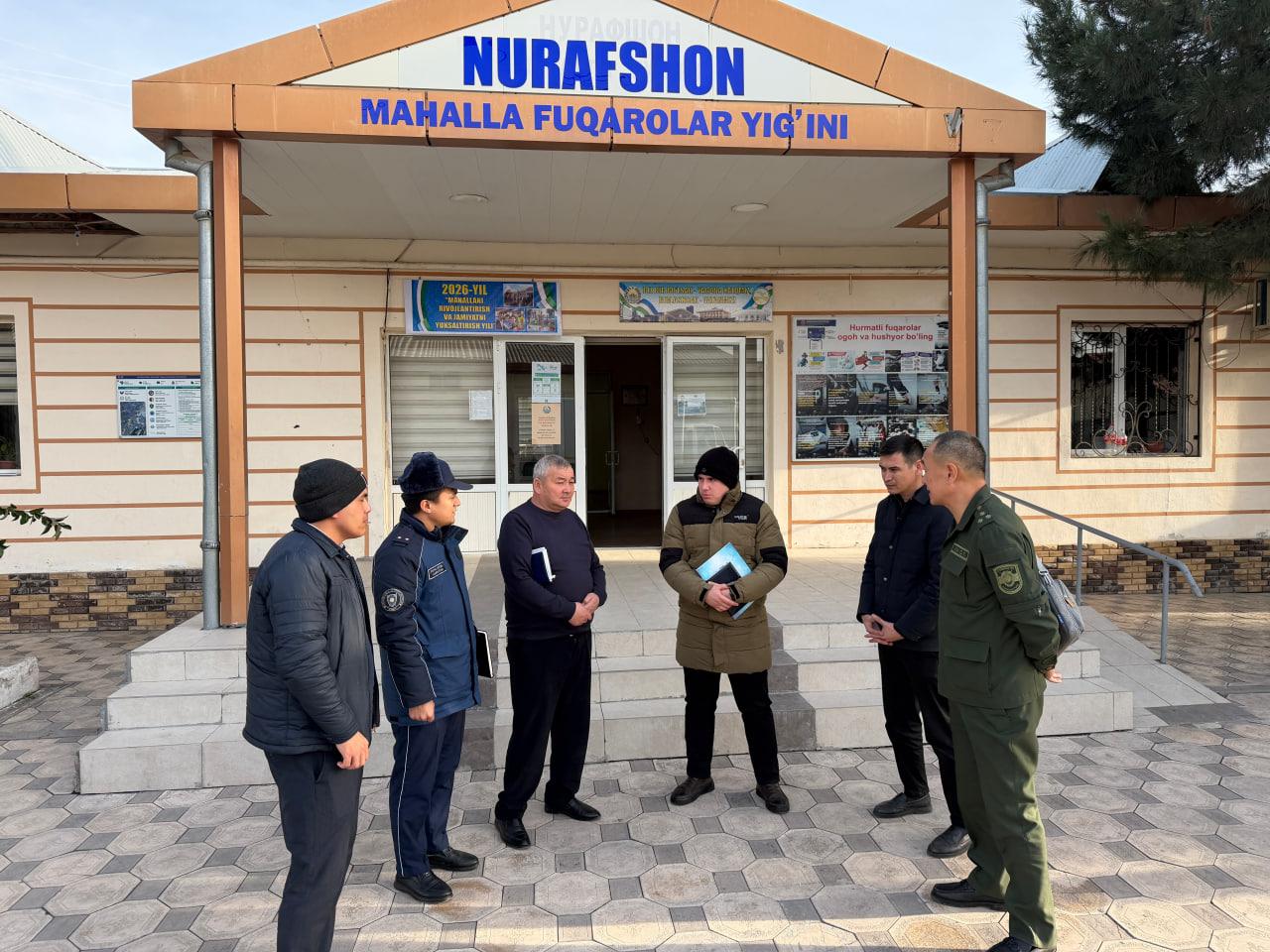
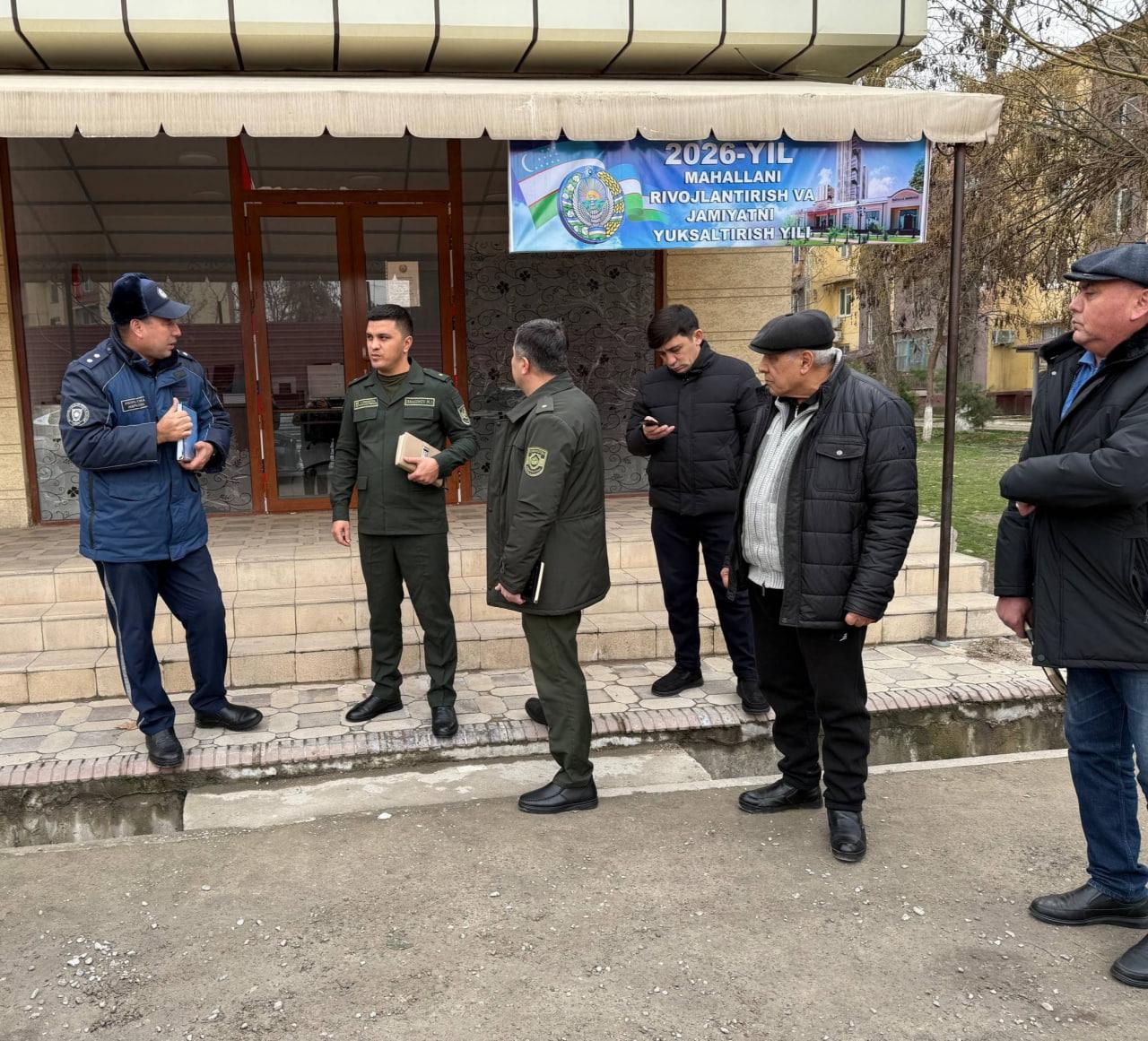
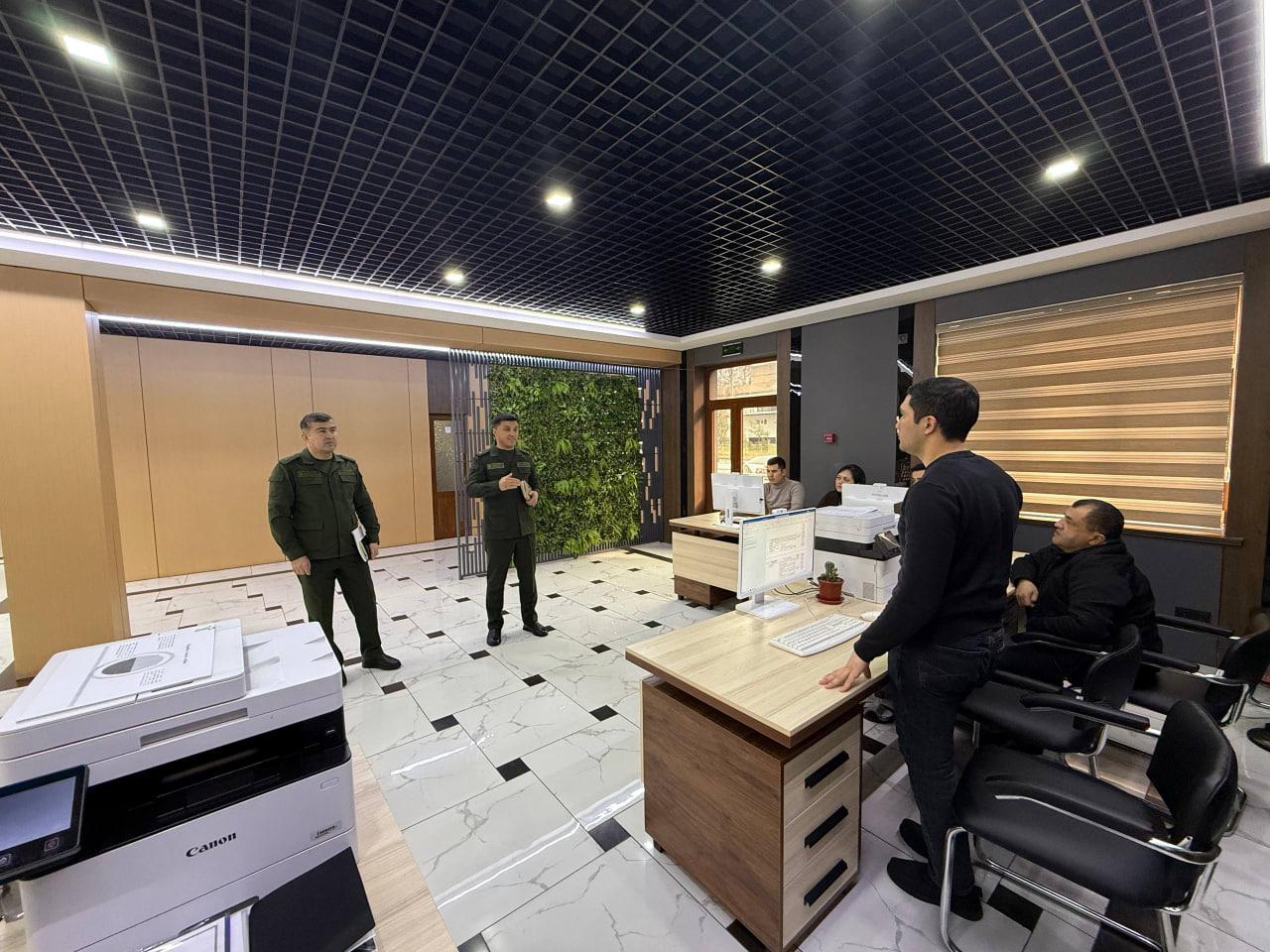
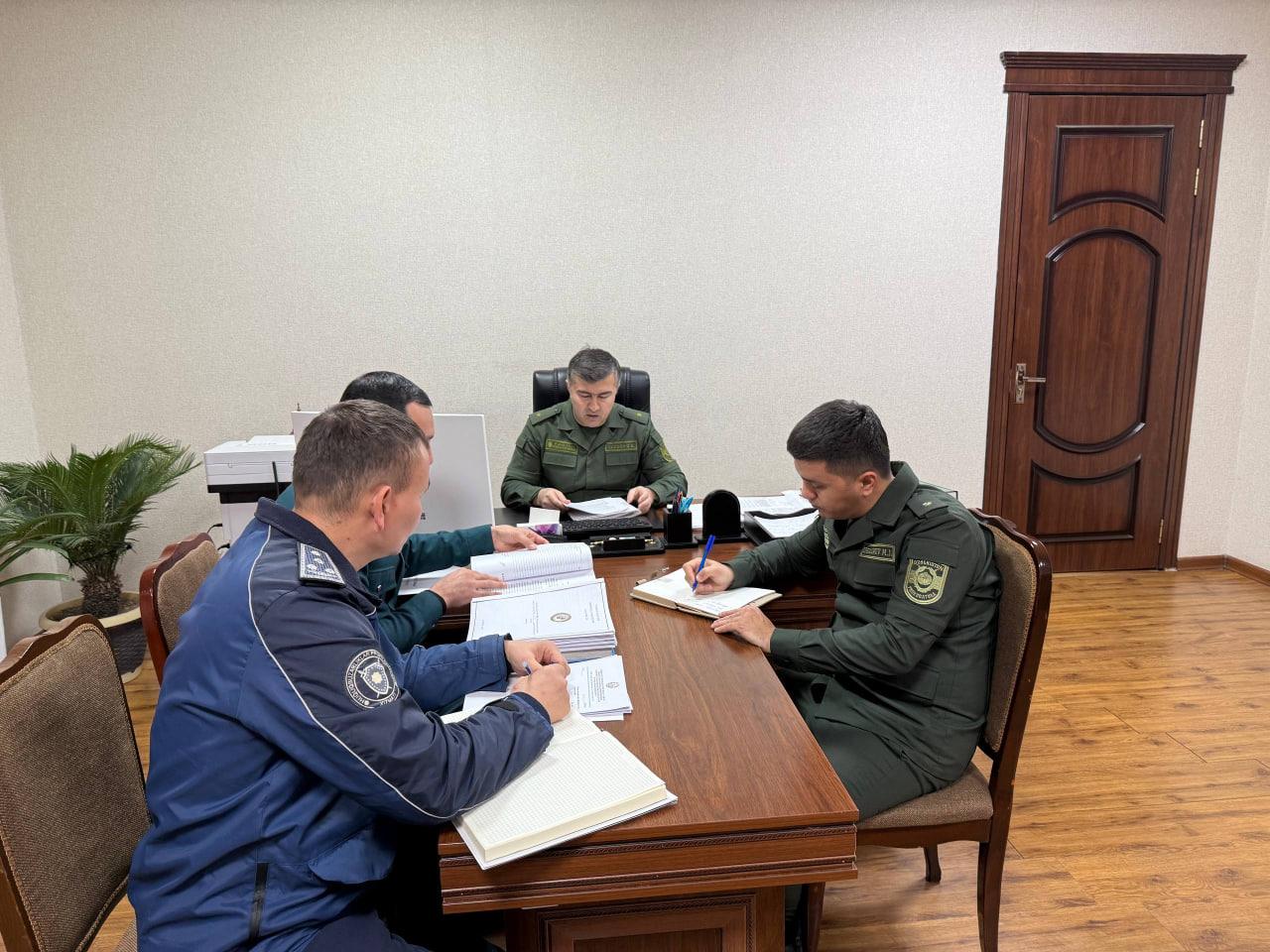
In order to ensure the implementation of the resolutions of the President of the Republic of Uzbekistan dated January 5, 2026, No. PP-1 "On Additional Measures Aimed at Implementing a Unified Targeted Work System in the Direction of Creating a Safe Environment in Mahallas of the Republic" and No. PP-2 "On Organizational Measures to Further Increase the Effectiveness of Early Crime Prevention in Mahallas of the Republic in 2026," the working group of the Academy, based on the principle of "scientific conclusion - recommendation - result," visits the regions and comprehensively studies the criminogenic situation in mahallas.
In particular, members of the working group studied the preventive activities aimed at the early detection and prevention of offenses and crimes in the mahallas of the Yashnabad and Bektemir districts of Tashkent, as well as the work carried out by responsible persons.
In the course of the study, factors directly and indirectly affecting the criminogenic situation in mahallas, social and domestic problems contributing to the commission of offenses and crimes, as well as the effectiveness of the activities of prevention entities, were analyzed.
Also, shortcomings were identified in the process of organizing daily and planned preventive measures aimed at ensuring a safe environment in mahallas, preventing offenses and crime, and specific legal mechanisms and practical recommendations for their elimination were developed.
Based on the results of the study, taking into account the specifics of each mahalla, scientifically based proposals and recommendations were formed in the following areas:
strengthening control and preventive measures in crowded places (markets, retail outlets, and public catering establishments);
expansion of the scale of general preventive work aimed at forming a conscious attitude of the population towards property rights;
explanation to the population of the legal consequences of committing an offense through field court sessions;
application of victimological preventive measures against persons who have committed offenses;
consistent raising of legal awareness and legal culture of the population in order to reduce the risk of becoming victims of the most active types of crimes, such as cybercrime and fraud.
These proposals and recommendations were summarized and submitted to the relevant authorities for inclusion in future roadmaps aimed at stabilizing the criminogenic situation and ensuring a safe environment in mahallas.
Scientific conclusions and practical recommendations developed by Academy specialists based on daily and systematic analysis of the criminogenic situation in mahallas serve to prevent offenses on the ground, create a safe environment in mahallas, and increase the level of legal protection of the population.