

In combating crime, including its organized forms, the deprivation of criminals of illegally obtained and legalized income is an effective tool in advanced foreign practice.
In this regard, the Law Enforcement Academy systematically conducts activities aimed at increasing the potential of the national system for combating the legalization of criminal proceeds, increasing the expertise of employees of operational-search bodies, investigators, supervisory prosecutors, and judges in criminal cases of this category.
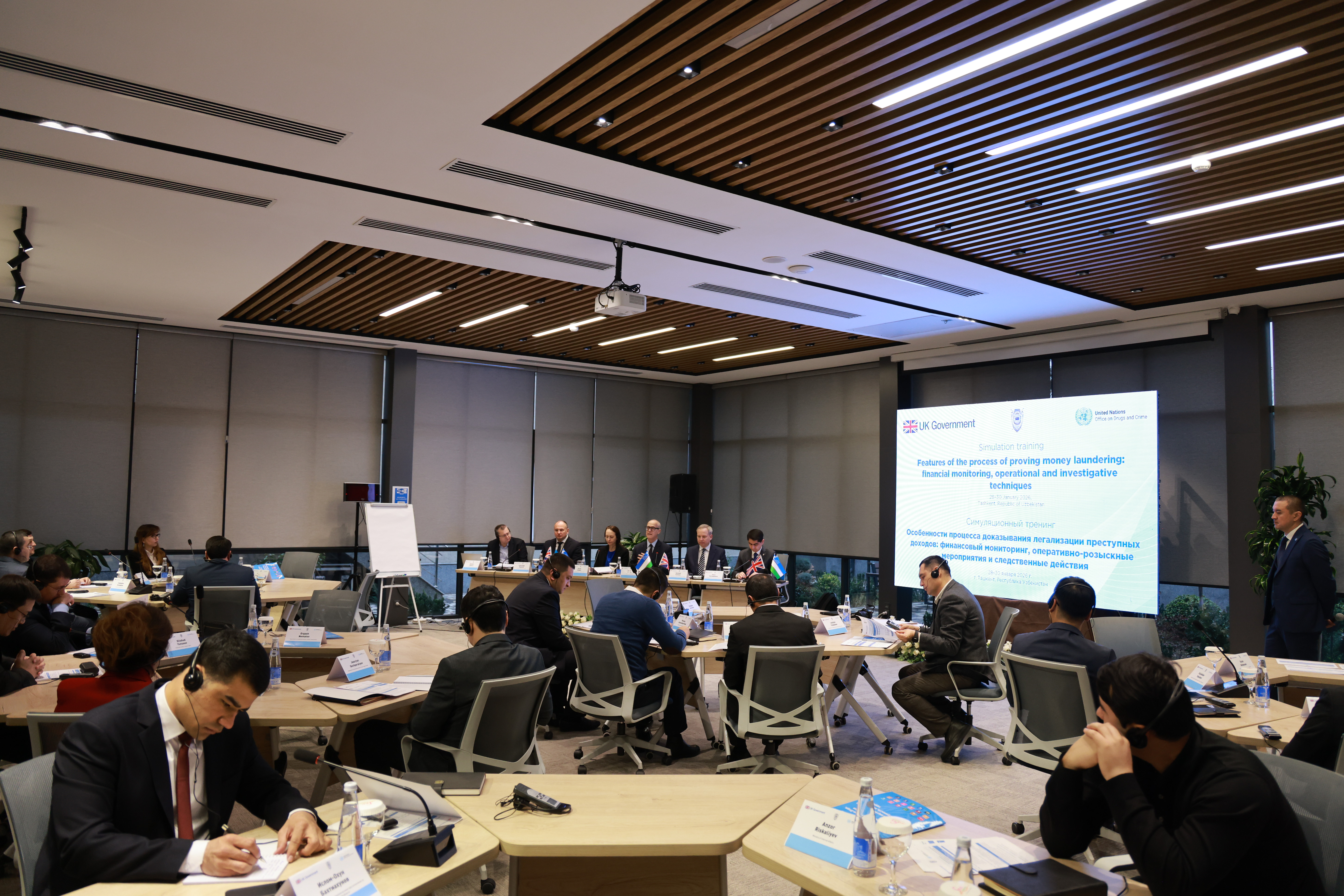
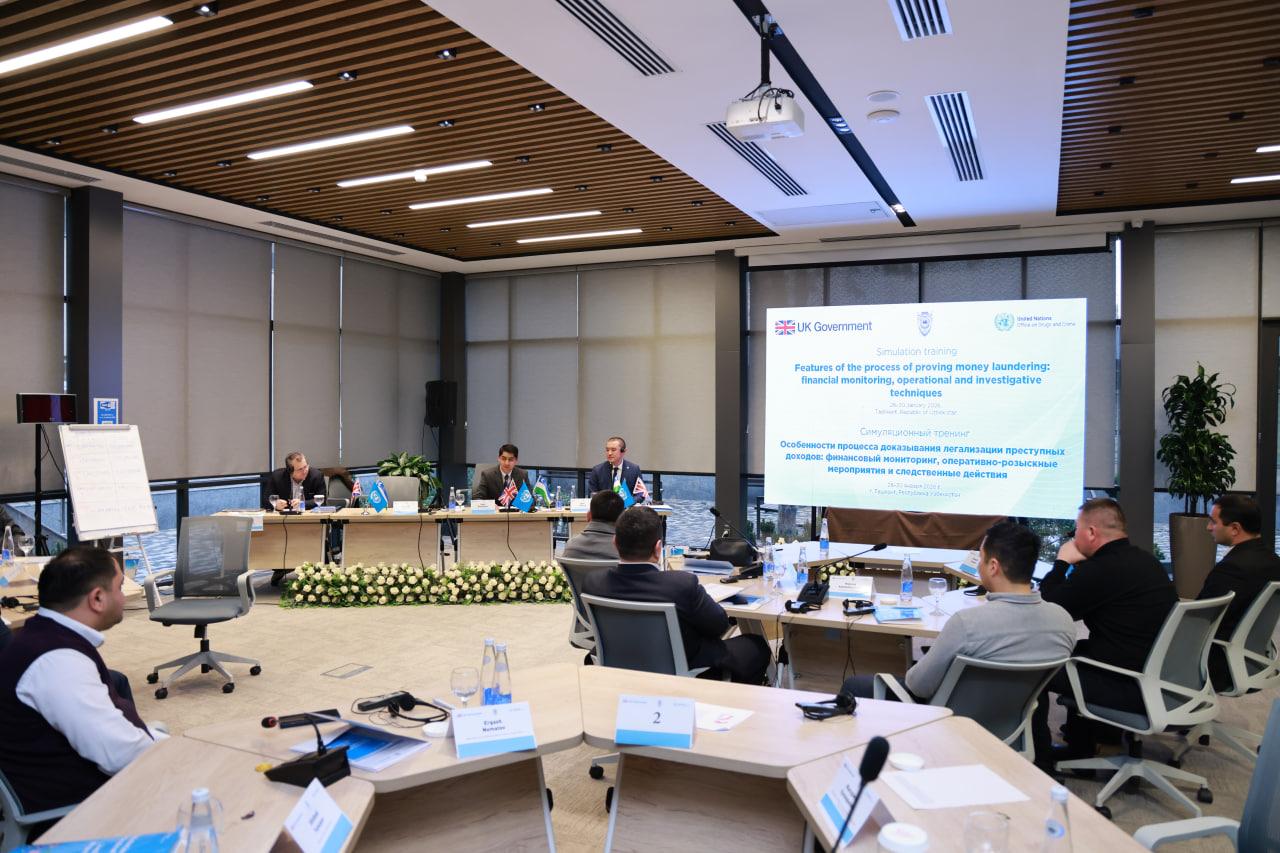
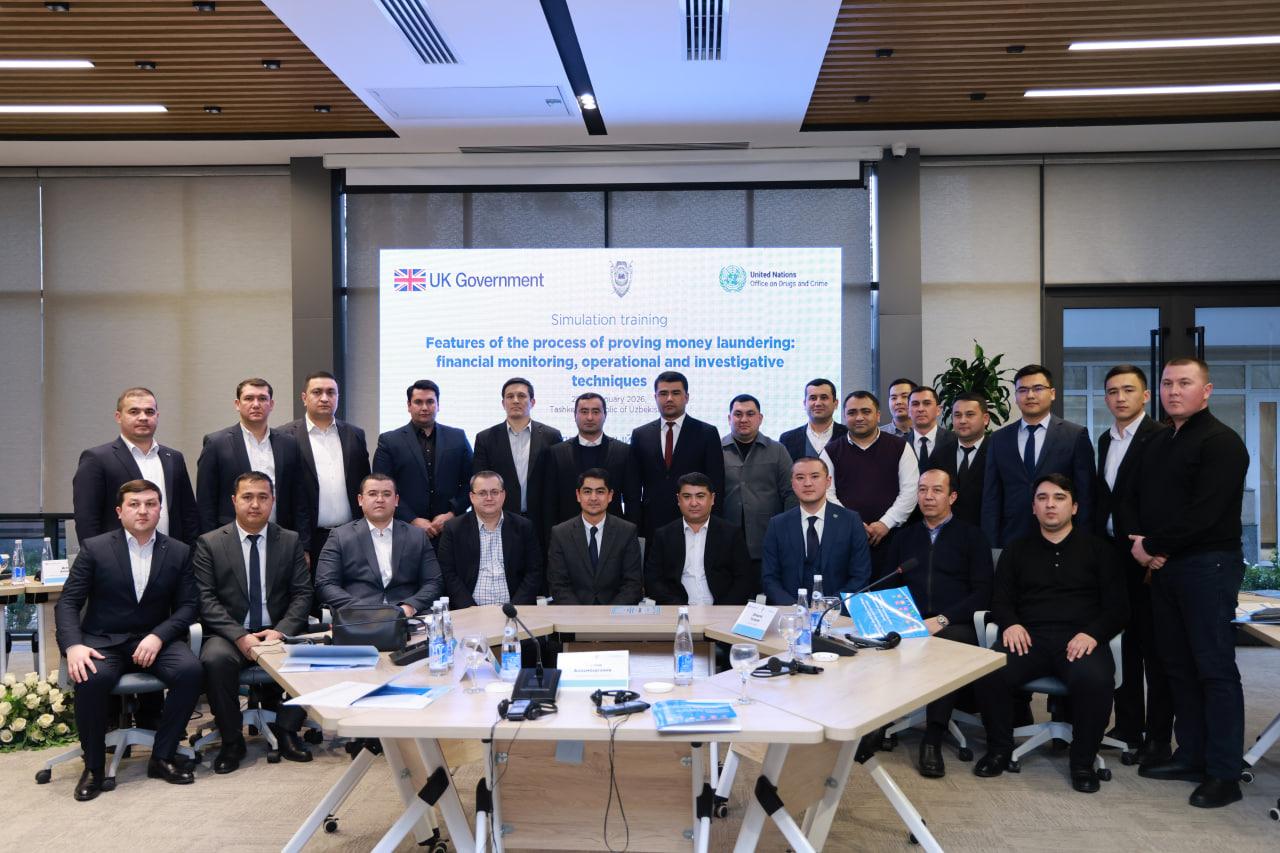
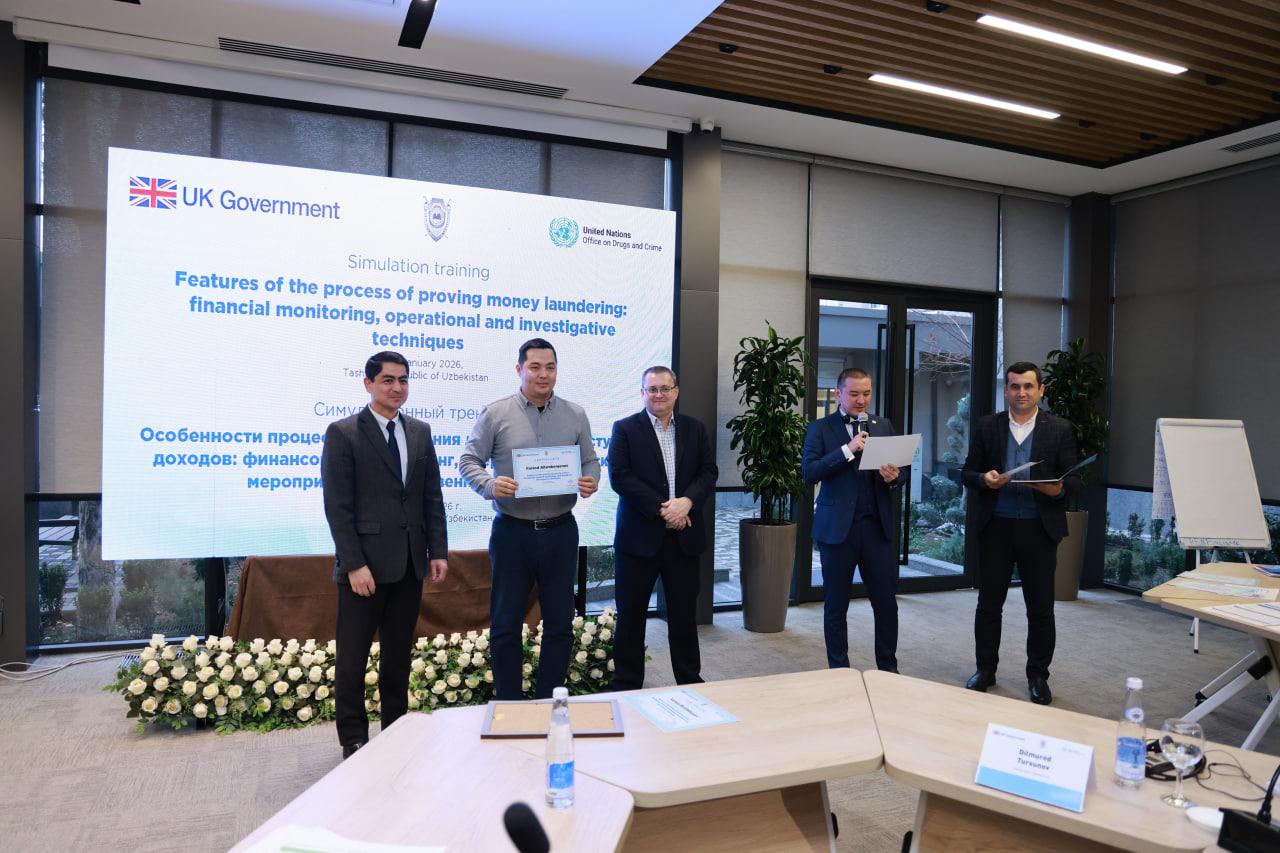
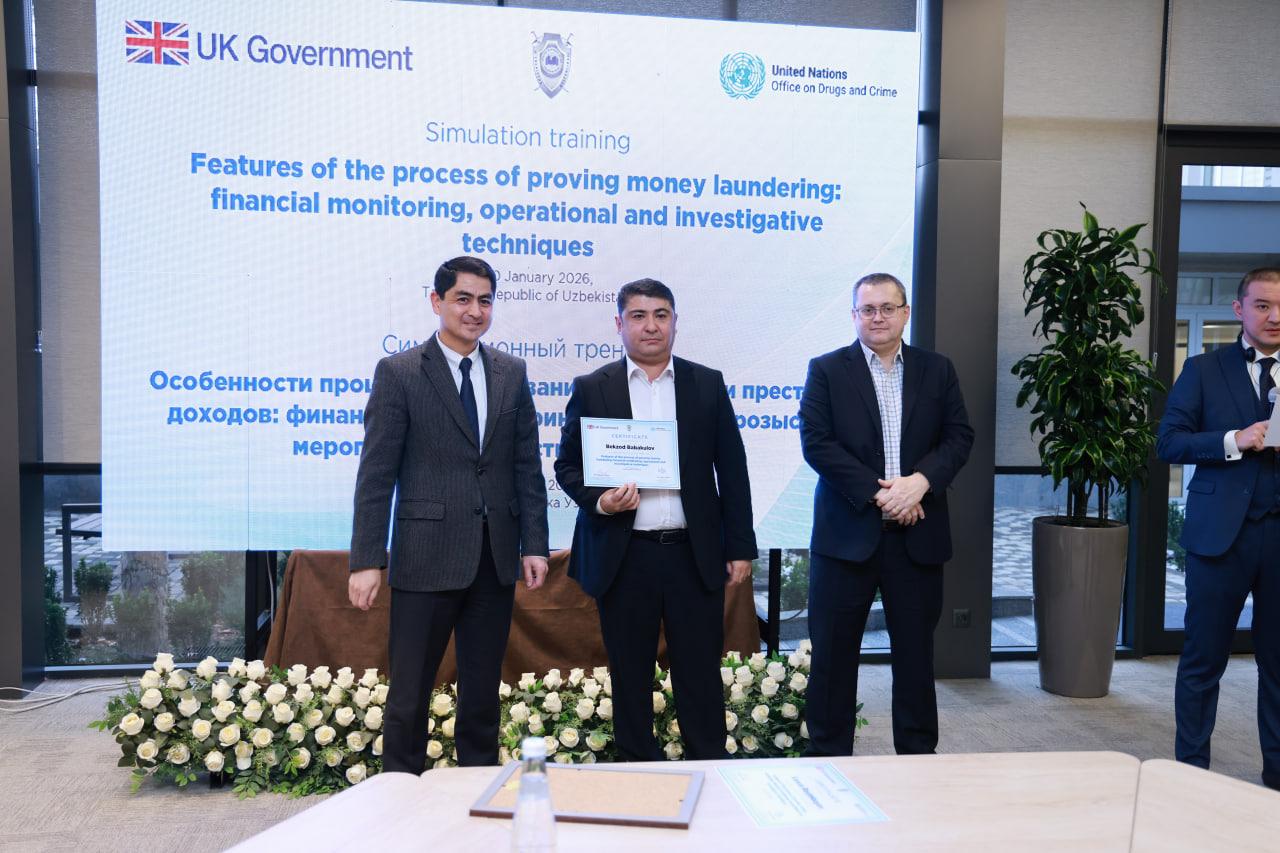
One such event was a three-day simulation training held at the Academy on the topic "Financial investigation, operational-search activities and investigative actions in proving the crime of money laundering."
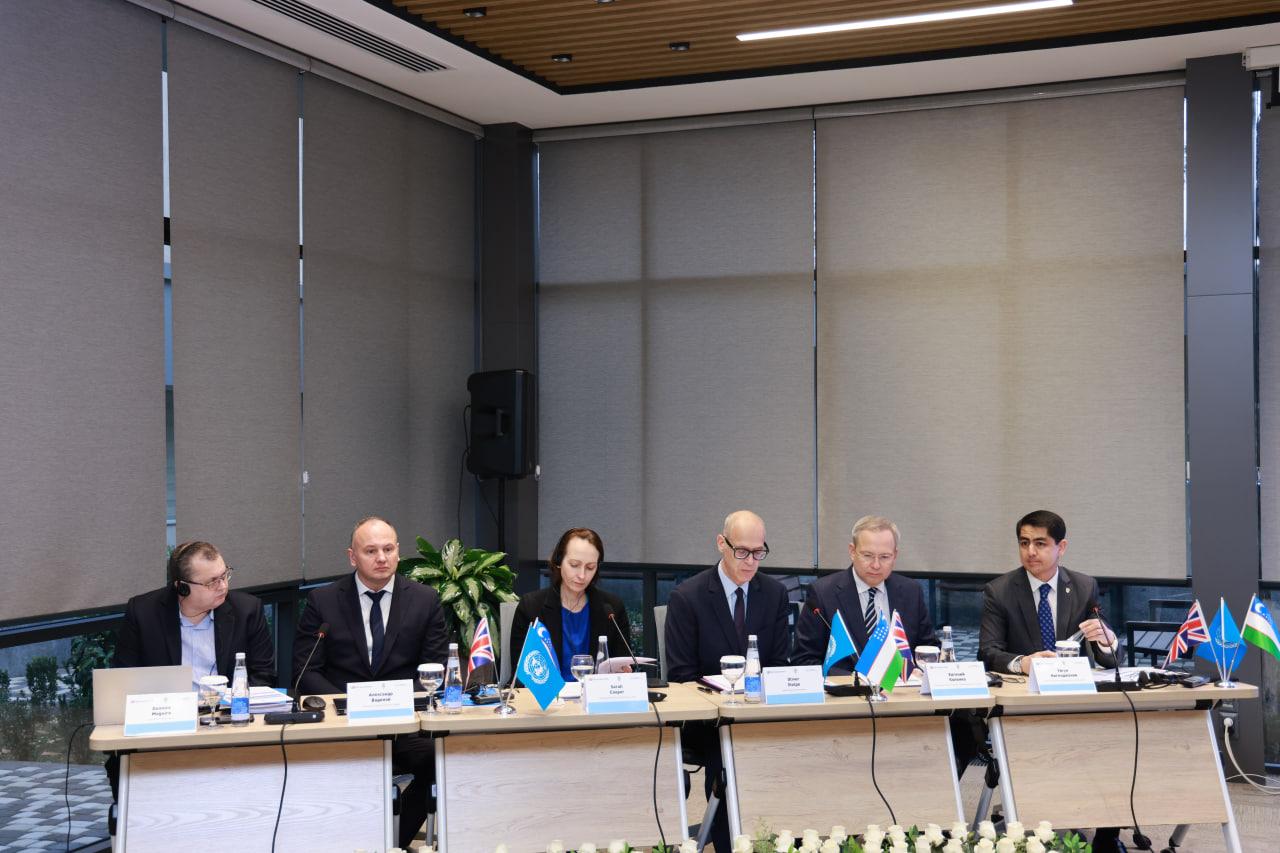
The training was organized by the Department for Combating Economic Crimes under the Prosecutor General's Office, the regional office of the UN Office on Drugs and Crime, and the Embassy of Great Britain in Uzbekistan.
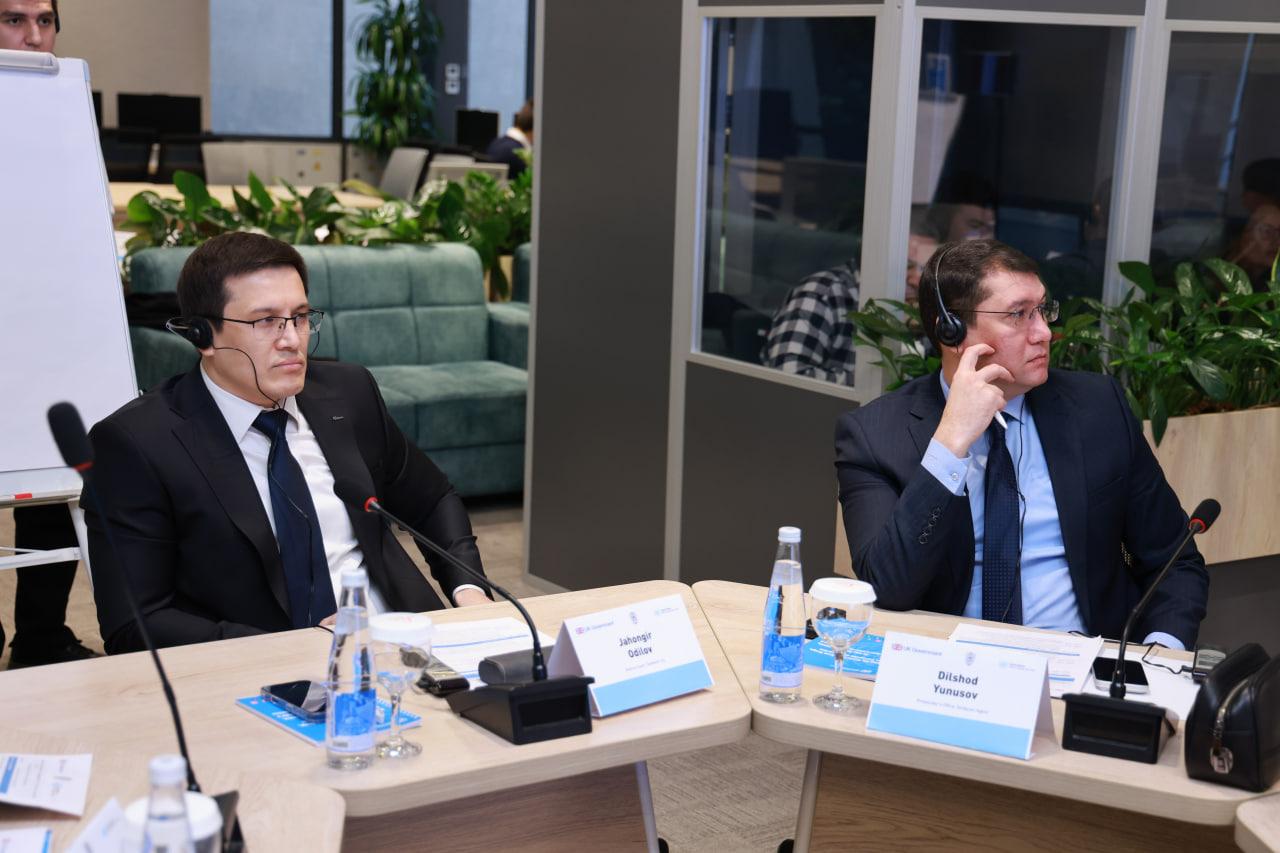
Representatives of the courts, prosecutor's offices, the Department for Combating Economic Crimes, the State Security Service, internal affairs bodies, and customs authorities took part in it.
It is noteworthy that the event was organized in conjunction with the tasks set at the videoconference meeting chaired by the President of the Republic of Uzbekistan on January 27 of this year to determine effective measures against organized crime, drug crimes, cybercrime, and the shadow economy, which directly threaten the security of the state and society.
In this regard, the international partners, who are the organizers of the event, noted that at this videoconference meeting, President Shavkat Mirziyoyev emphasized that with the growth of the standard of living and incomes of the population, criminal structures are becoming more active, forces seeking "easy money" are emerging, and new forms and methods of crime are being formed precisely in such conditions.
It was also recalled that the head of state criticized the lack of decisiveness in the activities of the responsible bodies in combating drug crime and organized criminal groups, emphasizing the need to bring the work on detecting drug trafficking to their final sources and financiers. In addition, attention was paid to the importance of establishing strict and systematic control in such priority areas as combating organized crime, illicit drug trafficking, cybercrime, and the shadow economy.
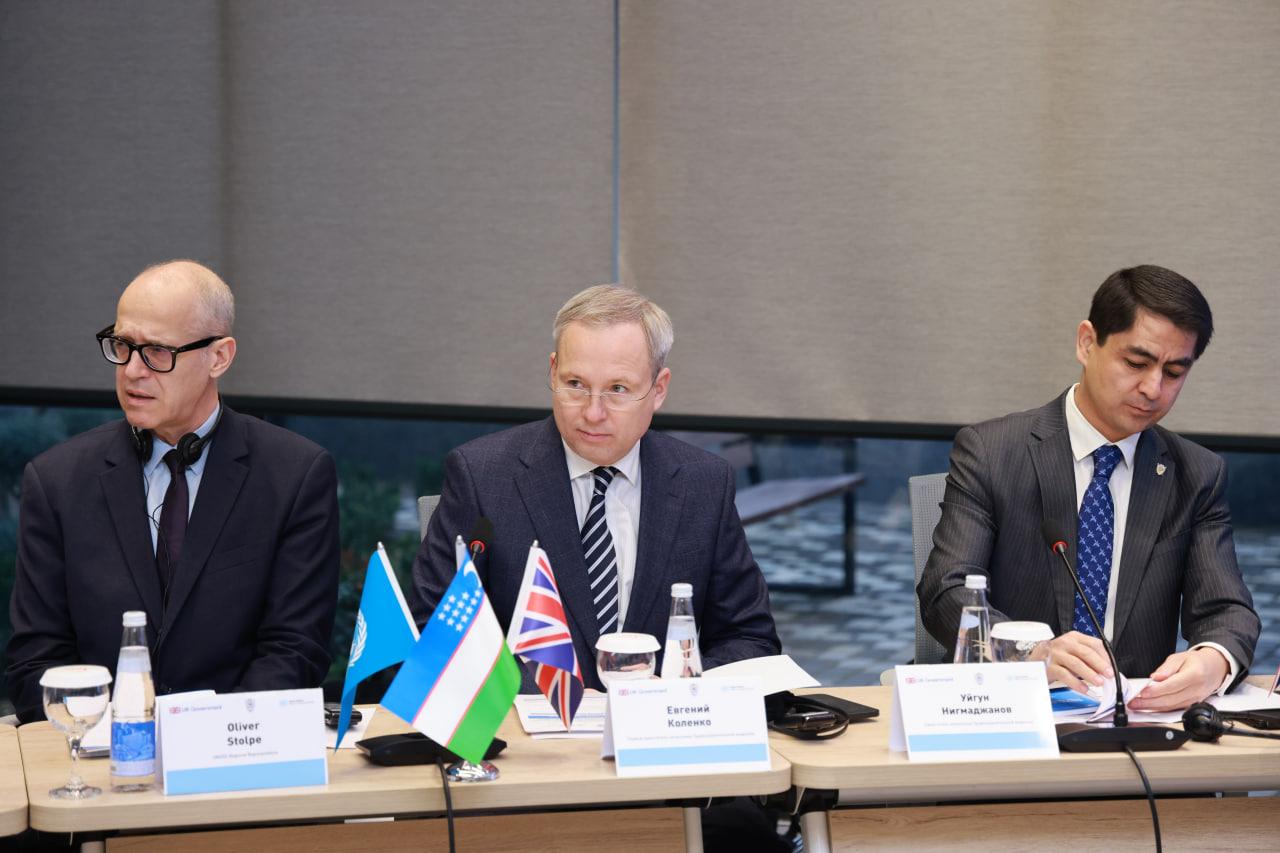
Deputy Head of the Academy U.U. Nigmadjanov, in particular, noted: "Based on the instructions of the President of our country, urgent tasks have been defined for the law enforcement system, aimed at the early detection and prevention of modern threats, especially a deep analysis of the financial aspects of crime, and strengthening cross-border cooperation. Based on this, it is necessary to provide practicing employees with modern tools and skills, to define the implementation of the principles "crime should not pay" as one of the priority areas of national criminal law policy, as well as "follow the money" aimed at identifying the movement of funds received from crime and their confiscation, and, accordingly, to take appropriate measures to further improve legal mechanisms in this area.
In this context, the training program emphasizes the analysis of financial flows and reveals the economic basis of crime by identifying criminal proceeds.
Special attention was paid by the UN, British and national experts to the issues of establishing effective cooperation between financial intelligence and investigative bodies, improving the mechanisms for searching, freezing, and returning criminal assets, introducing specialized approaches to combating cybercrime and crimes committed in the virtual environment, identifying and restricting criminal activity carried out through informal money transfers (hawala) and cryptocurrency, as well as strengthening awareness of fraud schemes by increasing the legal literacy of the population.
During the event, the participants, based on practical examples, strengthened their practical skills in conducting a financial and economic analysis of crime, forming a evidence base, and their reliable confirmation in court.