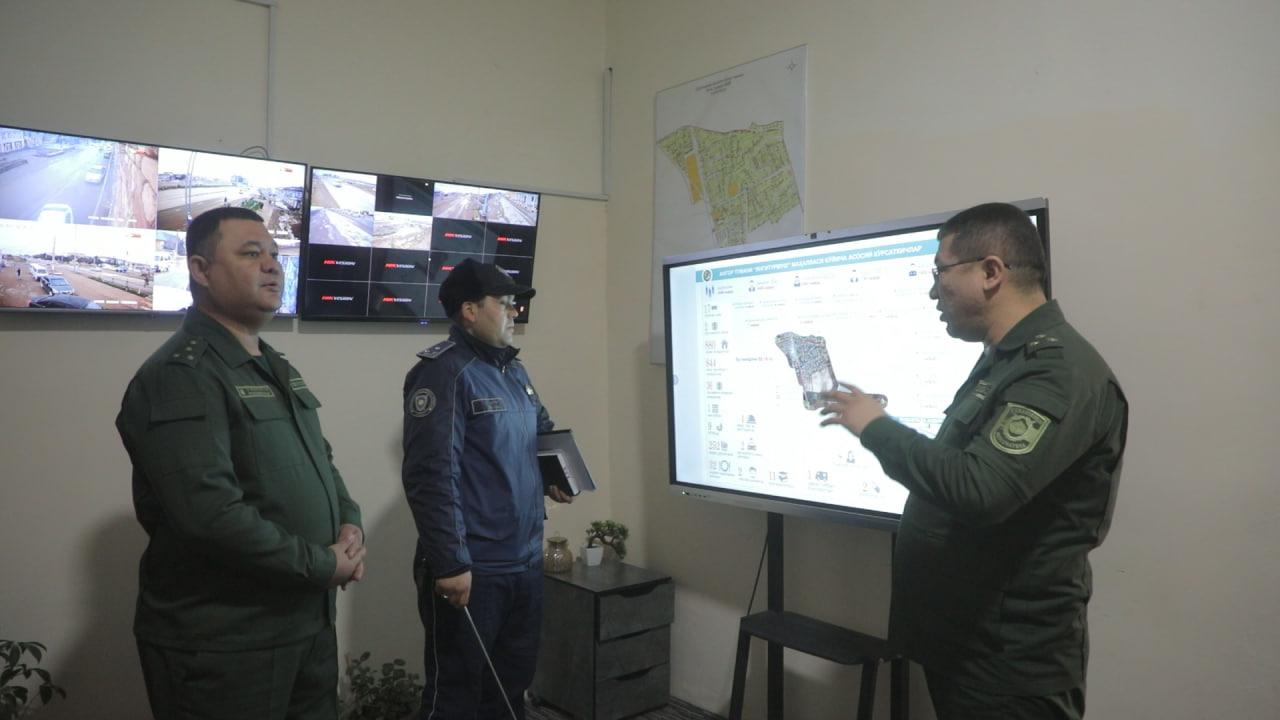
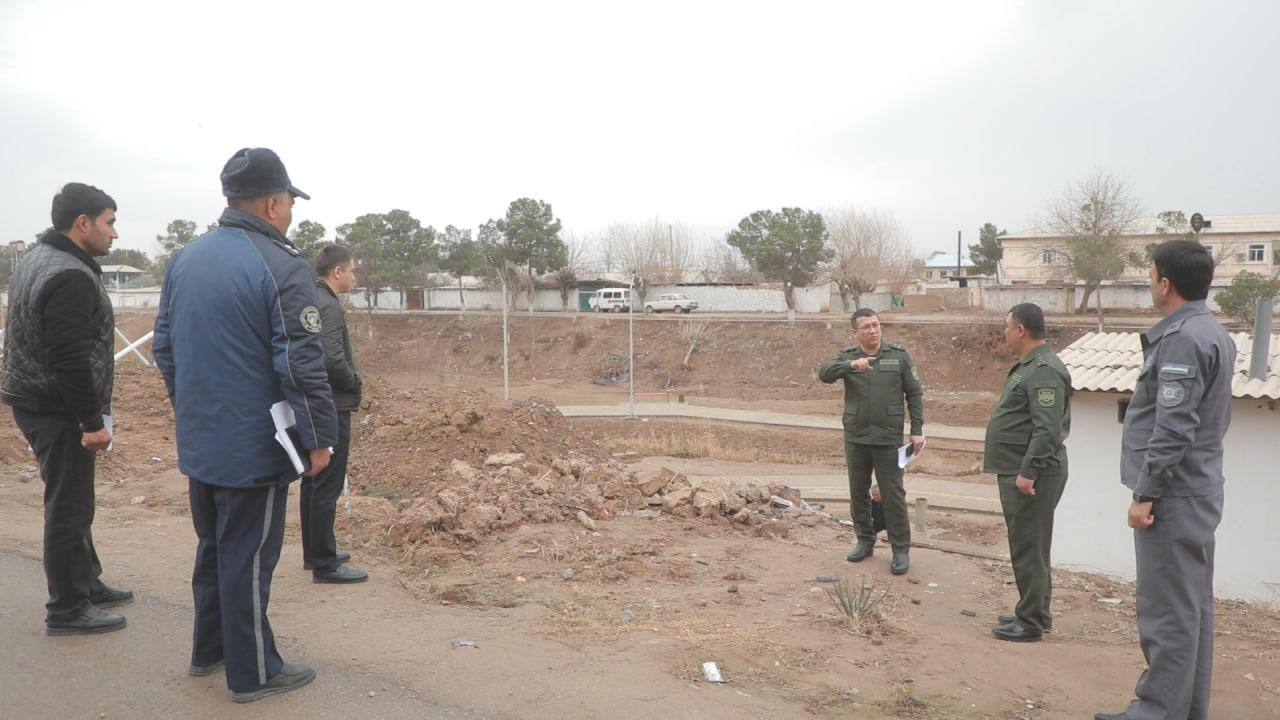
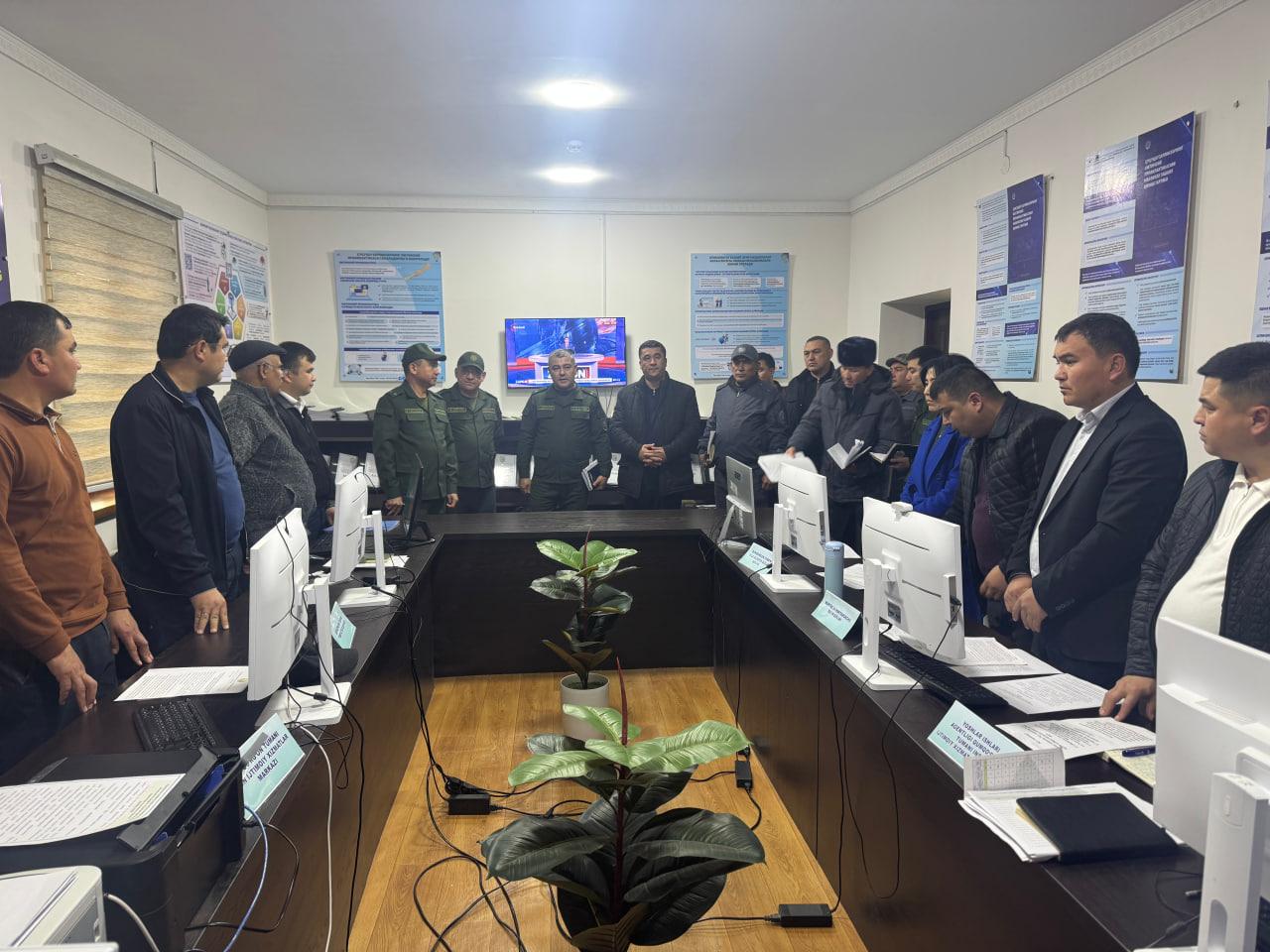
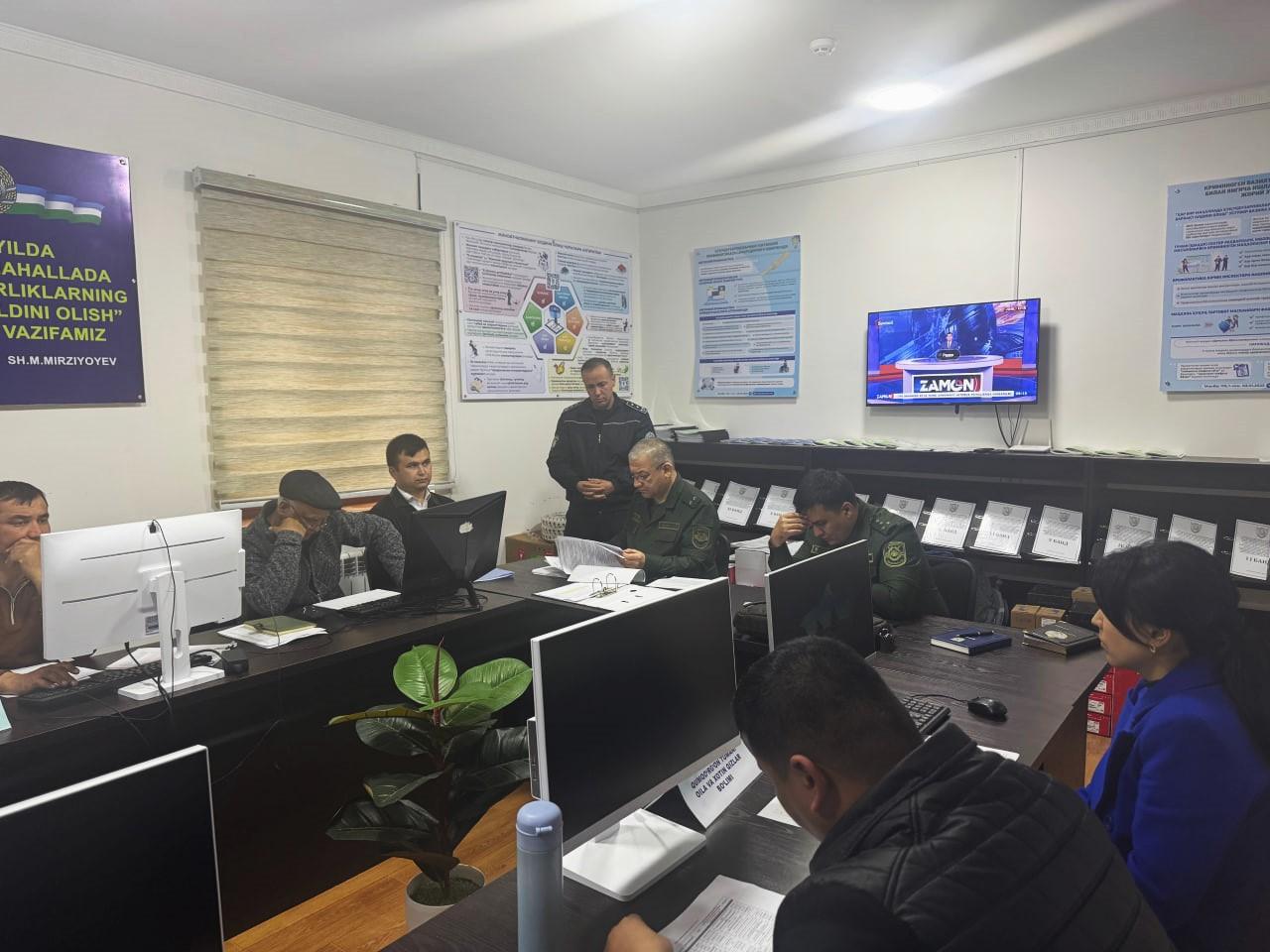
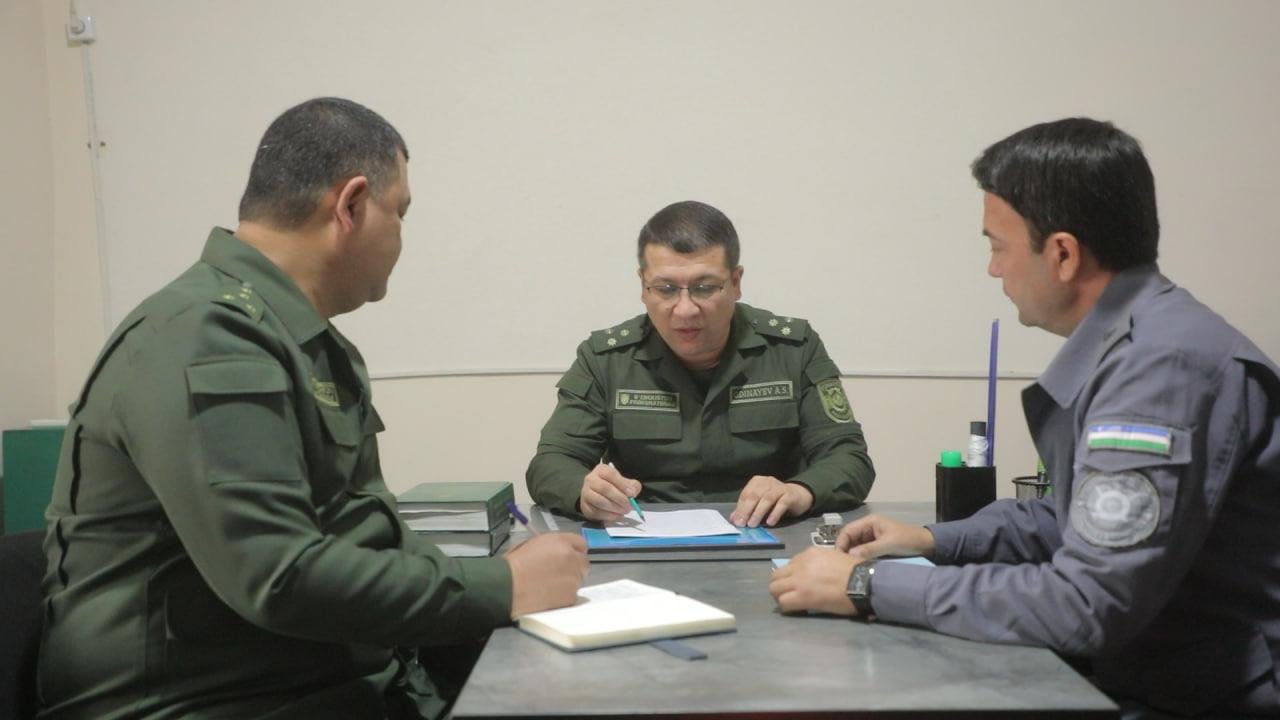
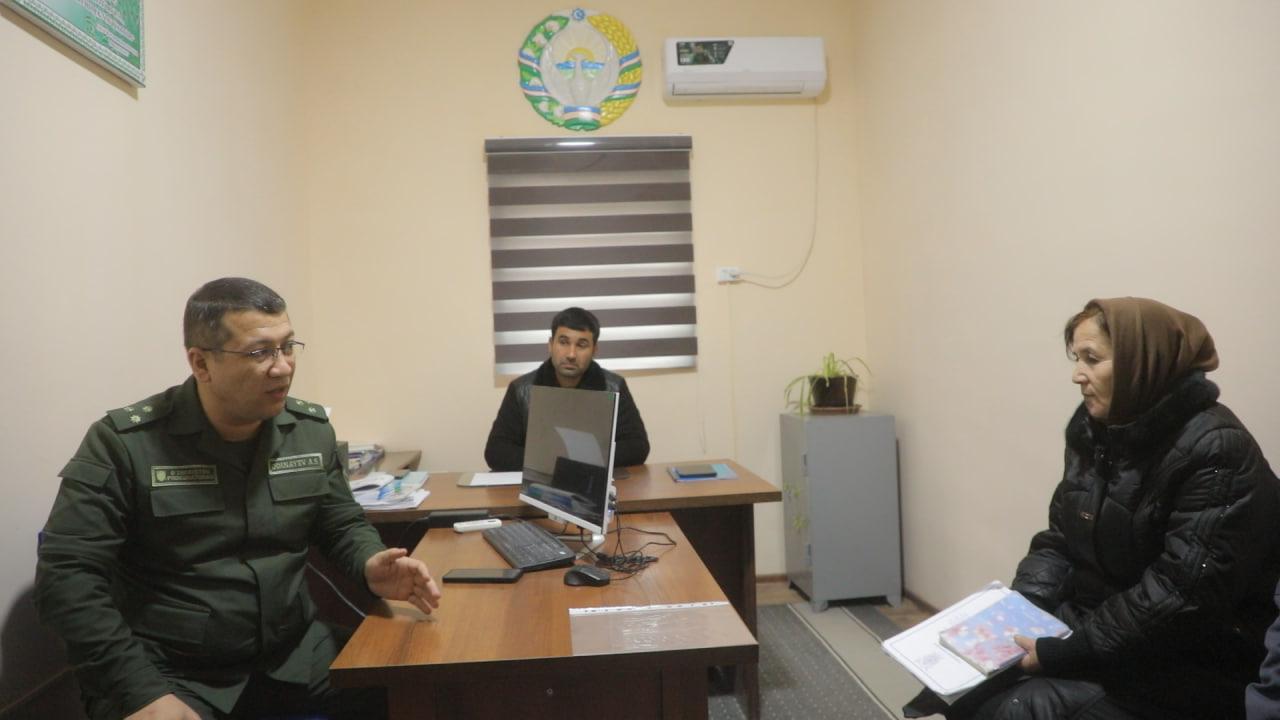
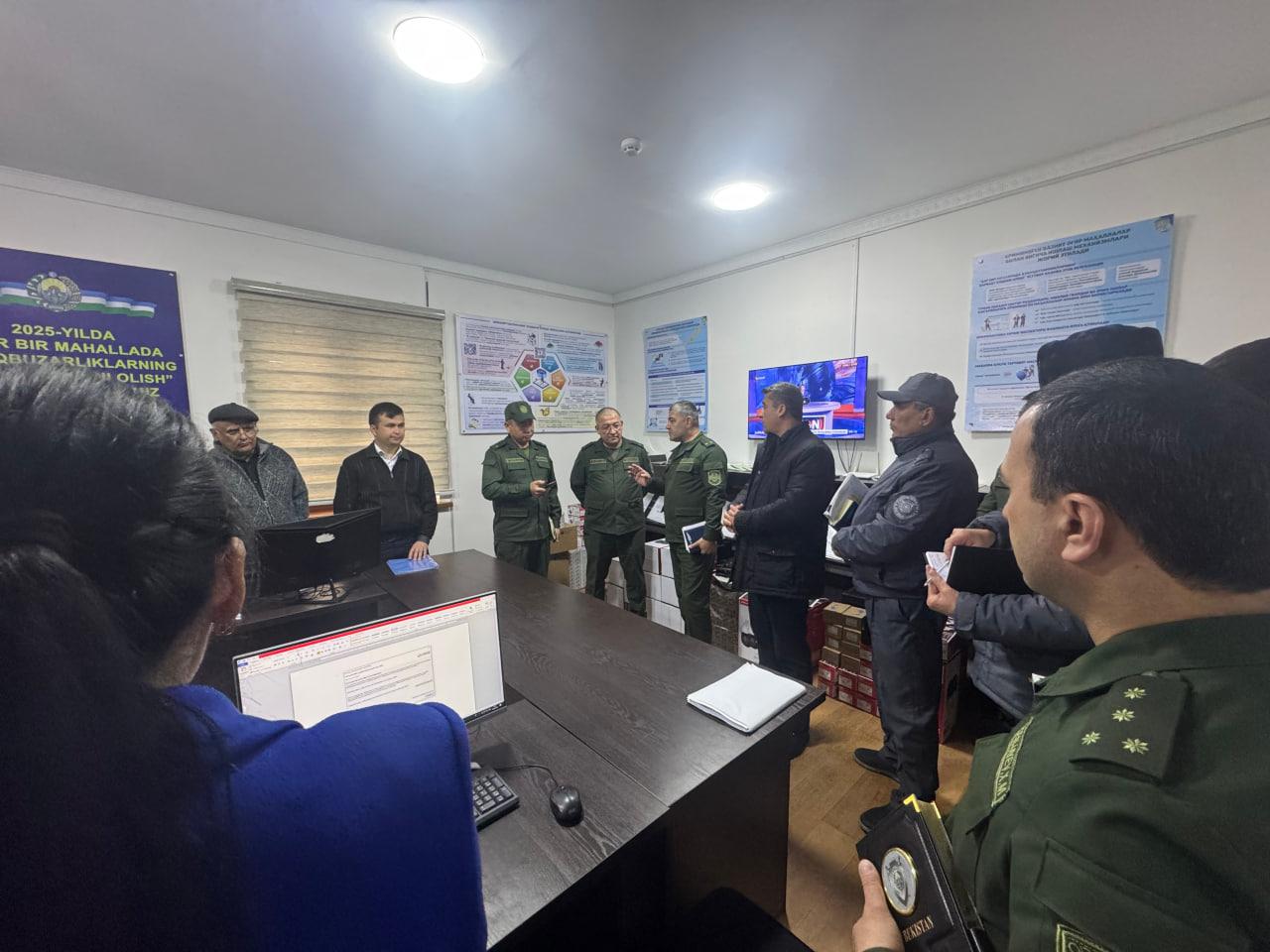
In order to ensure the implementation of the Decrees of the President of the Republic of Uzbekistan dated January 5, 2026 — No. PQ-1 “On Additional Measures Aimed at Introducing an Integrated Targeted System for Creating a Safe Environment in the Mahallas of the Republic” and No. PQ-2 “On Organizational Measures to Further Improve the Effectiveness of Early Crime Prevention in the Mahallas in 2026” — the Academy’s working group is conducting a comprehensive study of the criminogenic situation in mahallas.
The activities are organized based on the principle of “scientific conclusion – recommendation – result.” Through field visits to the regions, the causes and factors influencing crime, the conditions facilitating criminal activity, and the current state of preventive measures are being analyzed.
In January of this year, in the districts of Shurchi, Sherobod, Denov, Angor, Muzrabot, Sariosiyo, Qumqo‘rg‘on, and Qiziriq of Surkhandarya region, mahallas that have remained in the “red” category over the past three years were studied in depth using scientific approaches, with a focus on the timely detection and early prevention of offenses and crimes.
In February, in accordance with paragraph 6 of Decree No. PQ-1, Academy staff — as part of the Republican Interagency Coordination Headquarters established under the Office of the Prosecutor General and its permanent working group — conducted supervisory field studies in the mahallas assigned to Surkhandarya region to ensure the comprehensive organization of early crime prevention activities.
During the study process, particular attention was paid to the factors affecting the criminogenic situation in the mahallas, existing social and бытовые (socio-domestic) issues, and the effectiveness of preventive measures. Broad information exchange sessions were also organized with members of the “Mahalla Seven.”
Specifically, an electronic testing program – Quiz Bot – consisting of questions related to the responsibilities of the “Seven” was developed and introduced in all mahallas. This resource serves to promptly and conveniently deliver the content of normative legal acts, as well as to strengthen professional knowledge and skills.
The results of the studies, along with proposals and recommendations, were summarized and submitted to responsible authorities for inclusion in future roadmaps aimed at improving the criminogenic situation.
The Academy continues its consistent efforts to create a safe environment in mahallas and to enhance the effectiveness of the crime prevention system.