




In our country, reforms aimed at introducing modern information and communication technologies into the system of public administration and law enforcement, as well as ensuring efficiency, transparency, and efficiency in the activities of state bodies, are being consistently implemented.
In these processes, the "Digital Prosecutor's Office - 2030" Strategy serves as an important programmatic basis, aimed at radically modernizing the work processes of prosecutor's offices, especially in the field of investigation, reducing the human factor, and improving the quality of decision-making.
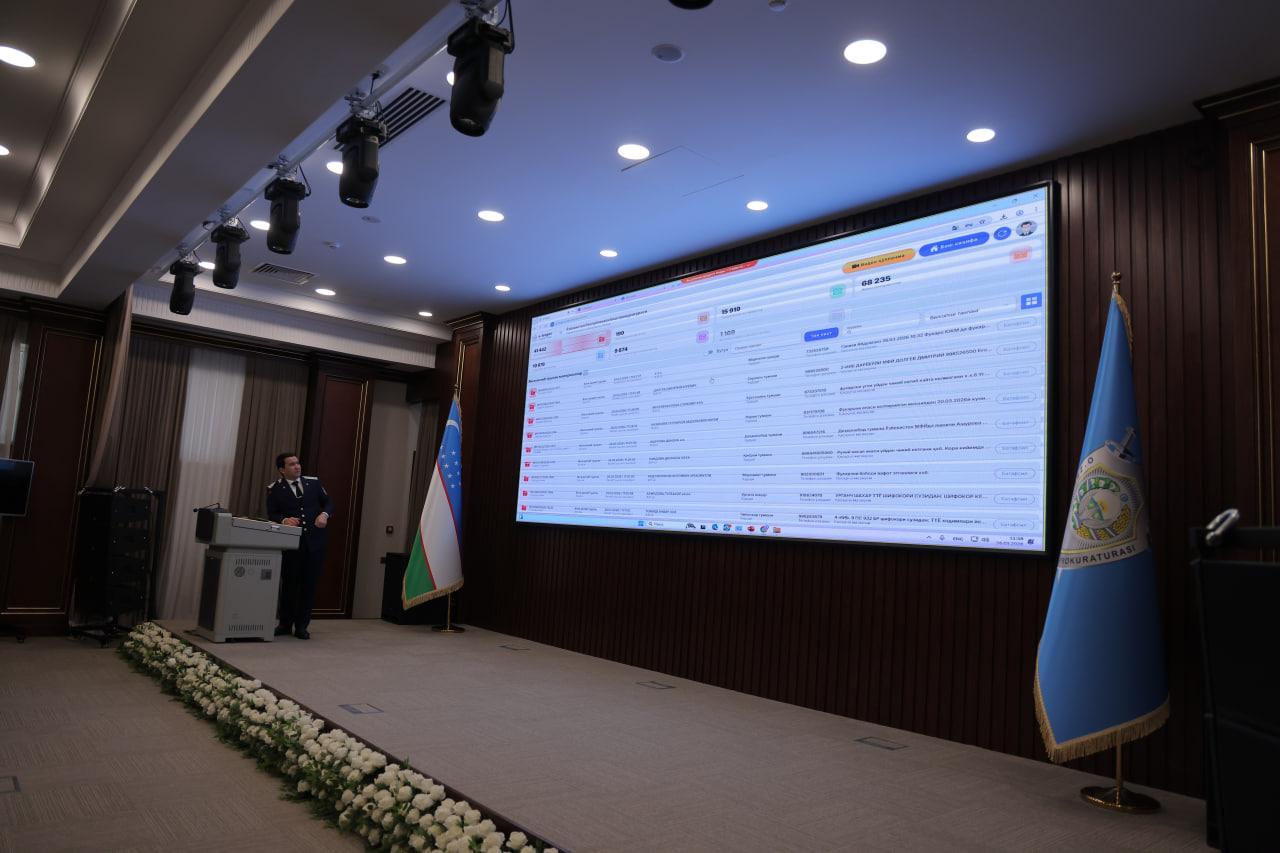
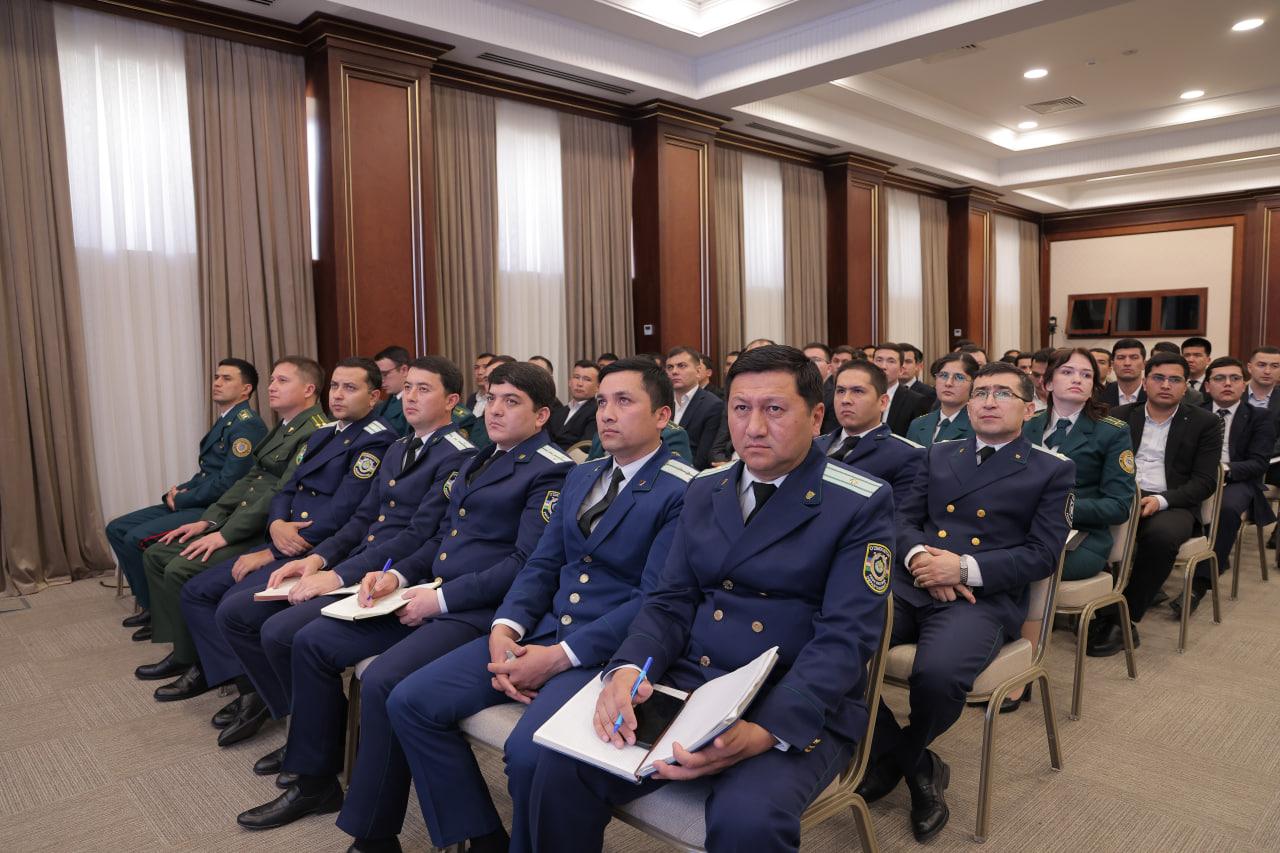
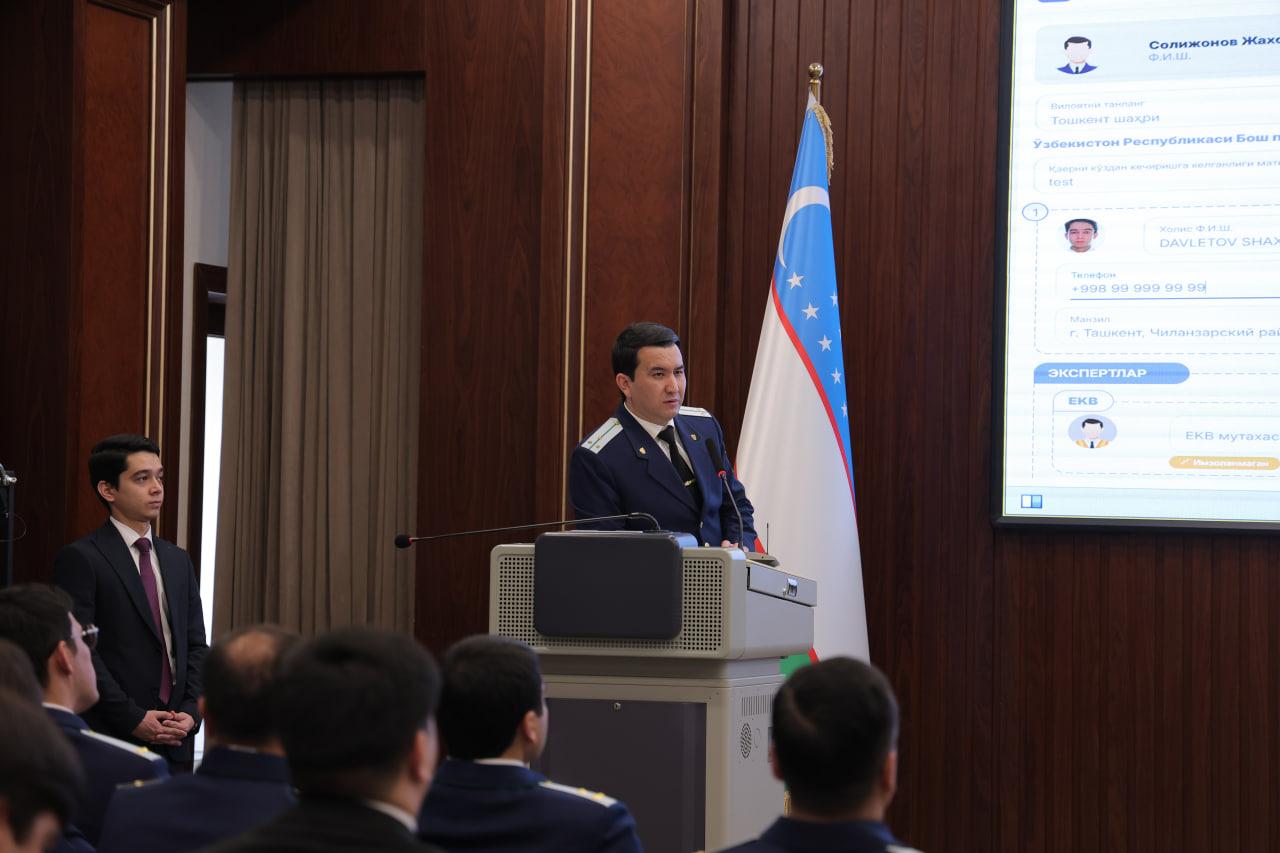
On March 26 of this year, a republican training seminar was organized at the Law Enforcement Academy of the Republic of Uzbekistan to ensure the implementation of tasks in this area. It was attended by operational officers working in investigative bodies, students of the Academy's master's program, as well as employees enrolled in advanced training courses and newly admitted to the prosecutor's office.
During the seminar, priority areas of the strategy, mechanisms for implementing digital solutions in practice, and issues of forming skills in working with the "E-tergov" information system were discussed in detail.
It was noted that the effective use of modern information technologies in the investigation process plays an important role in the prompt detection of crimes, reliable consolidation of evidence, and ensuring the validity of procedural decisions.
In this regard, a separate working group has been established jointly with the Prosecutor General's Office and the Law Enforcement Academy to improve the quality of investigations and enhance the effectiveness of prosecutorial oversight. This group is developing a number of innovative proposals for the implementation of digital solutions based on advanced foreign experience.
In particular, the "Investigator's Tablet" project, being implemented in practice, marks the beginning of a new stage in the digitalization of investigative processes. This device, integrated with the "E-tergov" system, allows you to automatically register applications and messages, initiate prompt procedural actions on them, and conduct all processes in a single digital environment.
Through the tablet, it is possible to record procedural actions in real time, generate reports electronically, and minimize errors related to the human factor. In particular, the use of Face ID technology serves to strengthen procedural discipline along with increasing the personal responsibility of the investigator.
This solution also allows saving time and resources by automatically generating information about the participants in the procedural action, appointing forensic examinations, and sending relevant materials electronically.
In general, the consistent introduction of digital technologies into investigative practice serves to bring the quality of investigations to a new level, minimize the human factor in decision-making, and ensure the transparency and impartiality of each procedural action. This, in turn, is an important guarantee of reliable protection of the rights and legitimate interests of citizens, achieving a fair trial, and strengthening public trust in the law enforcement system.