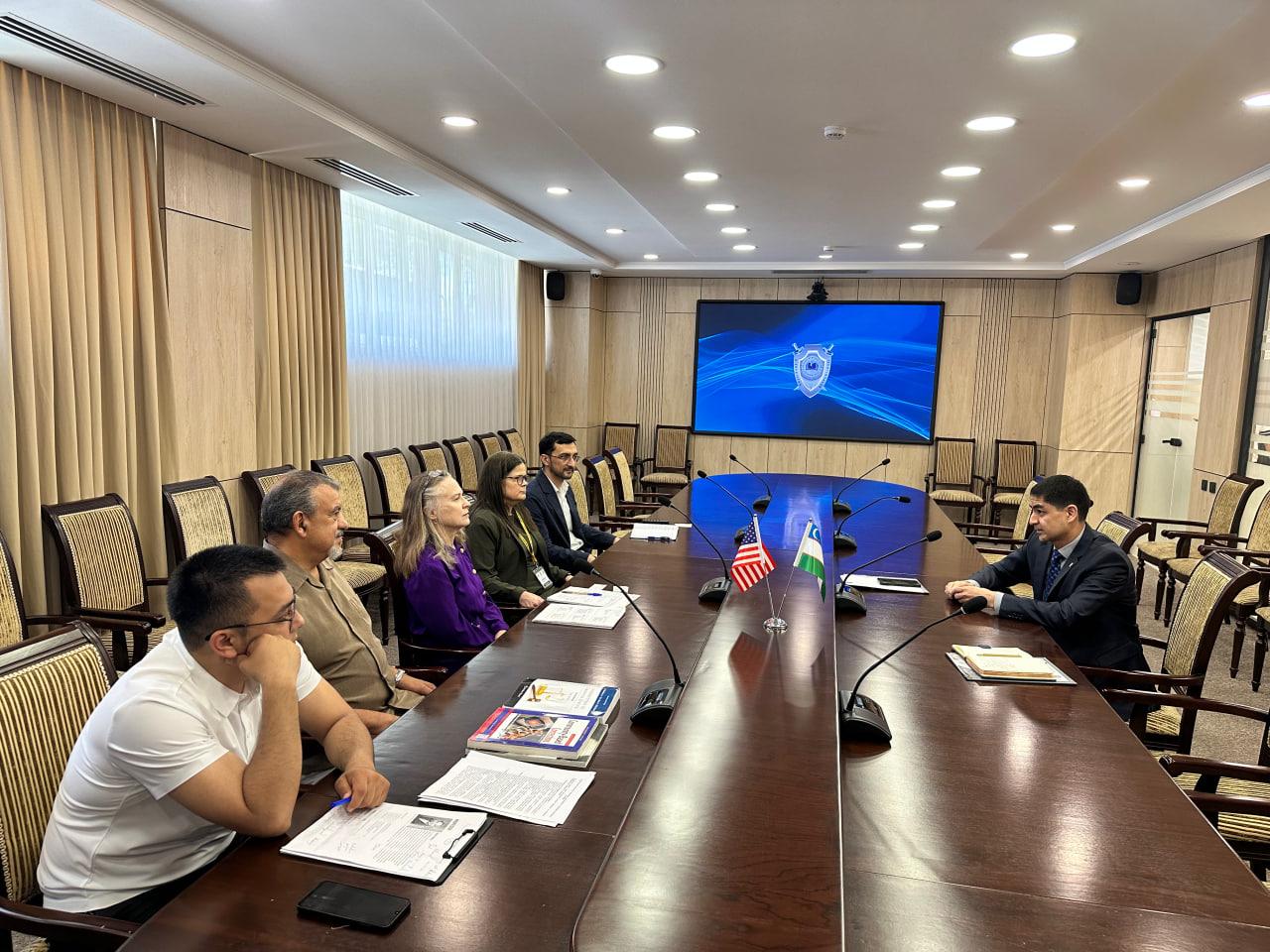
The academic program, implemented in May–June at the Law Enforcement Academy with the participation of invited professor, Fulbright Program Specialist from the USA, and renowned scientist in the field of criminology Lienn Alarid, was aimed at enriching educational content, improving digital educational resources, and strengthening scientific cooperation.
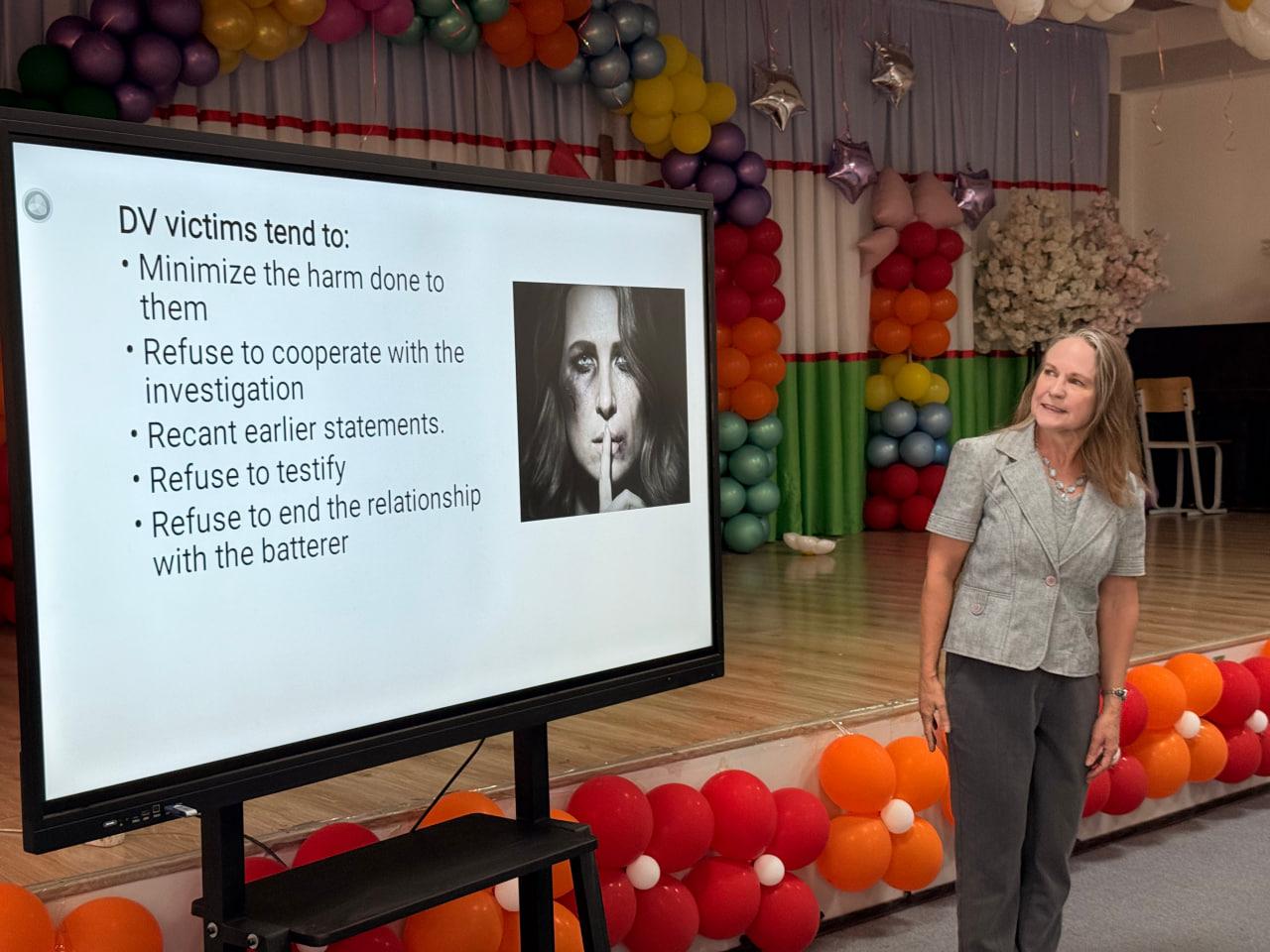
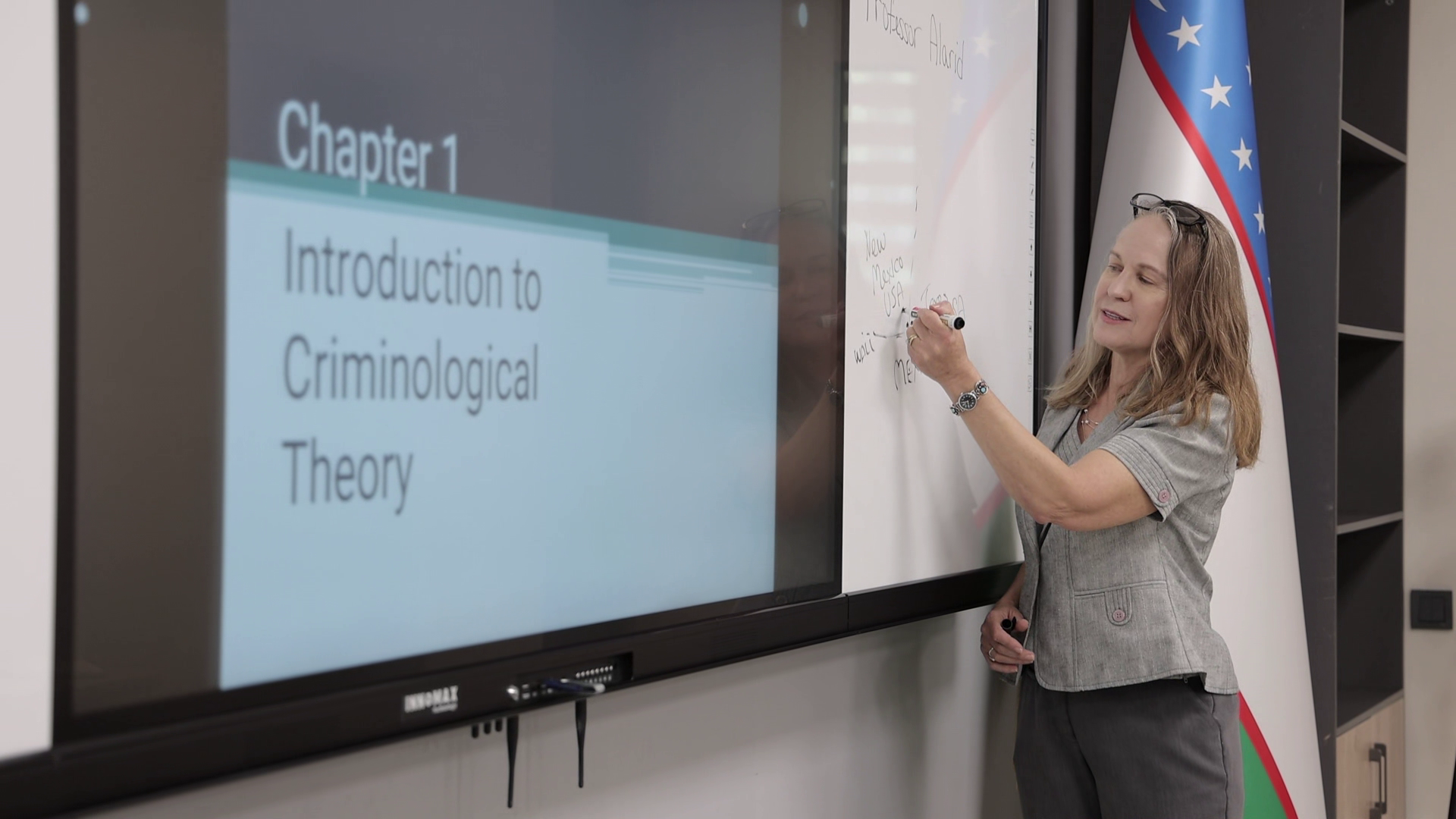
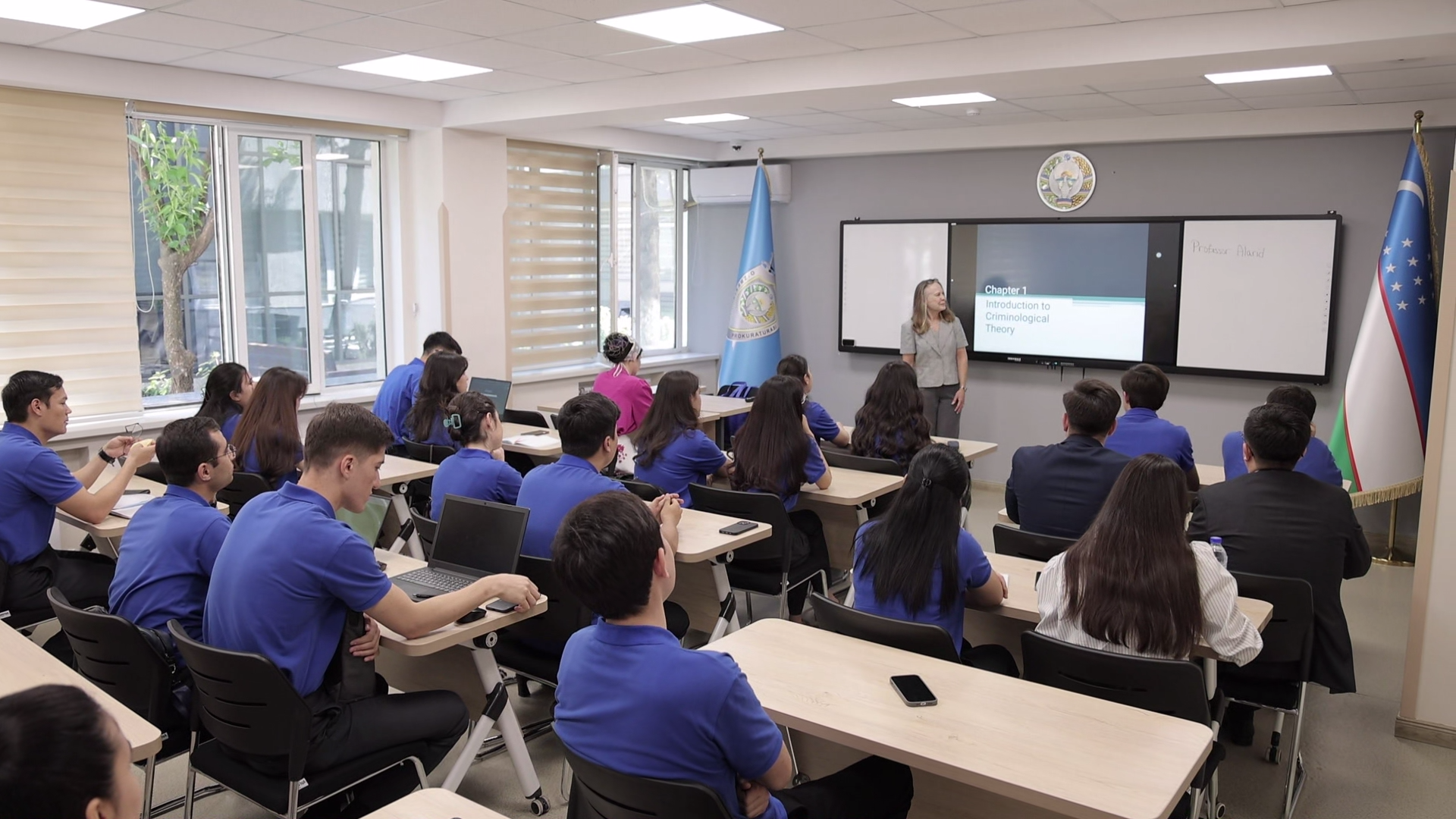
As part of the program, the professor conducted special training sessions and scientific-academic dialogues for undergraduate students and master's students. The topic "Theories of Crime" covered modern criminological theories explaining the causes of crime, and the topic "Domestic Abuse" covered the prevention of domestic violence and its criminological analysis.
Special attention was paid to modern approaches to the scientific analysis of crime, the connection of criminological theories with practice, and the development of students' analytical thinking skills.
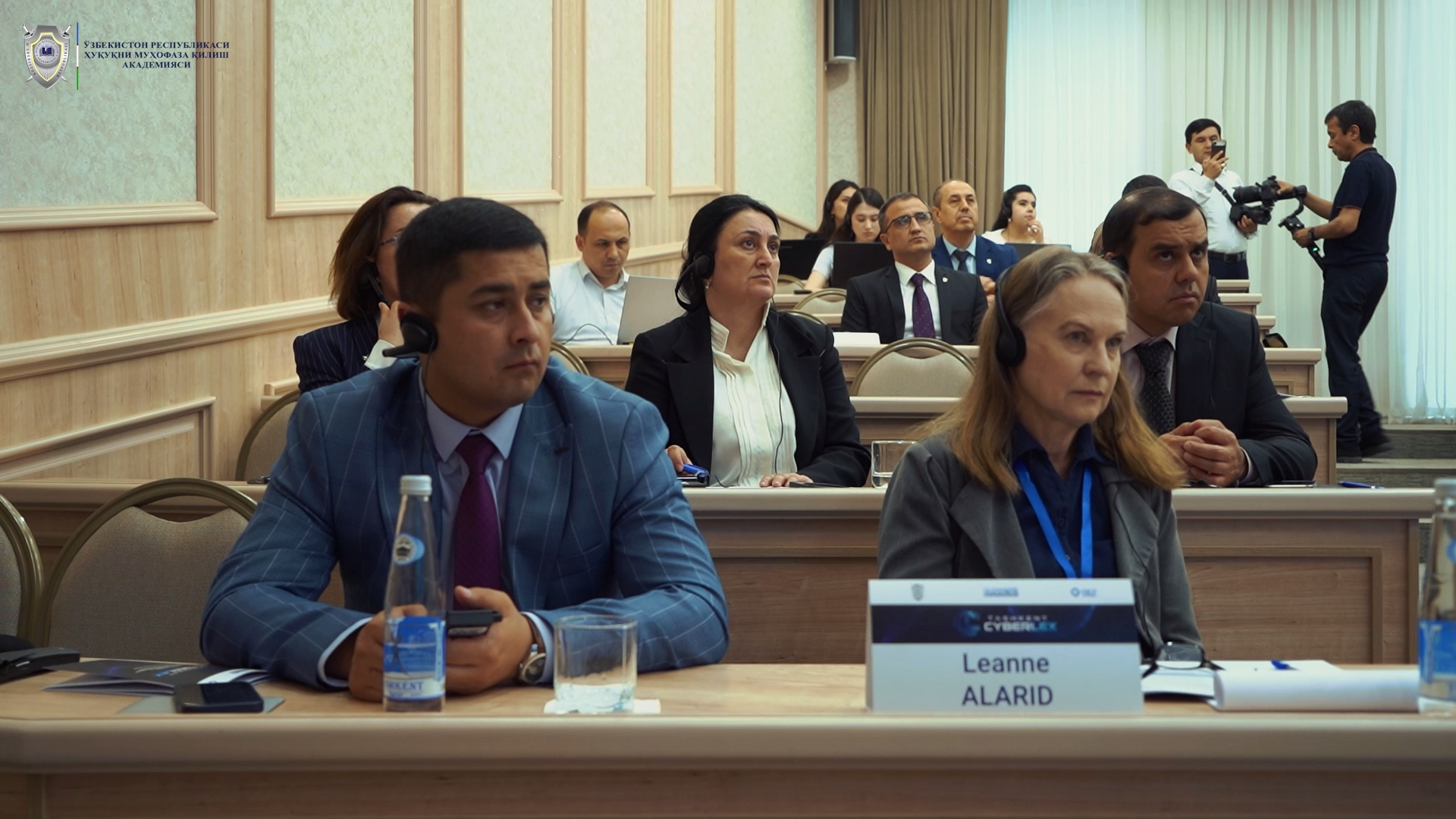
Professor Lienn Alarid also participated in the international scientific and practical forum "TASHKENT CYBERLEX - 2026" held at the Academy on May 21-22 and delivered a presentation on "Theory of Cybercrime."
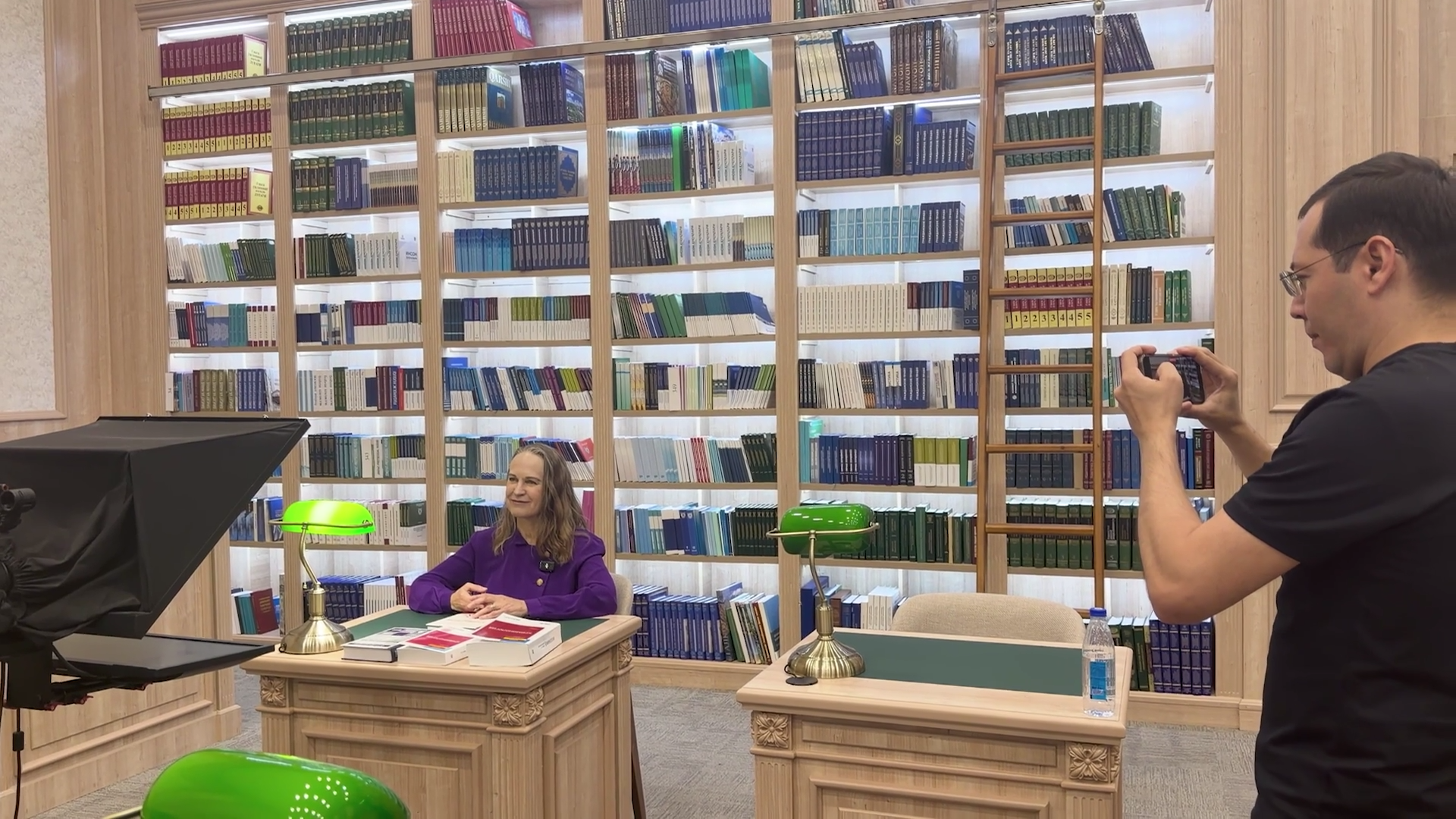
One of the important areas of the academic program was the development of digital educational resources. Based on the professor's expert support, work was carried out to create and improve distance learning courses on the topics "Theories of Crime" and "Police Responses to Family/Domestic Violence." Their content was enriched with advanced international experience and modern scientific approaches.
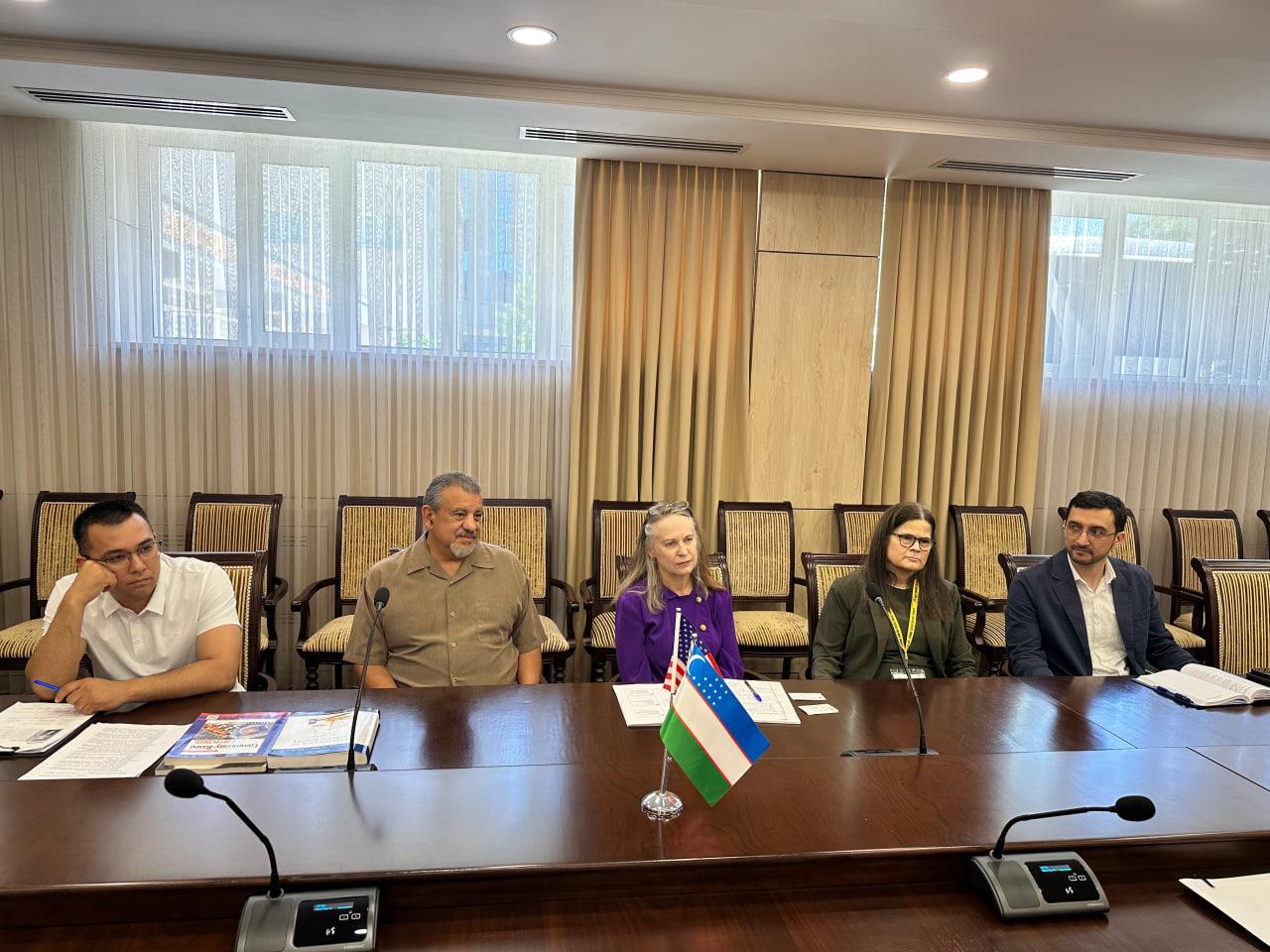
The professor also presented scientific literature on criminology, victimology, crime theories, and problems of domestic violence to the Academy's Information Resource Center. These resources serve as an important scientific resource for professors, researchers, and students.
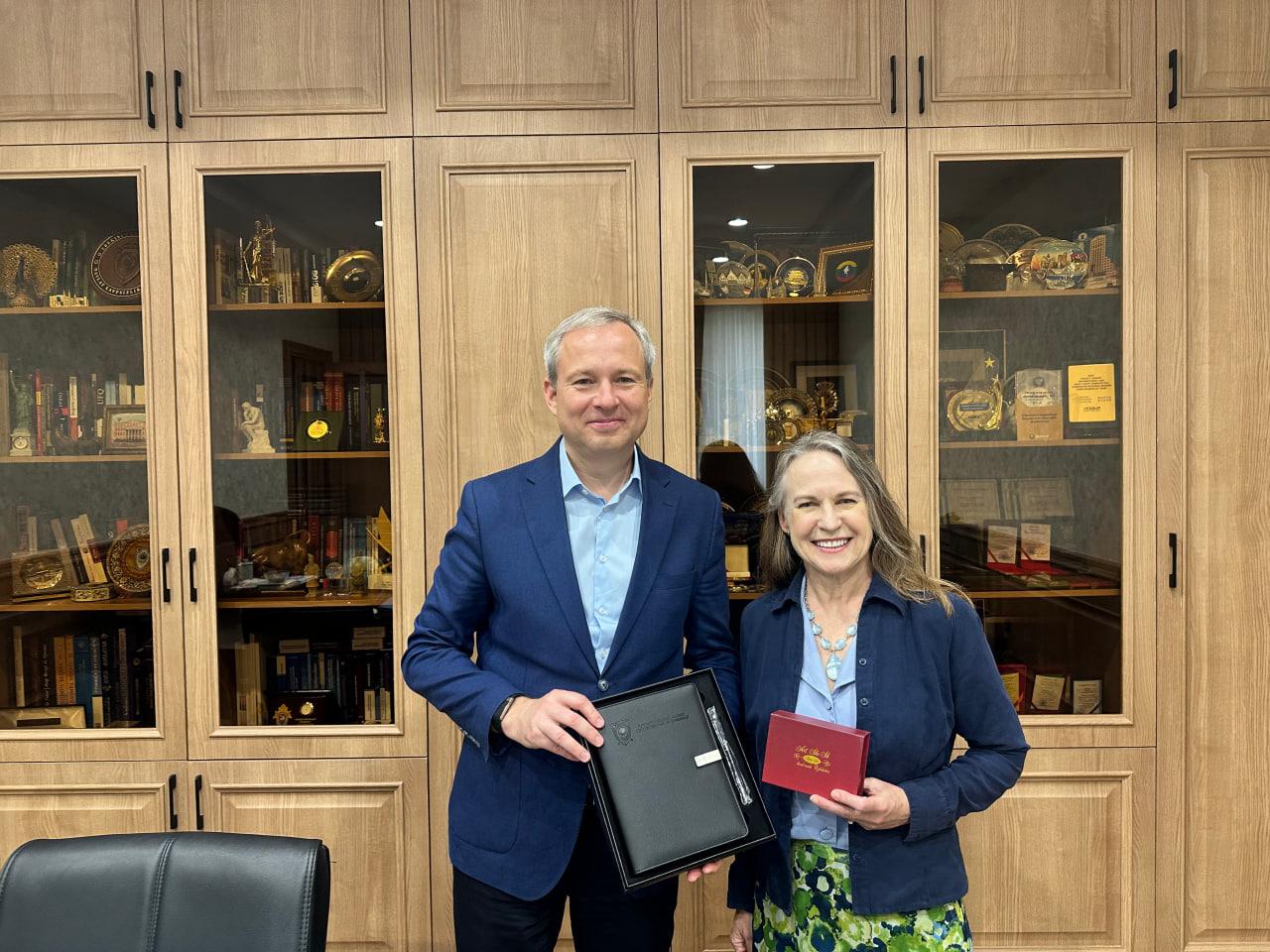
The results of this academic program will now be continued in the Academy's training courses, digital educational environment and scientific resources. The Law Enforcement Academy pays special attention to introducing advanced international experience into the educational process by systematically involving leading foreign scientists and practitioners in educational and scientific processes.