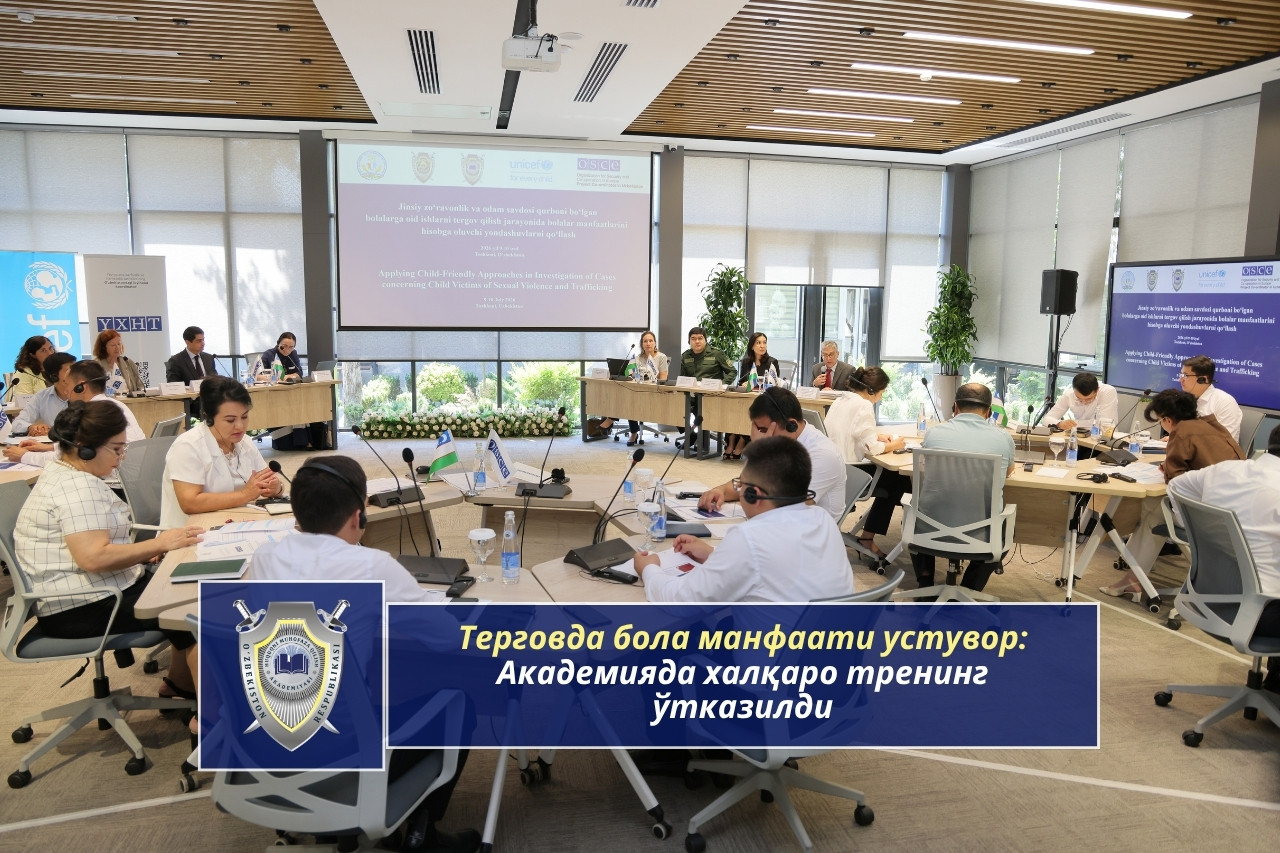
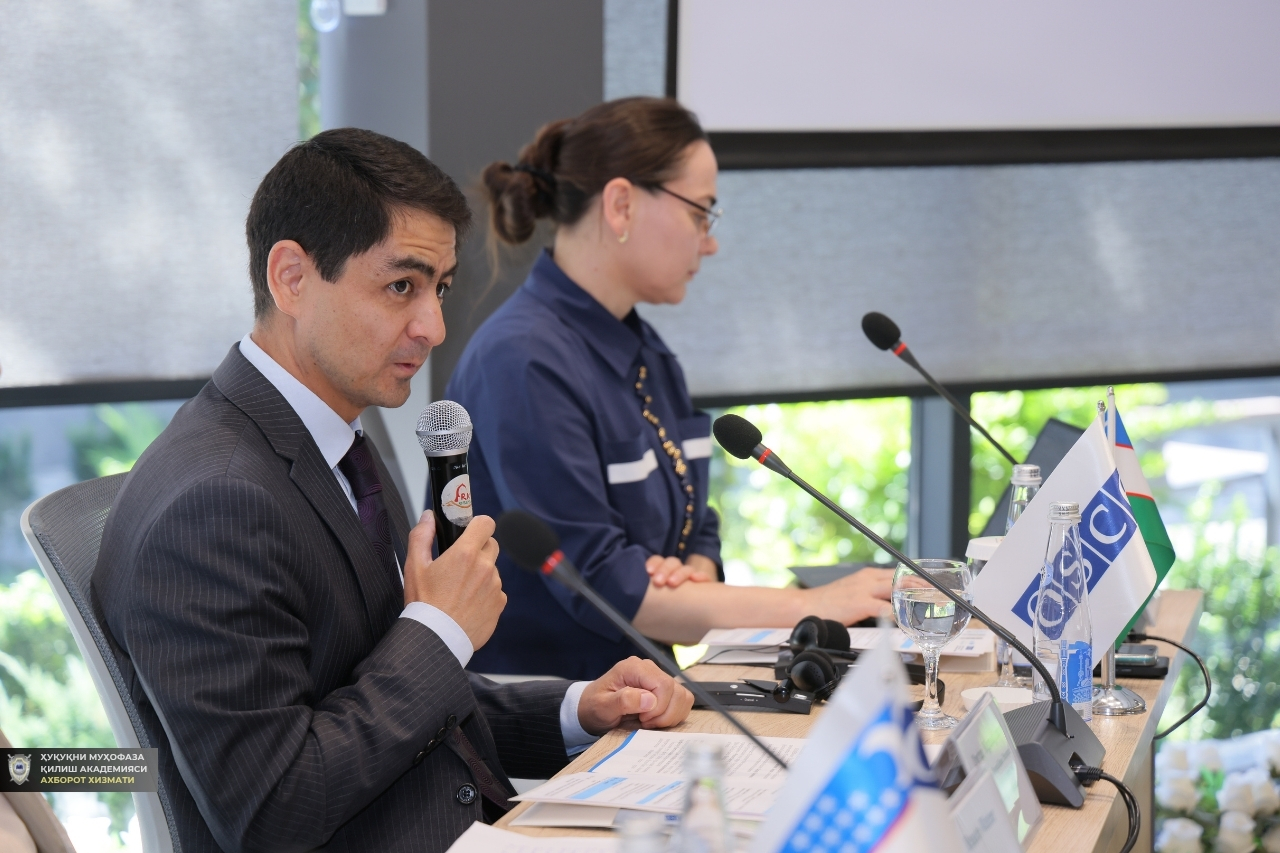
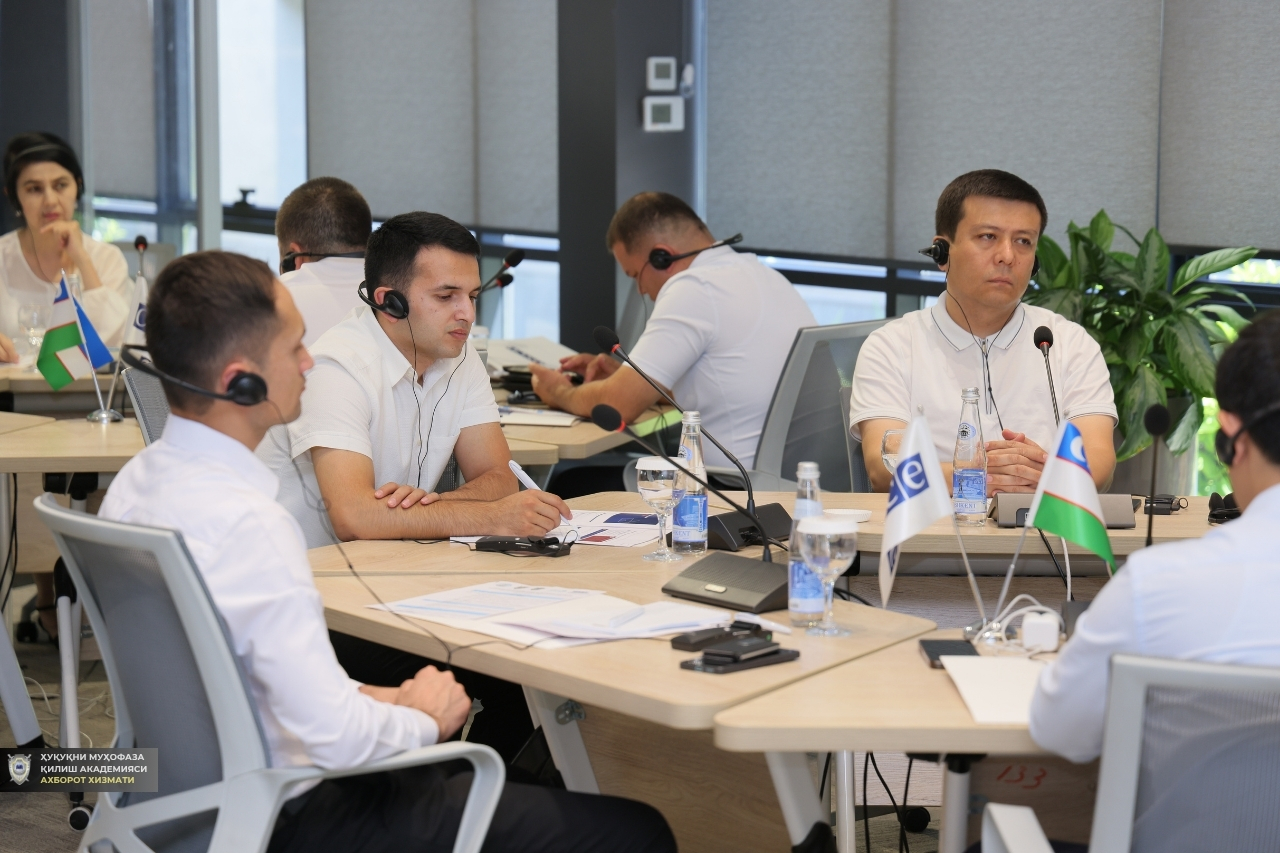
The Law Enforcement Academy of the Republic of Uzbekistan hosted a two-day international training programme focused on promoting child-friendly approaches to the investigation and judicial handling of cases involving child victims of violence and human trafficking.
The event was jointly organized by the Prosecutor General’s Office of the Republic of Uzbekistan, the United Nations Children’s Fund (UNICEF), the Children’s Ombudsman, and the Organization for Security and Co-operation in Europe (OSCE).
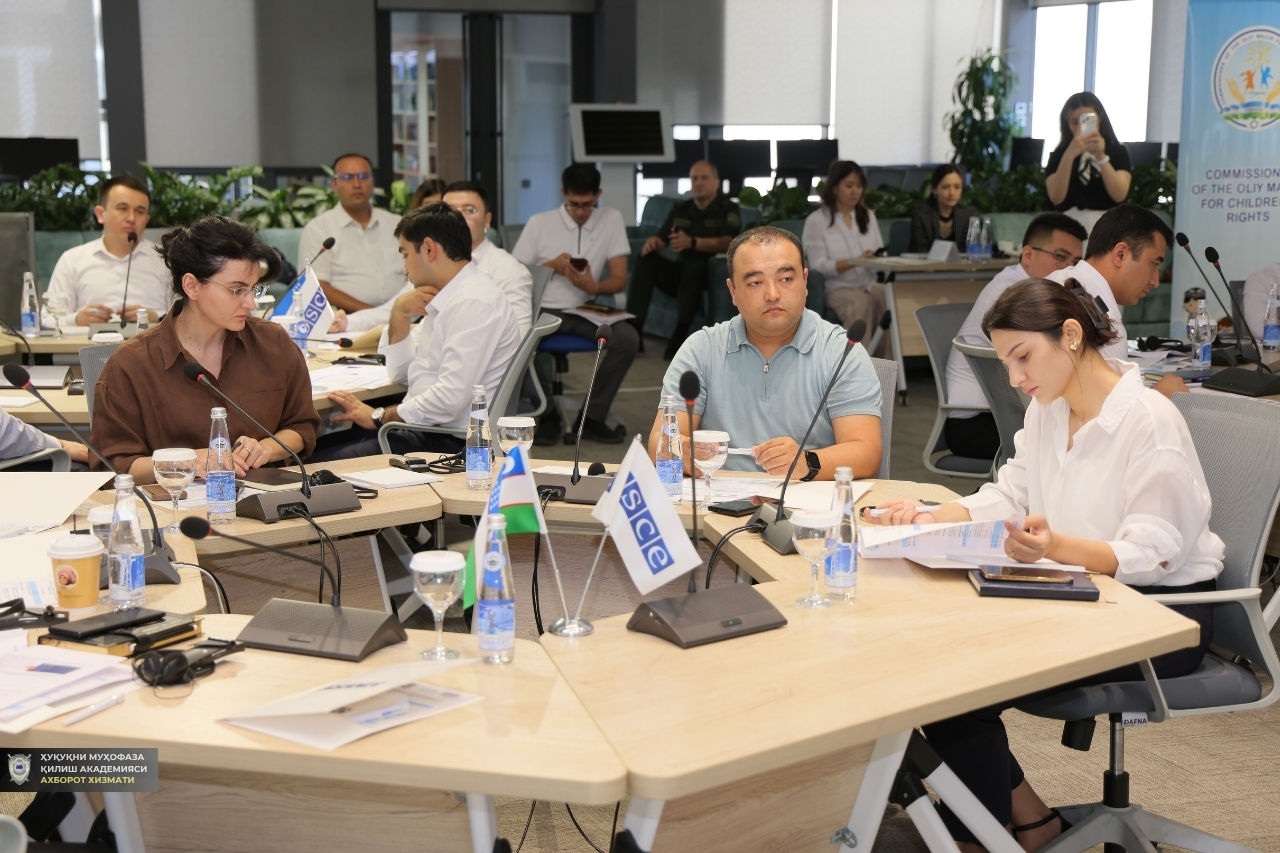
The training brought together assistant prosecutors responsible for this area of work from the prosecutor’s offices of Samarkand Region, Tashkent Region and the city of Tashkent, as well as members of the Academy’s faculty.
The theoretical and practical sessions, conducted with the participation of international experts, focused on methodologies for interviewing children, assessing their psychological and emotional well-being, preventing secondary psychological trauma during investigative procedures, and ensuring the full protection of their procedural rights.
Particular attention was devoted to the specific aspects of prosecutorial oversight in criminal cases involving child victims, taking into account the child's age and psychological characteristics during communication, and conducting investigative actions in a safe and supportive environment.
During practical exercises and professional discussions, participants analysed a range of case scenarios and exchanged views on international best practices and national experience. The training strengthened their knowledge and practical skills in conducting investigative procedures involving children with due care, impartiality and professionalism.
As part of the programme, participants also examined international standards of child-friendly justice, including the principles of the Barnahus model, aimed at preventing repeated interviews of child victims and reducing the risk of secondary victimisation and psychological trauma.
At the conclusion of the training, participants emphasized the importance of further aligning investigative procedures involving children with international standards, strengthening inter-agency cooperation, and ensuring that the best interests of the child remain the primary consideration in every procedural action and decision.
The training programme reaffirmed the principle that a child involved in criminal proceedings should be regarded not merely as a participant in the process, but first and foremost as an individual in need of special protection and careful treatment. Indeed, in every case involving a child, the effectiveness of an investigation should be measured not only by its ability to establish the facts of the offence, but also by the extent to which it safeguards the child’s dignity, rights and psychological well-being throughout the proceedings.