At a videoconference meeting chaired by the President of the Republic of Uzbekistan, on January 27 of this year, specific tasks were set to fundamentally improve the quality of investigative activities, ensure their impartiality and transparency, and guarantee lawful decisions in every criminal case. In implementation of these instructions, consistent organizational and practical measures are being carried out within the law enforcement system.
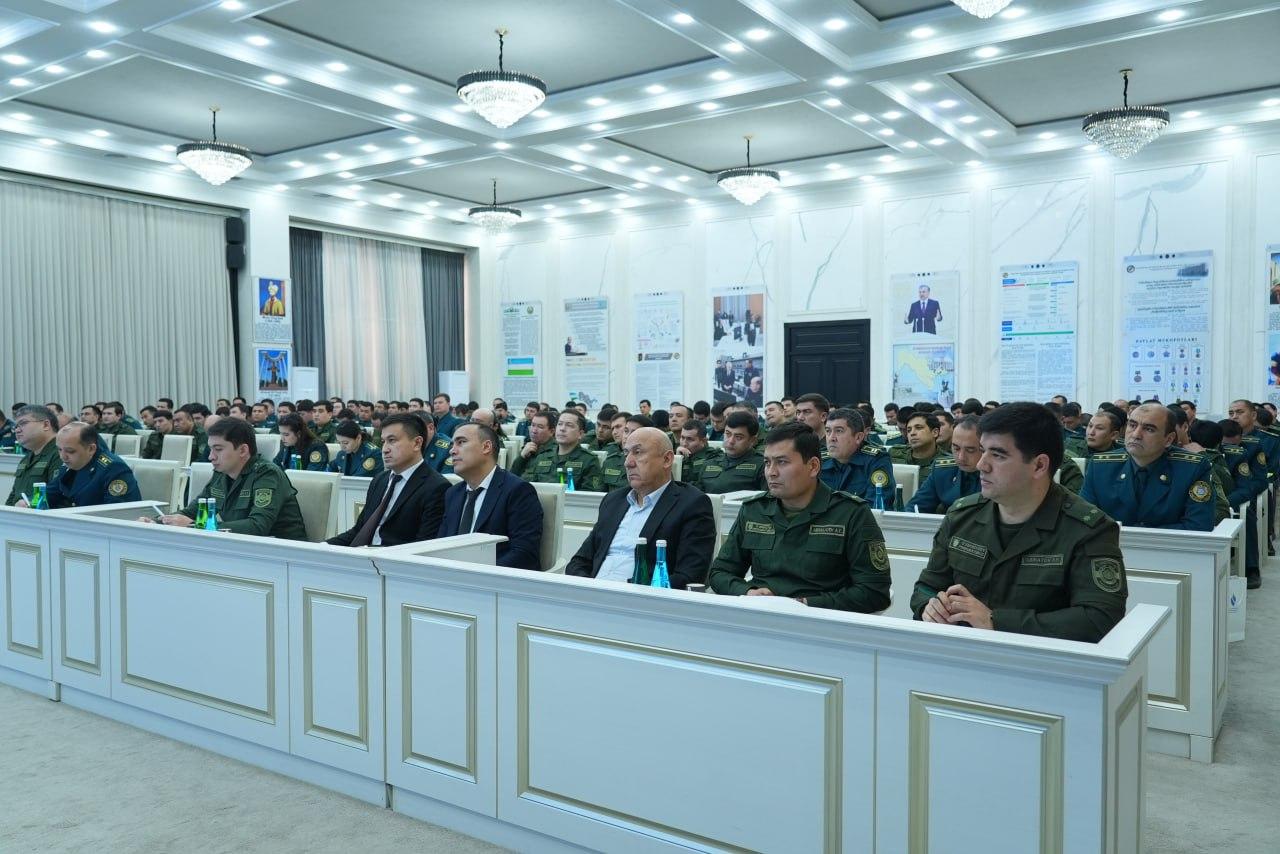
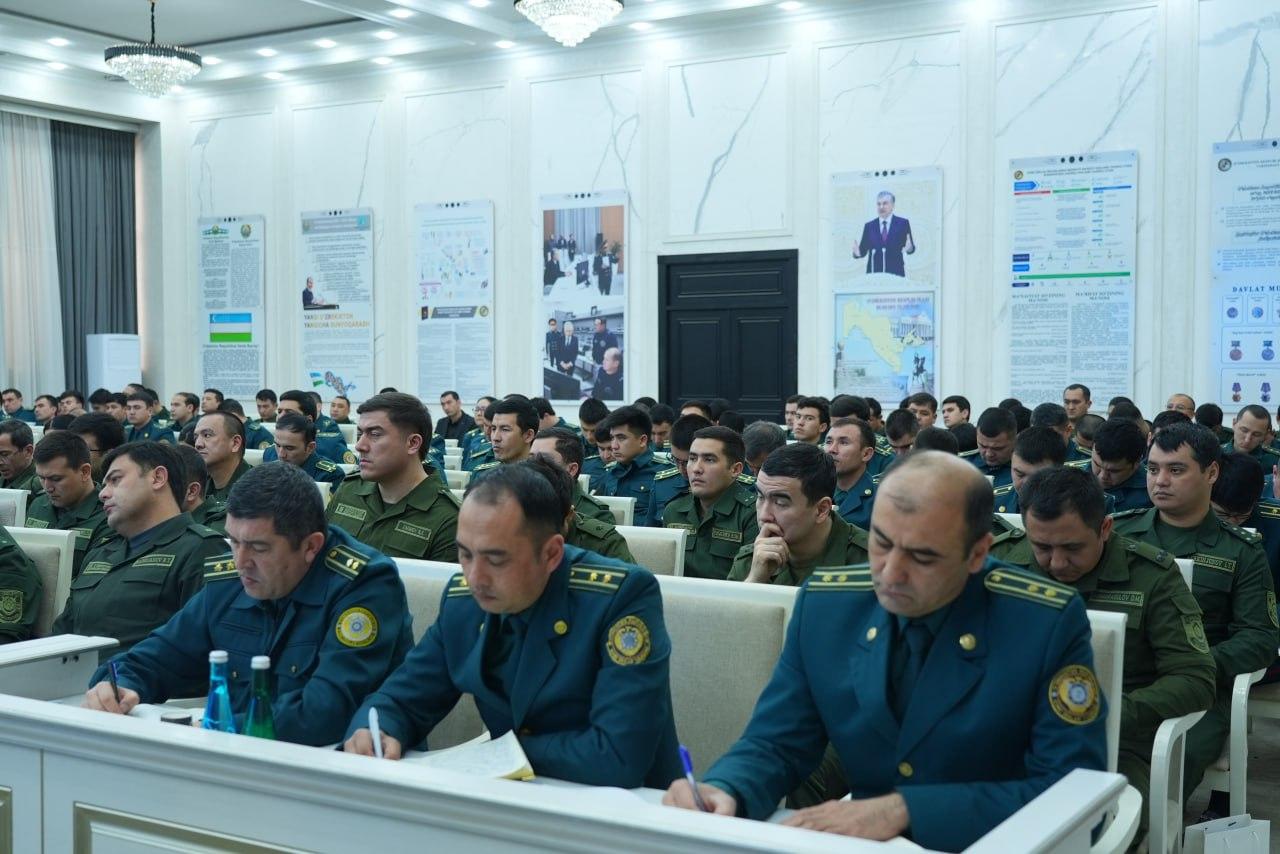
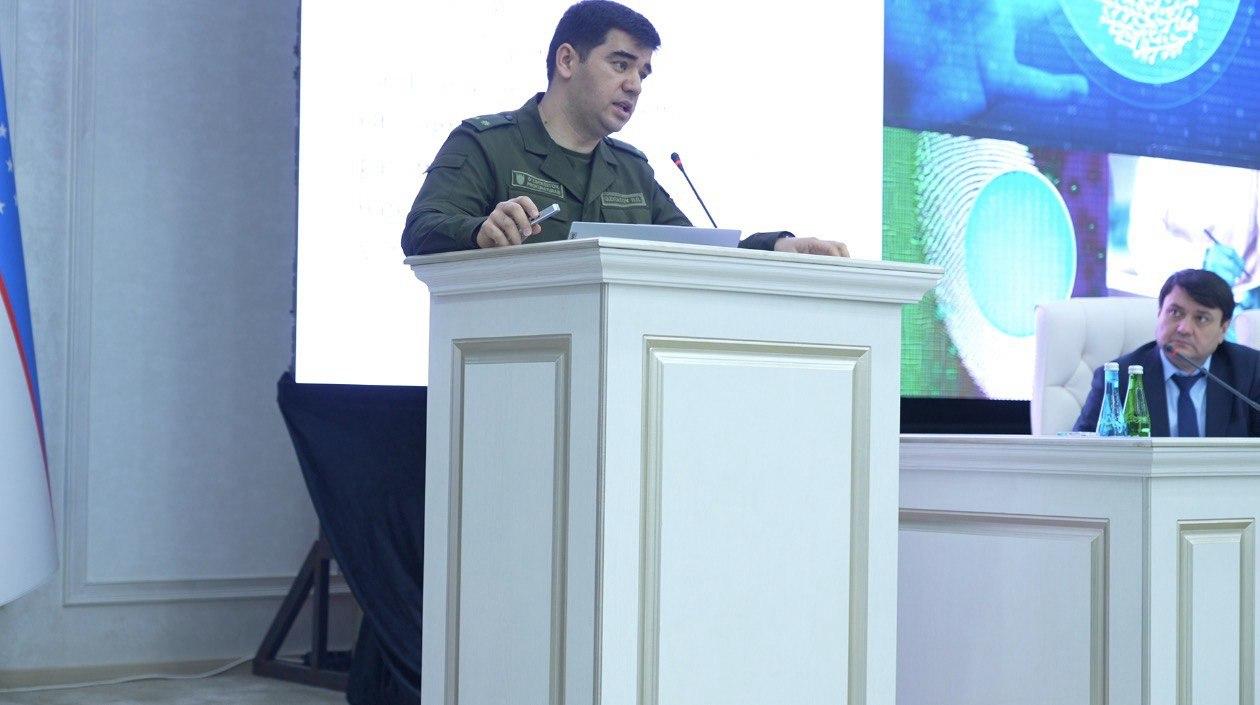
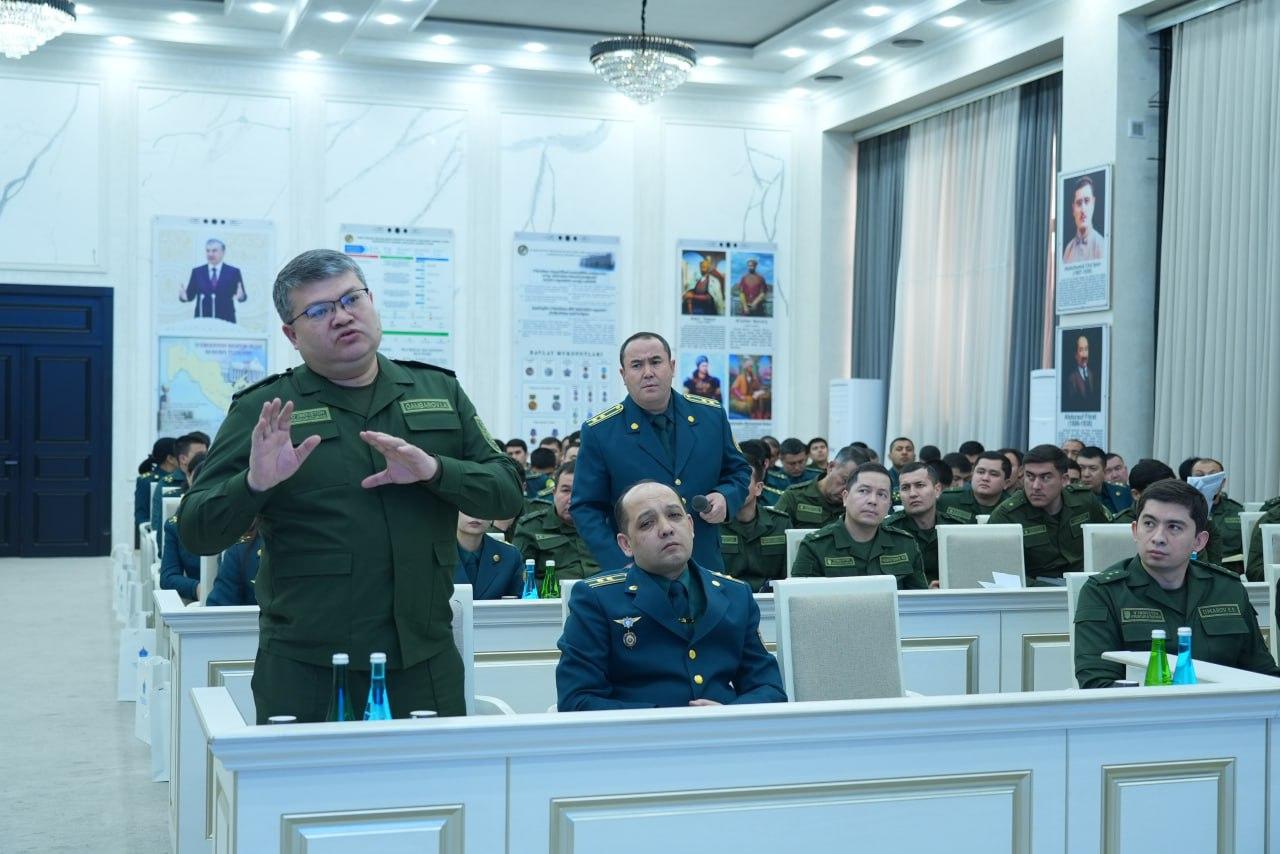
Based on these objectives, and at the initiative of the Huquqni muhofaza qilish akademiyasi, a training and practical seminar was organized in Farg‘ona viloyati with the participation of investigators from the прокуратура and internal affairs bodies.
The main goal of the seminar was to improve investigative processes, widely introduce modern approaches into case management, enhance the quality of evidence collection and evaluation, and strengthen investigators’ professional knowledge and practical skills.
During the event, particular attention was paid to detecting and investigating crimes committed using information technologies. Practical guidance was provided on identifying digital traces, properly documenting them procedurally, preserving and lawfully securing electronic data, and effectively using digital forensics tools in investigative actions.
In addition, discussions focused on ensuring rapid information exchange in combating cybercrime, maintaining the integrity of the chain of custody in digital environments, and addressing key considerations when working with electronic devices and online platforms.
Within the seminar, special emphasis was also placed on the role and importance of open-source intelligence (OSINT) in detecting and preventing crimes. Practical examples illustrated how to search, filter, and analyze open-source information, link it to investigative hypotheses, and properly document information relevant to a case.
The sessions were conducted in interactive formats — including discussions, case analyses, practical examples, and Q&A sessions — which helped strengthen participants’ theoretical knowledge, develop prompt and well-reasoned decision-making skills in practical situations, and expand opportunities for professional exchange.
Such training and practical seminars will continue to be regularly organized in the regions, providing scientific and practical support aimed at improving the quality and effectiveness of investigations and systematically enhancing the professional qualifications of personnel.