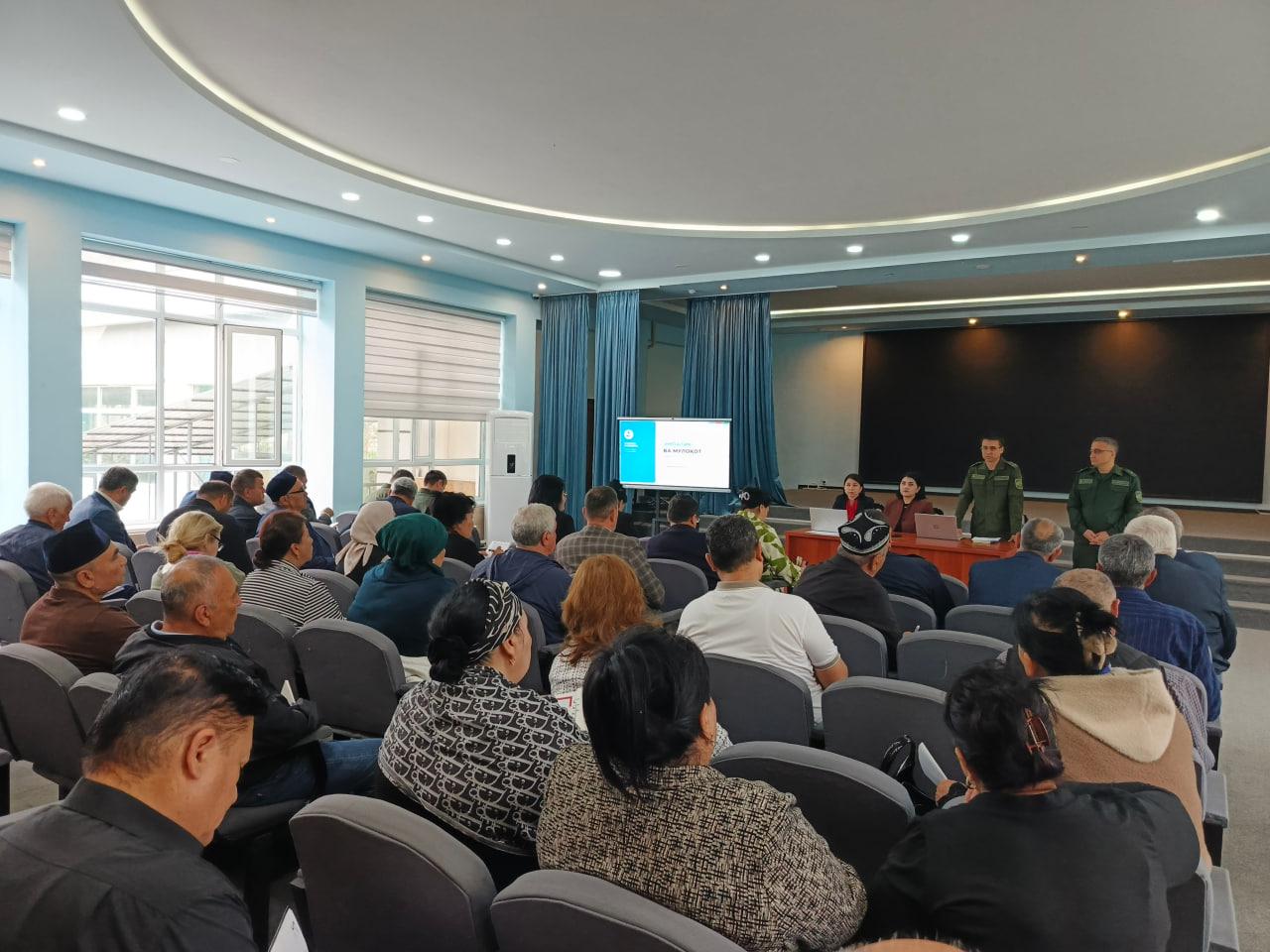
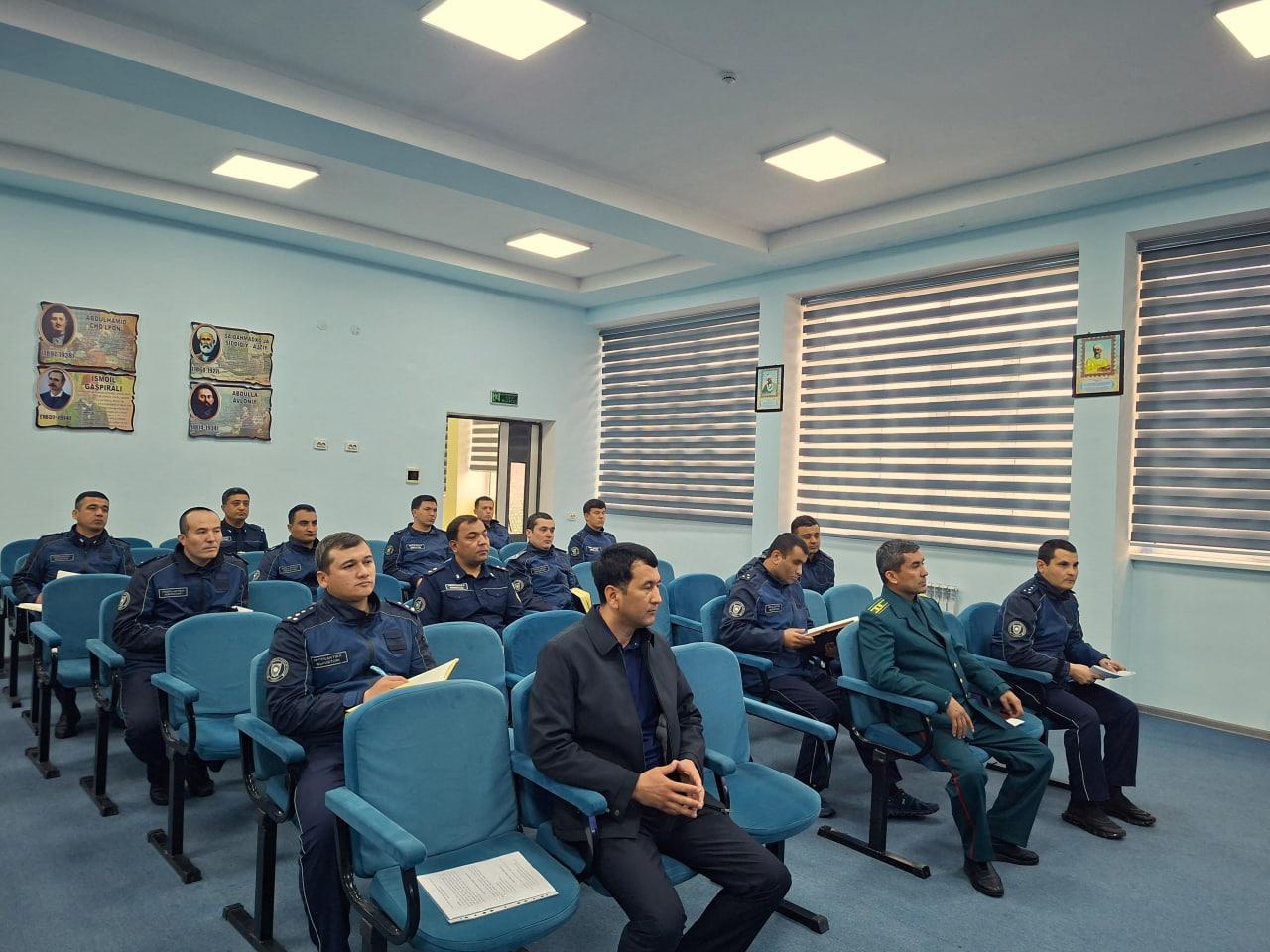

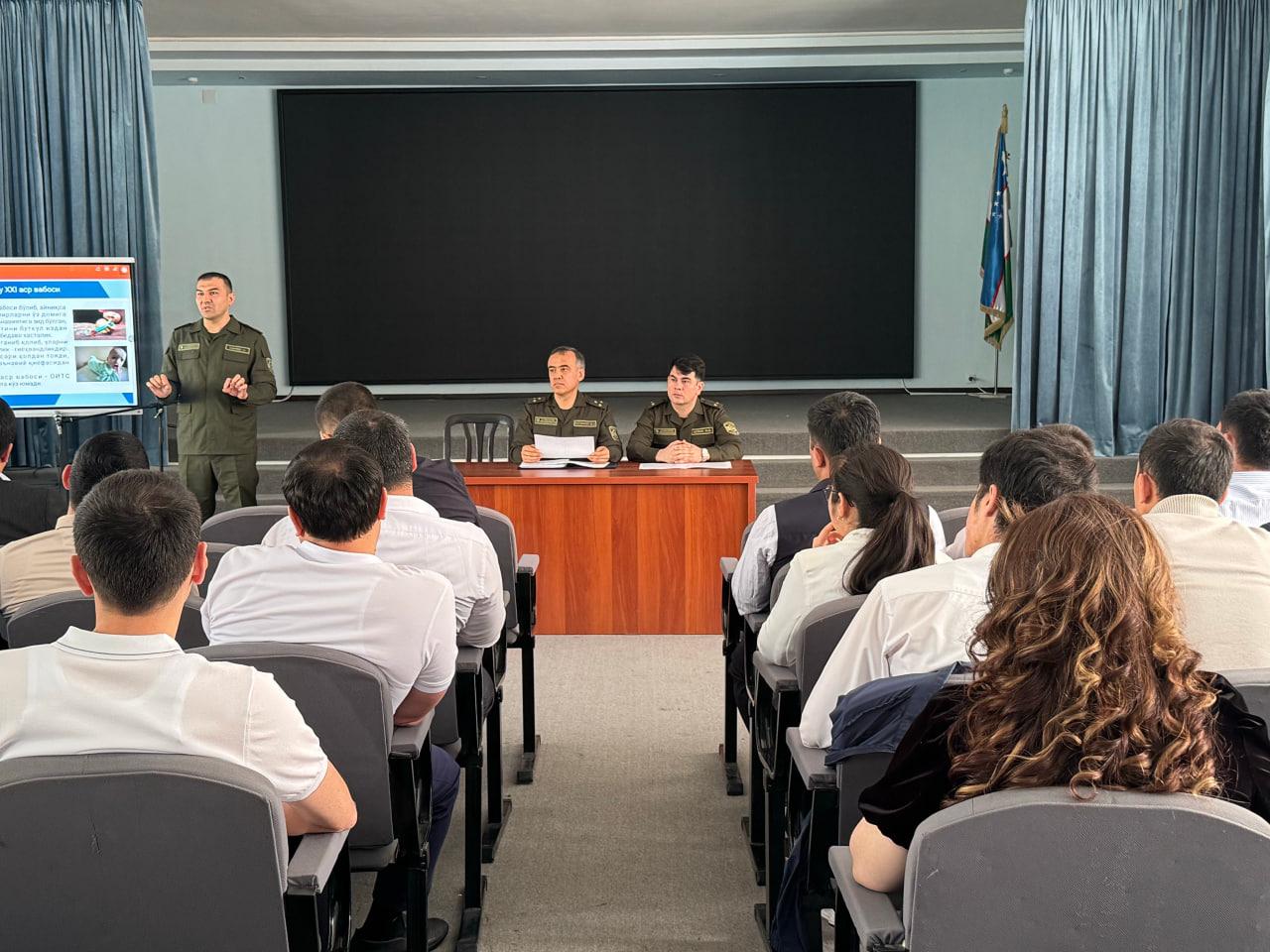
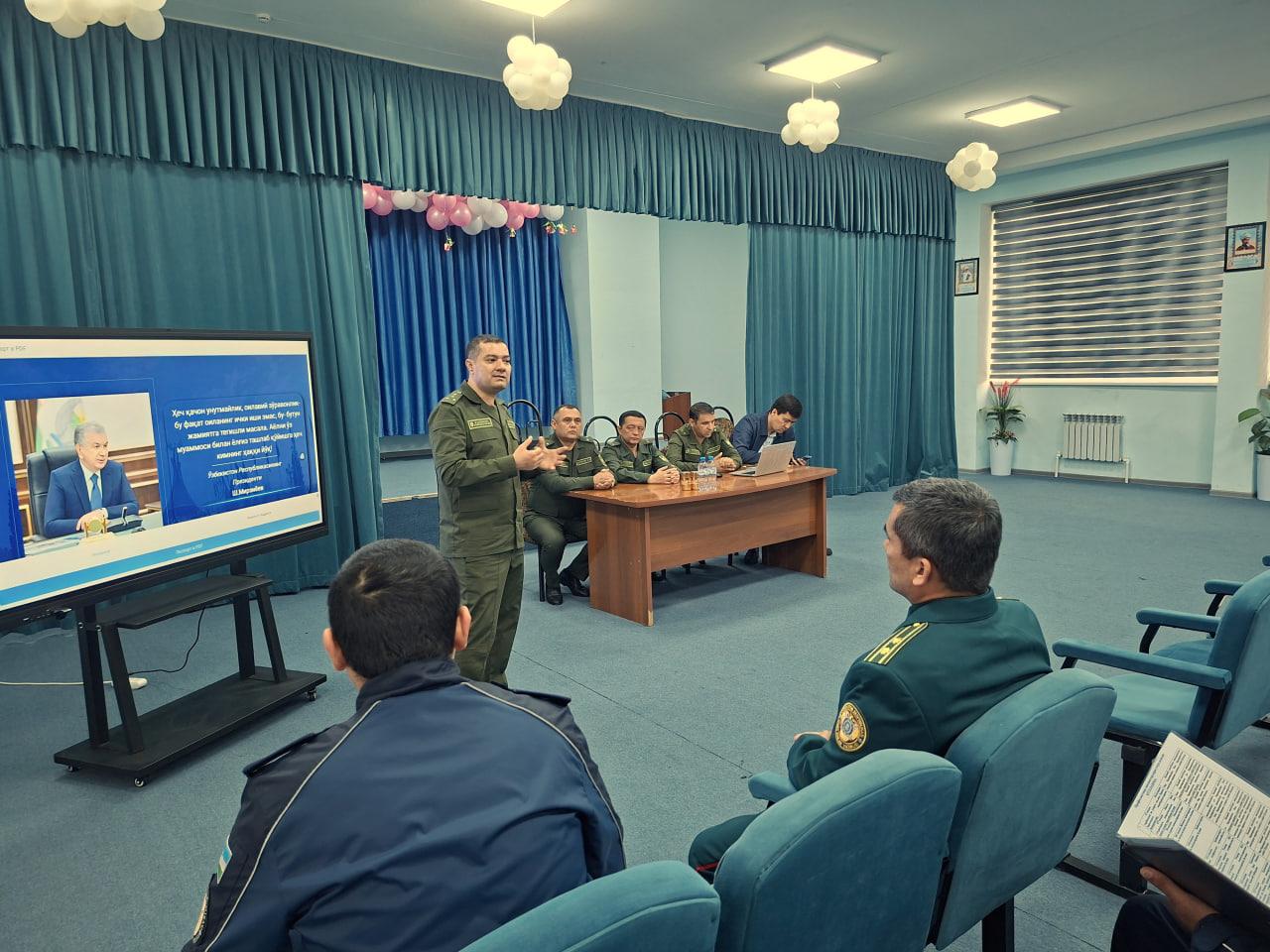
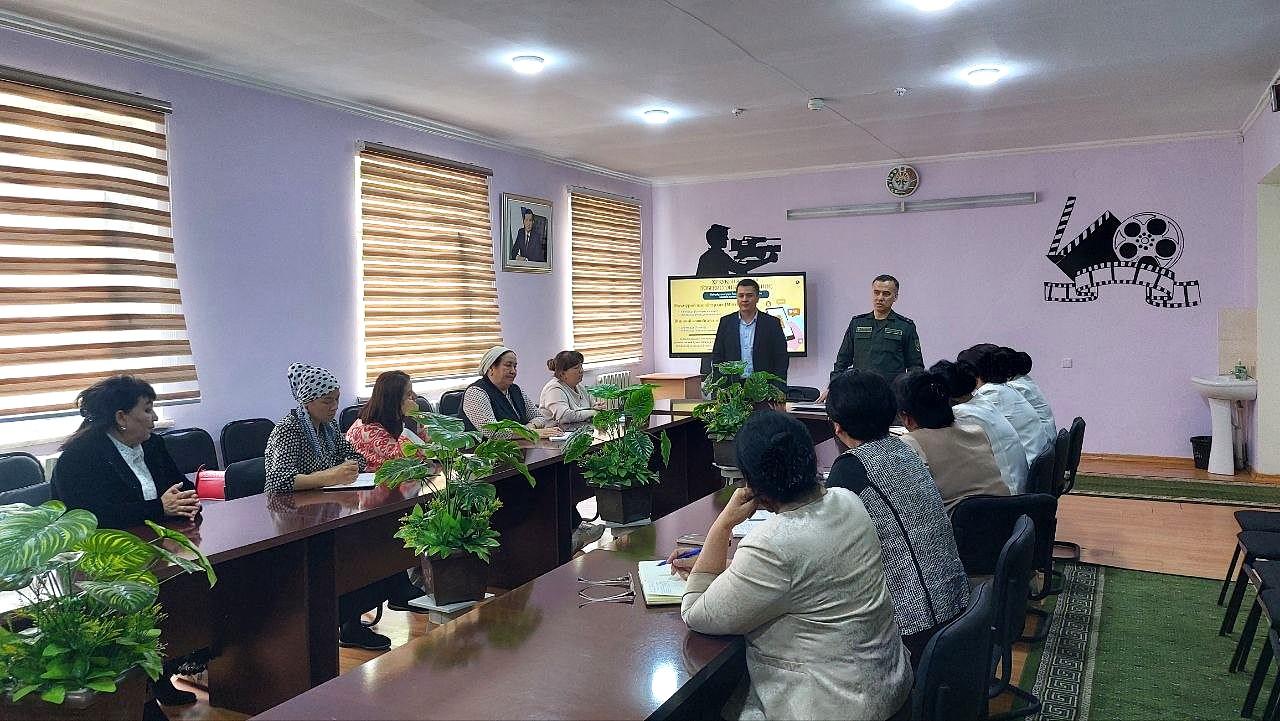
Within the framework of the implementation of the Presidential Resolution of the Republic of Uzbekistan dated January 5, 2026 (No. PQ-1), as well as the instructions given at the videoconference meeting held on January 27 of the current year, the Law Enforcement Academy of the Republic of Uzbekistan is organizing field-based training sessions. These sessions are aimed at developing modern management skills of the chairpersons of 136 mahalla citizens’ assemblies in Yashnabad, Shaykhantakhur, and Bektemir districts of Tashkent city assigned to the Academy, strengthening social stability in local communities, and accelerating digital transformation processes.
Training sessions in this area have also been organized under separate programs for other members of the “mahalla seven” — including assistant hokims, prevention inspectors, youth leaders, and women’s activists — with the participation of more than 600 personnel. In this way, the goal is to further strengthen multi-sectoral cooperation aimed at targeted engagement in mahallas, early identification of problems, and their prevention.
These training sessions and seminar-trainings, designed for a total of 10 weeks, are being conducted from April to June of the current year. The program includes modules such as “Early Prevention of Crime,” “Social Prevention,” “Combating Drug-Related Crimes,” “Administrative-Jurisdictional Activity,” “Practical Psychology,” “Problem-Oriented Sociology,” “Digital Literacy,” and “Formation of Cyber Culture.”
During the training process, the main focus is on strengthening the professional competencies of mahalla chairpersons and other participants, developing leadership skills, fostering the ability to make prompt and well-grounded decisions, working effectively in a digital environment, and improving the culture of delivering quality services to the population. At the same time, participants are provided with practical recommendations on using modern information systems and platforms, developing cyber culture, protecting against cyber threats, applying social prevention mechanisms in practice, working directly with the population, and addressing issues at an early stage.
At the end of the training, participants’ knowledge and skills will be assessed through final evaluation. Those who successfully complete the program are planned to be awarded certificates of professional development by the Academy.
These comprehensive training sessions play an important role in enhancing the ability of “mahalla seven” members to establish effective governance in their respective areas, perform their duties efficiently, engage with the population in a targeted and results-oriented manner, and adapt to the requirements of a digital society. The Academy continues to consistently implement practical measures aimed at creating a safe environment in mahallas and improving the effectiveness of early crime prevention systems.