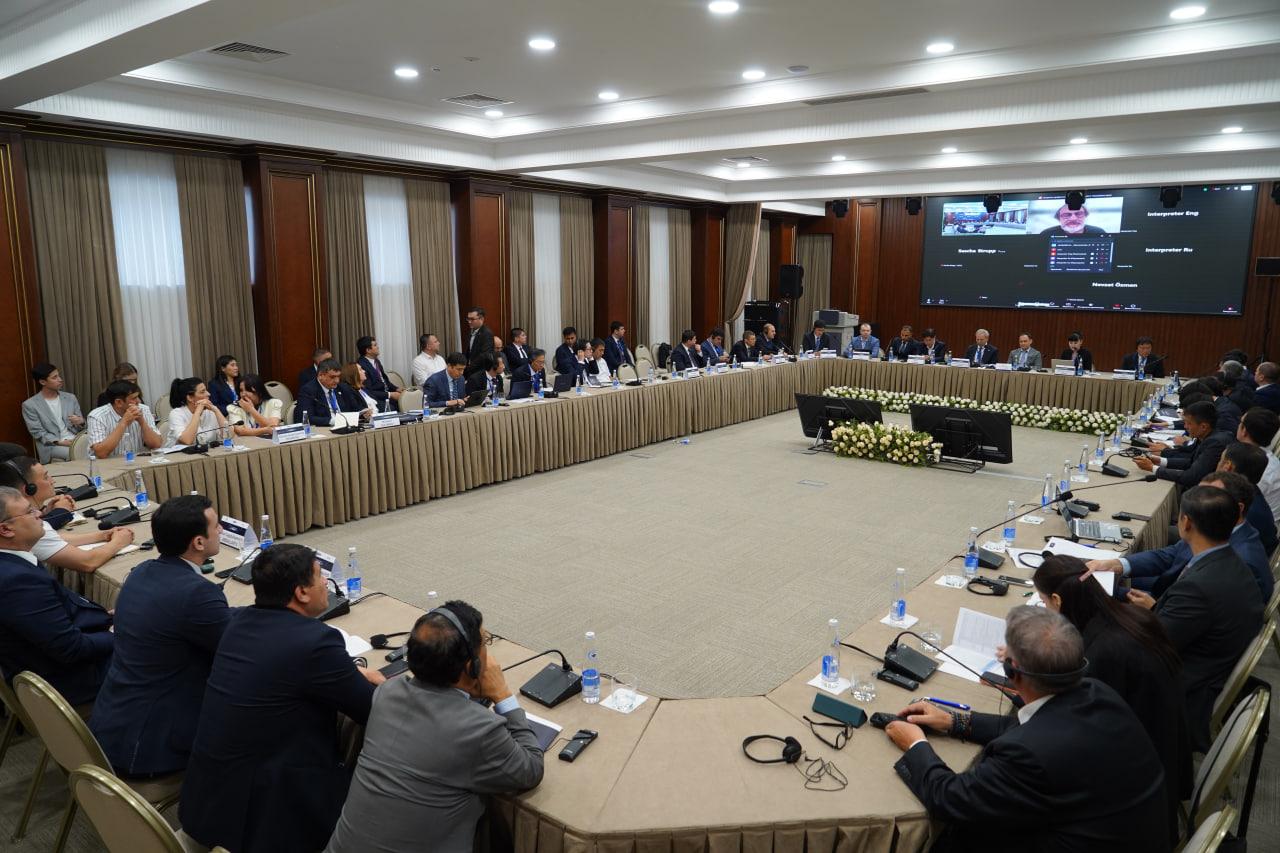
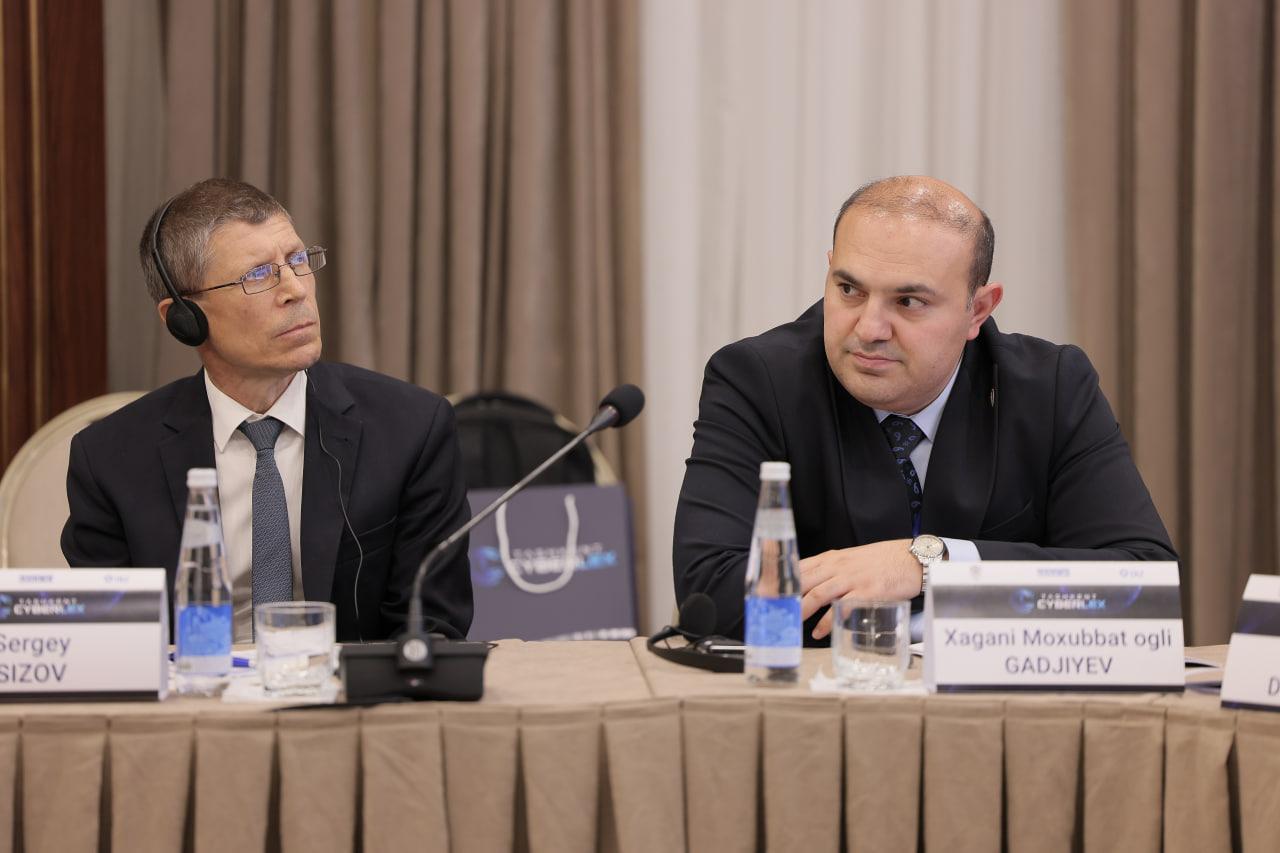
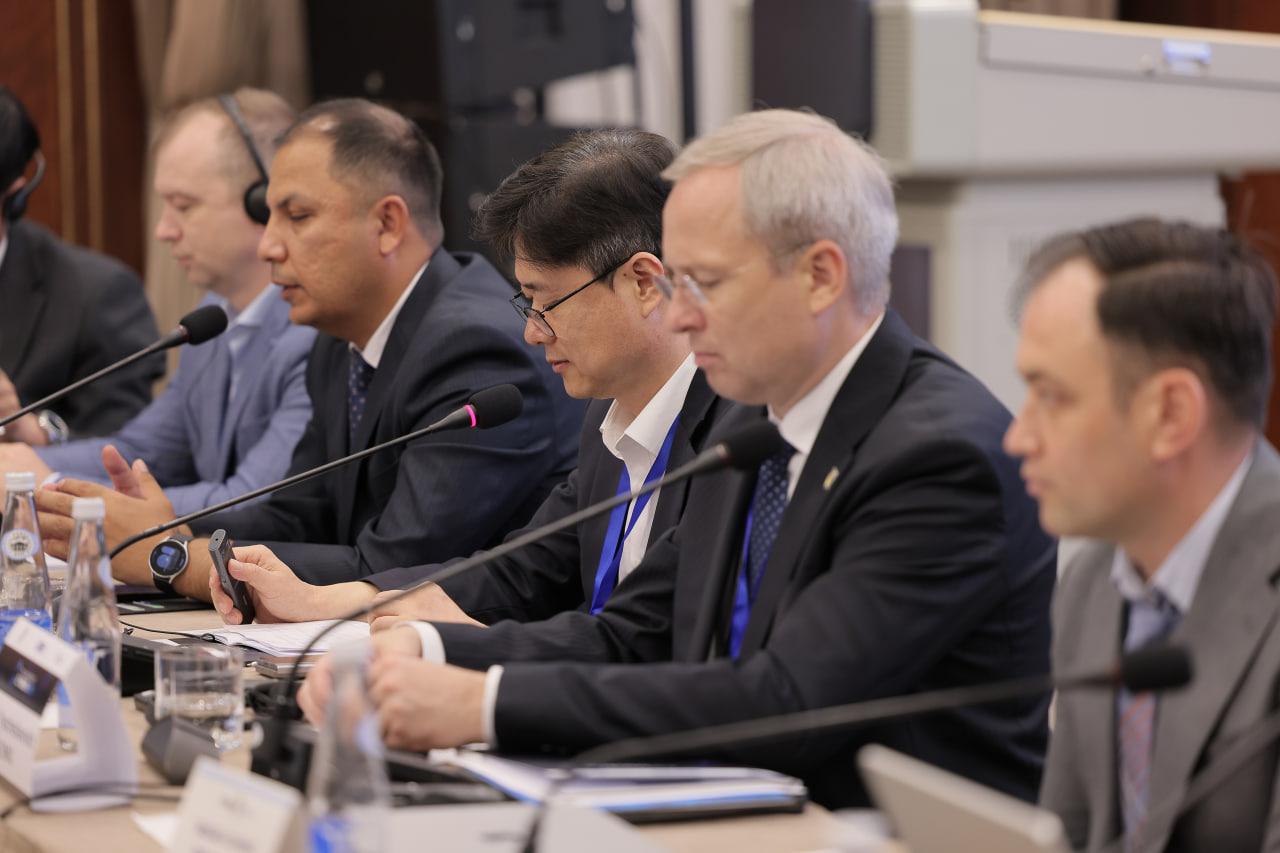
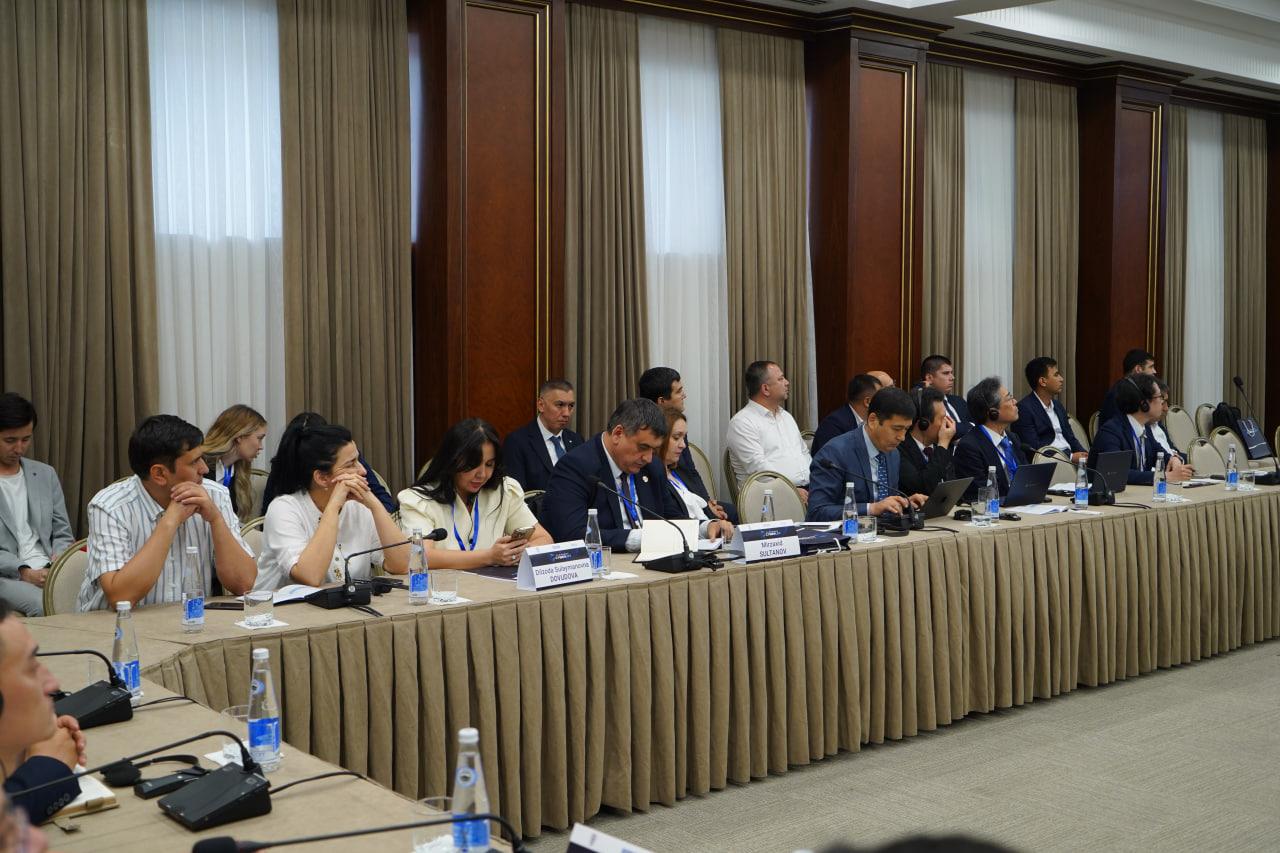
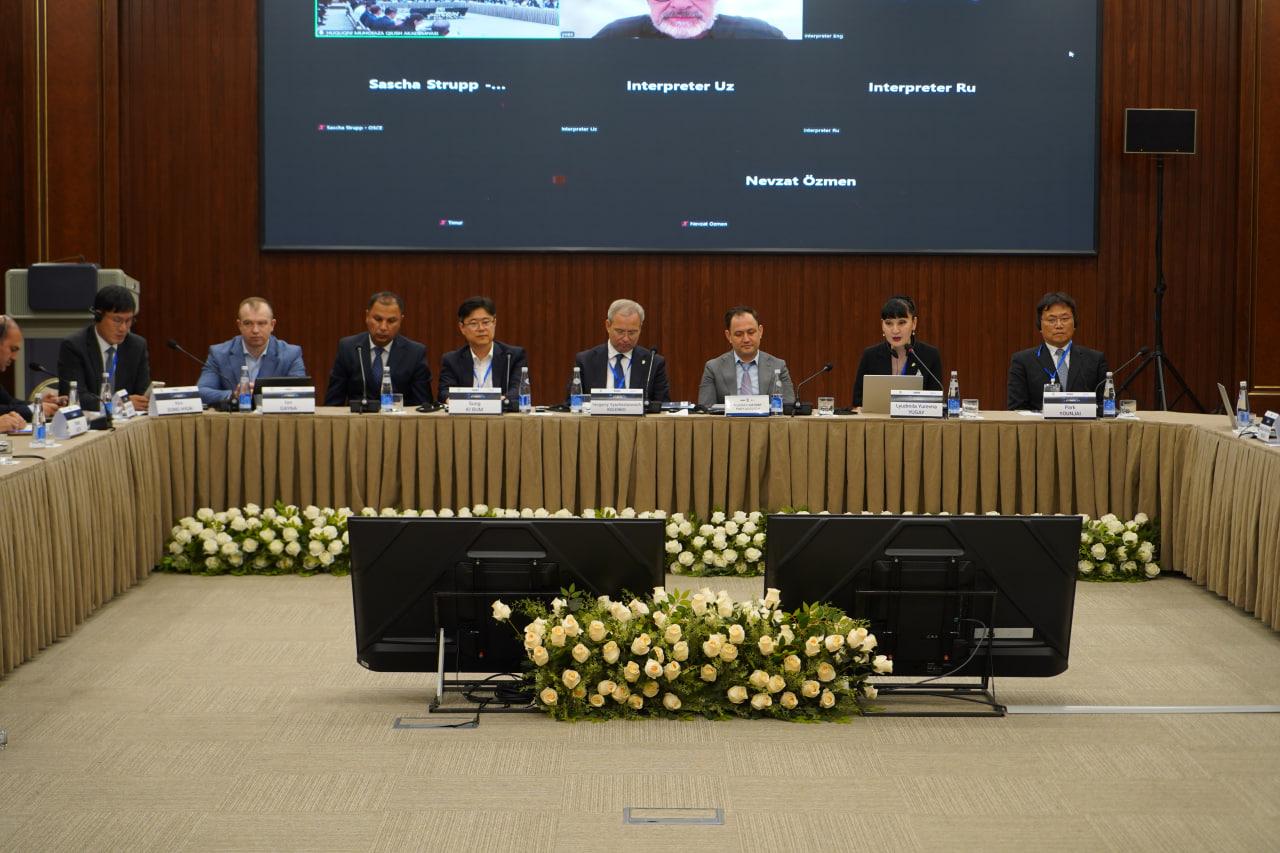
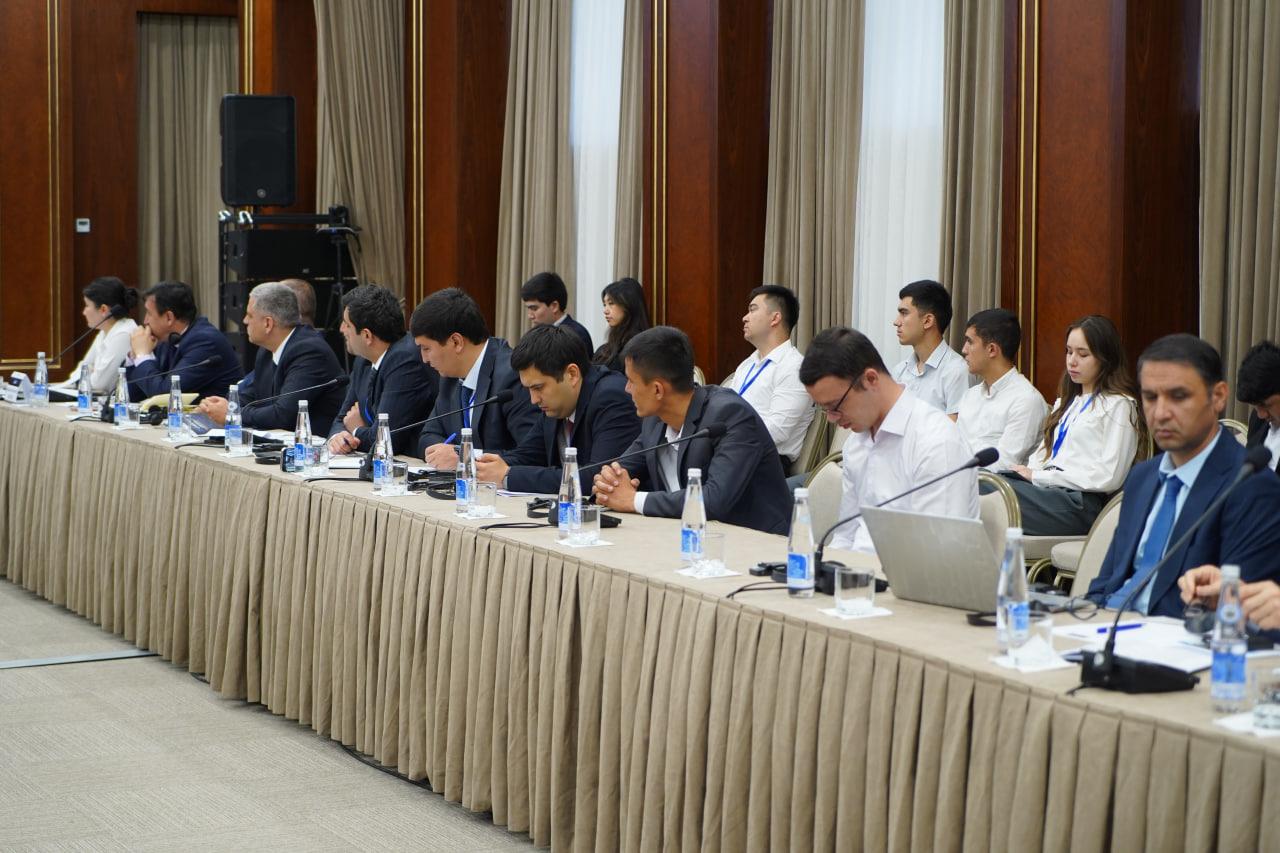

The second parallel session, organized within the framework of the international scientific and practical forum "TASHKENT CYBERLEX-2026," was dedicated to modern methods and tools of digital forensics and topical issues of combating cybercrime.
The session on "e-Crime: Modern Methods and Tools of Digital Forensics" became an authoritative expert dialogue platform aimed at discussing modern mechanisms for solving crimes committed in the digital environment, working with electronic evidence, and international legal cooperation.
The session was attended by representatives of INTERPOL, the Organization for Security and Co-operation in Europe, the UN Regional Centre for Cybercrime, the European Cyber Education and Training Network (ECTEG), law enforcement and forensic institutions of the Republic of Korea, the Netherlands, Moldova, Kazakhstan and Uzbekistan.
Particular attention was paid to the institutional foundations of digital forensics, the analysis of digital traces in the darknet environment using artificial intelligence, the detection of technological thefts and financial crimes, the training of cyber investigators through electronic training platforms, the role of INTERPOL notices and circulars in the practice of solving cybercrimes, as well as the political and legal consequences of using new technologies in the law enforcement system.
Within the framework of the session, Sun Ki Bom, Director of the Digital Forensics Association under the National Police Agency of the Republic of Korea, Umit Seitjan and Murad Bayramli, legal experts from the INTERPOL Executive Directorate, Sasha Strupp, an expert from the OSCE Secretariat, Matthew David Watson, an expert from the UN Regional Centre for Combating Cybercrime in Doha, and other international experts presented best international practices in digital investigations and the fight against cybercrime.
Uzbek and foreign experts also discussed legal policy against cybercrime, the "E-ekspertiza" electronic document management system, the fight against digital financial fraud, and practical approaches to the development of forensic expertise based on high technologies.
It was noted that the development of digital technologies also complicates the forms of cybercrime. Therefore, the formation of reliable mechanisms for working with digital evidence, the training of expert personnel, and the strengthening of international cooperation are among today's priority tasks.
The second parallel session, as one of the most practical and international cooperation-oriented discussion platforms of the "TASHKENT CYBERLEX - 2026" forum, brought together best practices, innovative technologies, and legal approaches in the field of combating cybercrime.