

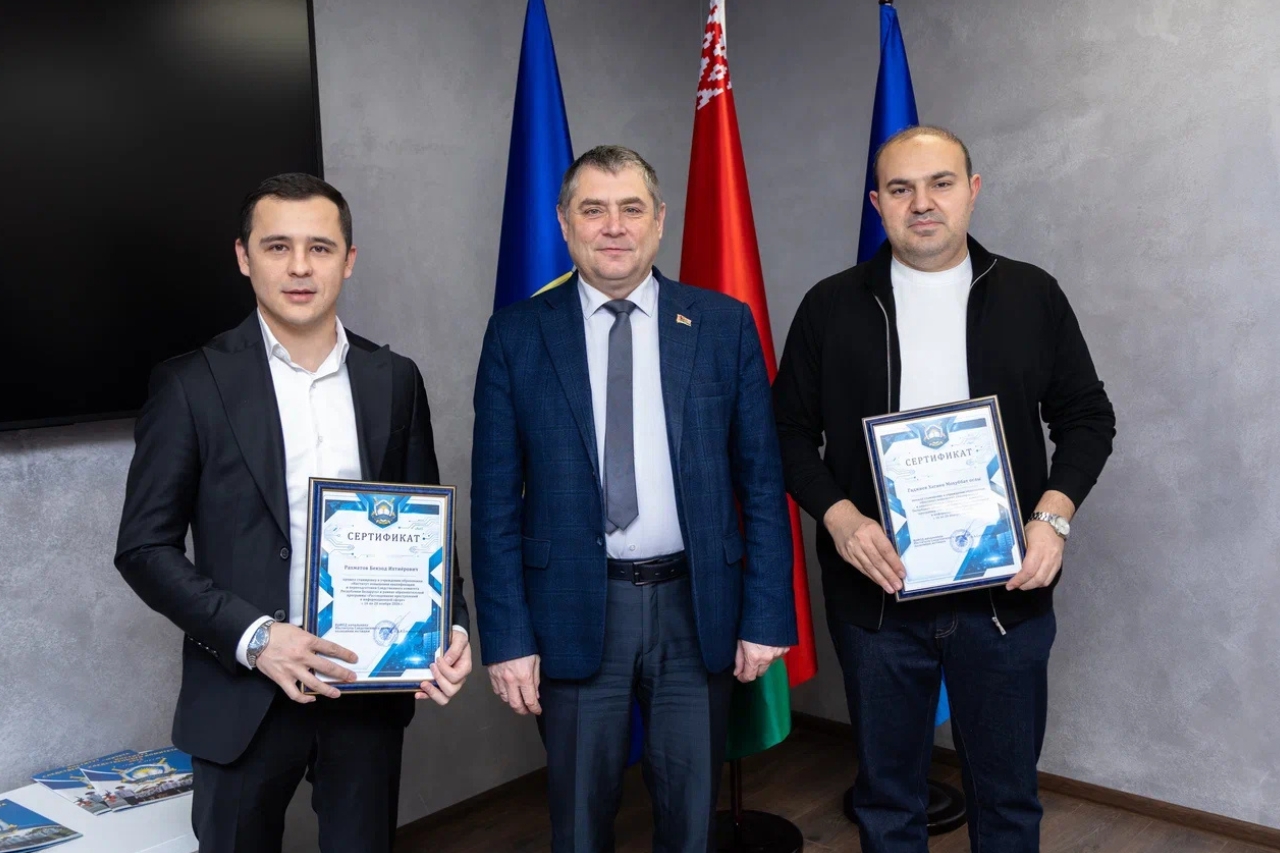
Representatives of the Law Enforcement Academy of the Republic of Uzbekistan completed an internship at the Institute for Advanced Training and Retraining of the Investigative Committee of the Republic of Belarus. During the internship, they took part, alongside their Belarusian colleagues, in investigative activities related to criminal cases involving online fraud and presented the Academy’s research and methodological developments in digital forensics.
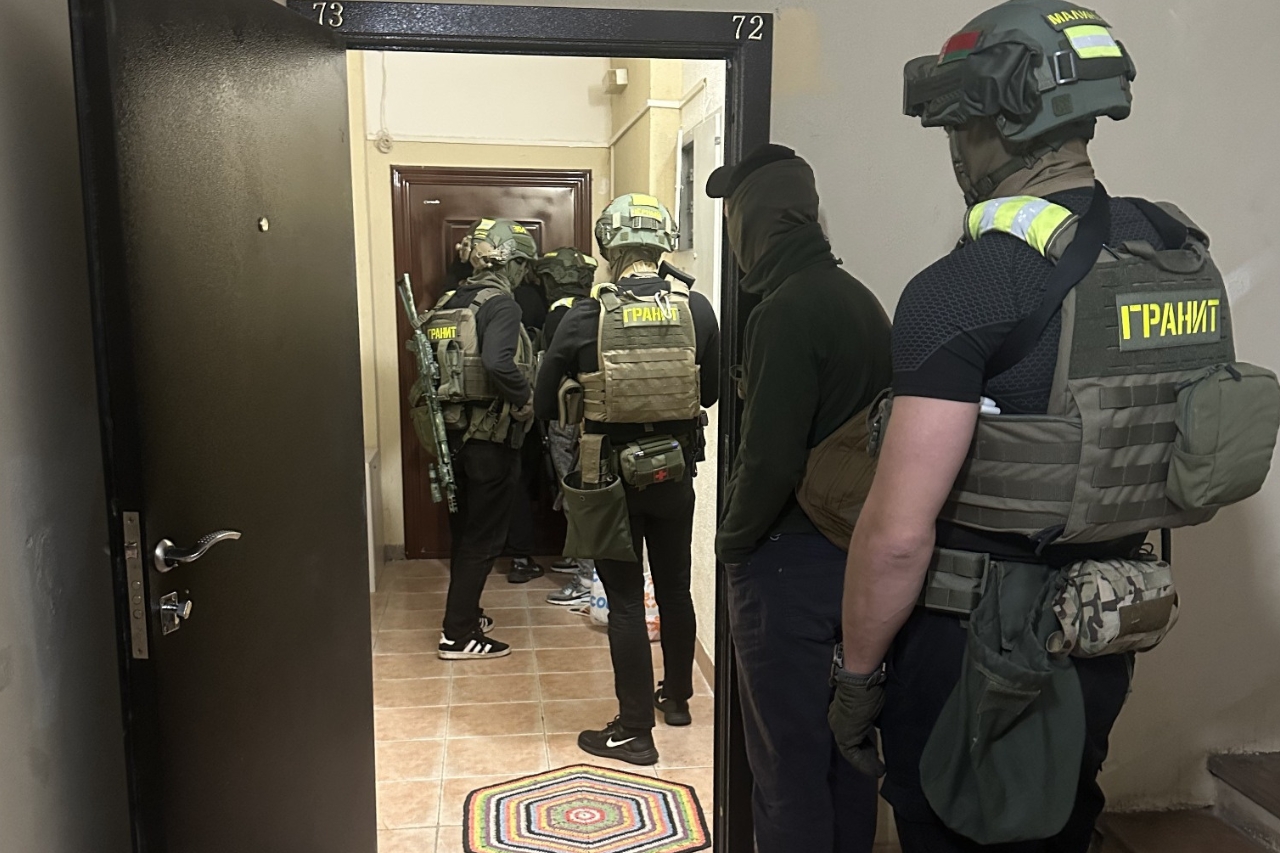
The practical component of the programme included participation in searches and other investigative activities in criminal cases involving the operations of call centres engaged in fraud and organised groups committing fraud via the internet. Particular attention was paid to investigative tactics, the use of forensic tools, the identification and documentation of digital traces, as well as the seizure of materials and their use in building an evidence base.
At the Main Directorate for Digital Development of Preliminary Investigations of the Investigative Committee’s Central Office, the Academy representatives familiarised themselves with the practical application of automated information systems. They examined how these systems are used to analyse forensically relevant information, identify links between participants in criminal schemes, and provide investigators with analytical information.
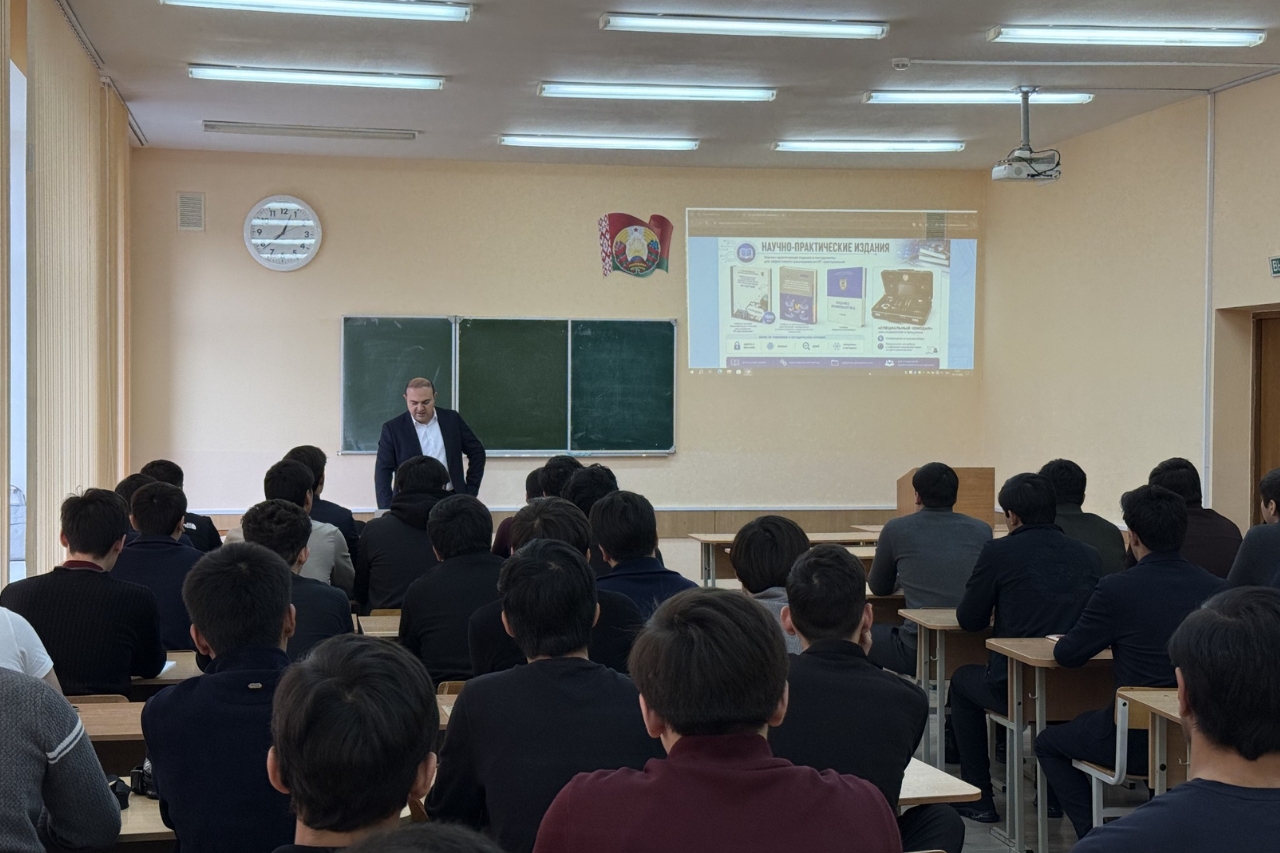
At the final stage of the internship, the Academy representatives delivered a lecture for their Belarusian colleagues. They shared Uzbekistan’s experience in examining digital evidence and discussed the application of the Academy’s developments and specialised knowledge in digital forensics in the investigation of crimes committed using information technologies. The participants also discussed ways to improve investigative and forensic examination practices.
The experience gained in Belarus in handling digital evidence can be used in the Academy’s training programmes and research and methodological work aimed at improving methods for investigating cybercrime. Following the internship, the parties emphasised the importance of continuing cooperation in professional training, research, and the exchange of forensic methodologies.