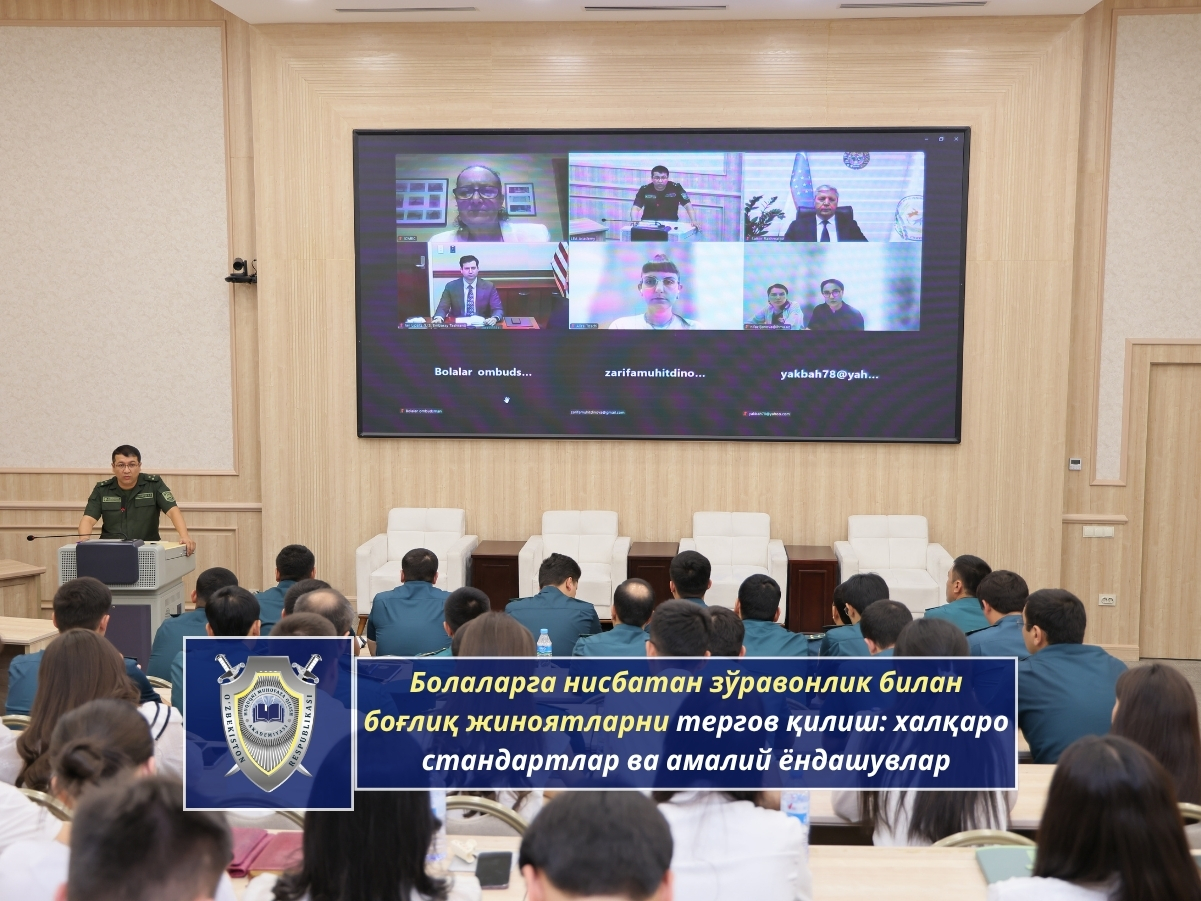
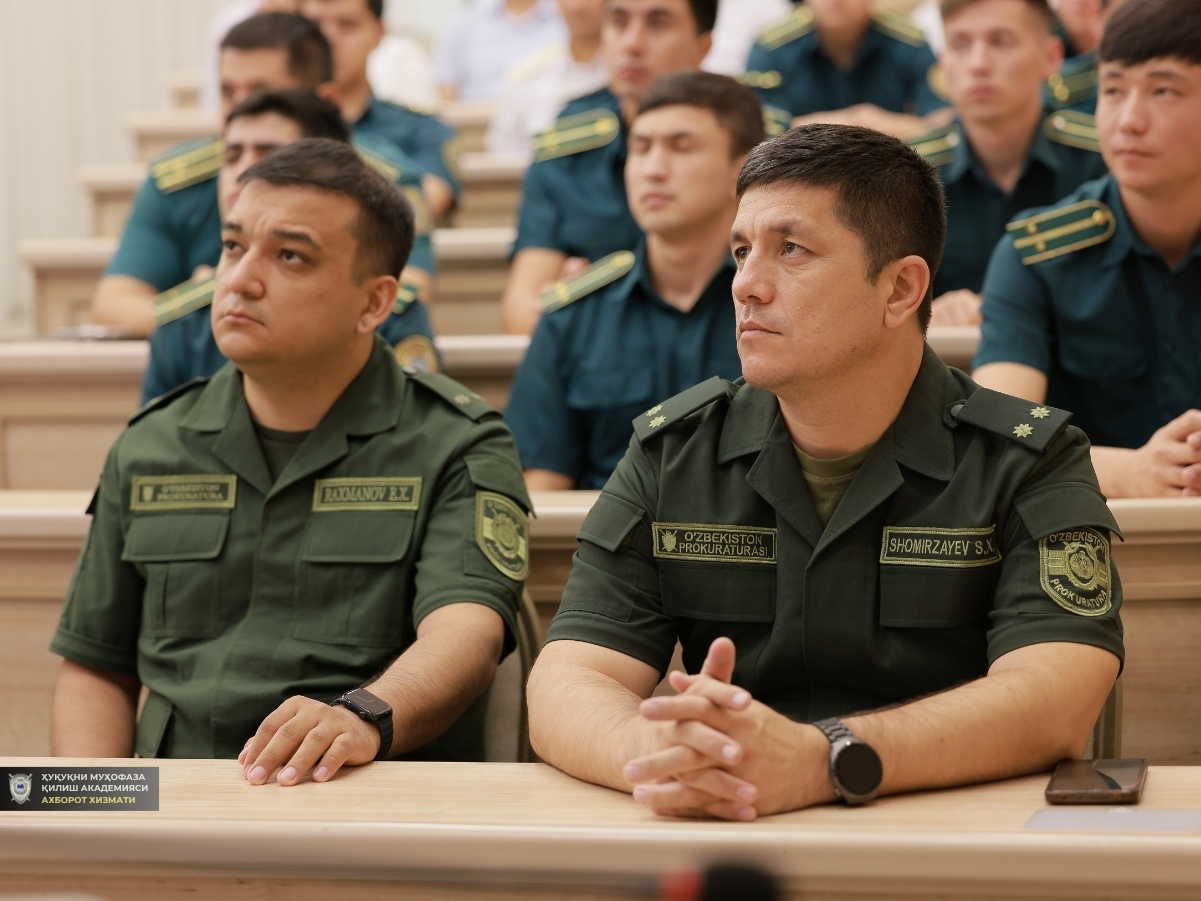

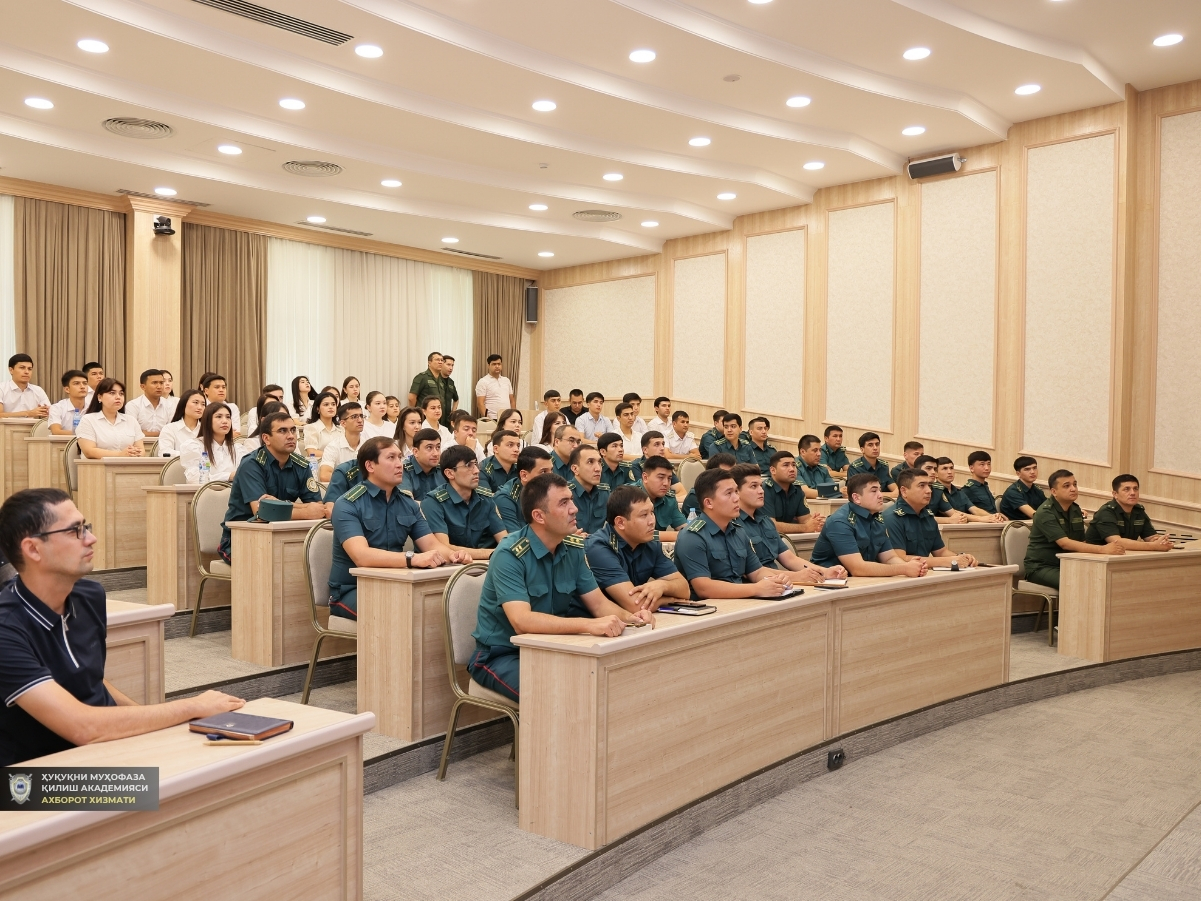
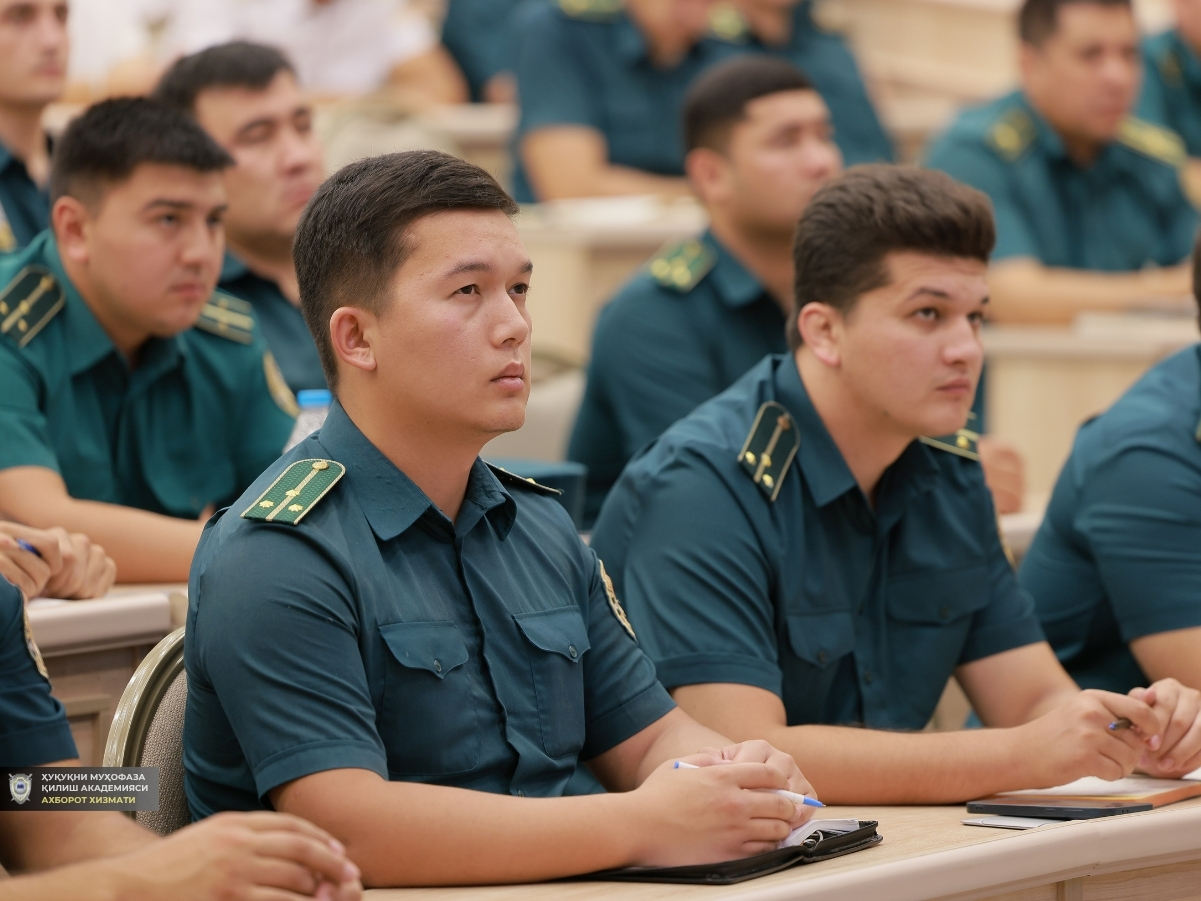
An international training on modern methods of investigating crimes involving violence against children was held at the Law Enforcement Academy of the Republic of Uzbekistan for specialists of law enforcement agencies and the social protection system.
The event was organized by the Academy in cooperation with the Commissioner for Children's Rights – the Children's Ombudsman and the National Agency for Social Protection under the President of the Republic of Uzbekistan within the framework of the Strategy for the Protection of Children from All Forms of Violence for 2026–2030, approved by Decree of the President of the Republic of Uzbekistan No. PF–256 of 24 December 2025.
The training sessions were conducted online by Trisha Fitz, an expert of the International Centre for Missing & Exploited Children – ICMEC (USA). The training brought together investigators of the Ministry of Internal Affairs, members of the Academy's faculty, as well as 168 social workers of the National Agency for Social Protection from all regions of the country.
The training focused on the proper organization of procedural actions, taking into account the age, psychological condition and best interests of a child affected by violence, establishing effective communication, and preventing secondary psychological trauma. Practical approaches to the application of the NICHD International Investigative Interview Protocol, the Barnahus model, and the principles of child-friendly justice were discussed.
The participants also considered issues related to the identification and legal assessment of online grooming, cyberbullying, sextortion and other digital threats to children, as well as ensuring effective cooperation among law enforcement agencies, social services, psychologists, healthcare institutions and educational institutions.
The analysis of practical case studies and procedural situations enabled participants to examine typical mistakes encountered when working with children and to develop effective response algorithms. The approaches studied during the training will contribute to improving the quality of investigative actions involving children, ensuring the reliable protection of their rights and legitimate interests, and preventing the secondary victimization of child victims.