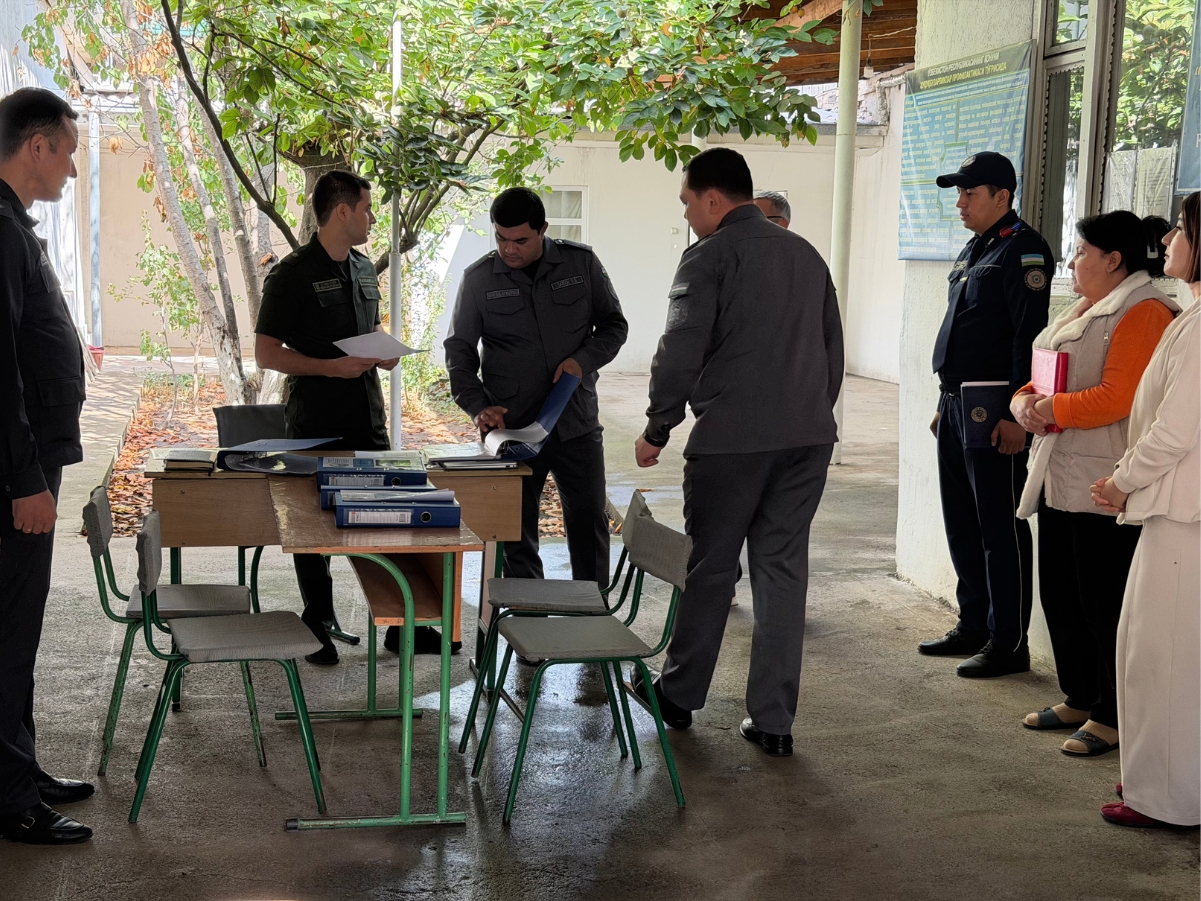
Seven of the eight mahallas in the cities of Angren and Olmaliq assigned to the Law Enforcement Academy have moved out of the “red” category: three have moved to the “green” category and four to the “yellow” category. This result was recorded following joint scientific and practical work by the Academy and law enforcement bodies of Tashkent Region, as well as measures taken to implement the recommendations developed in practice.
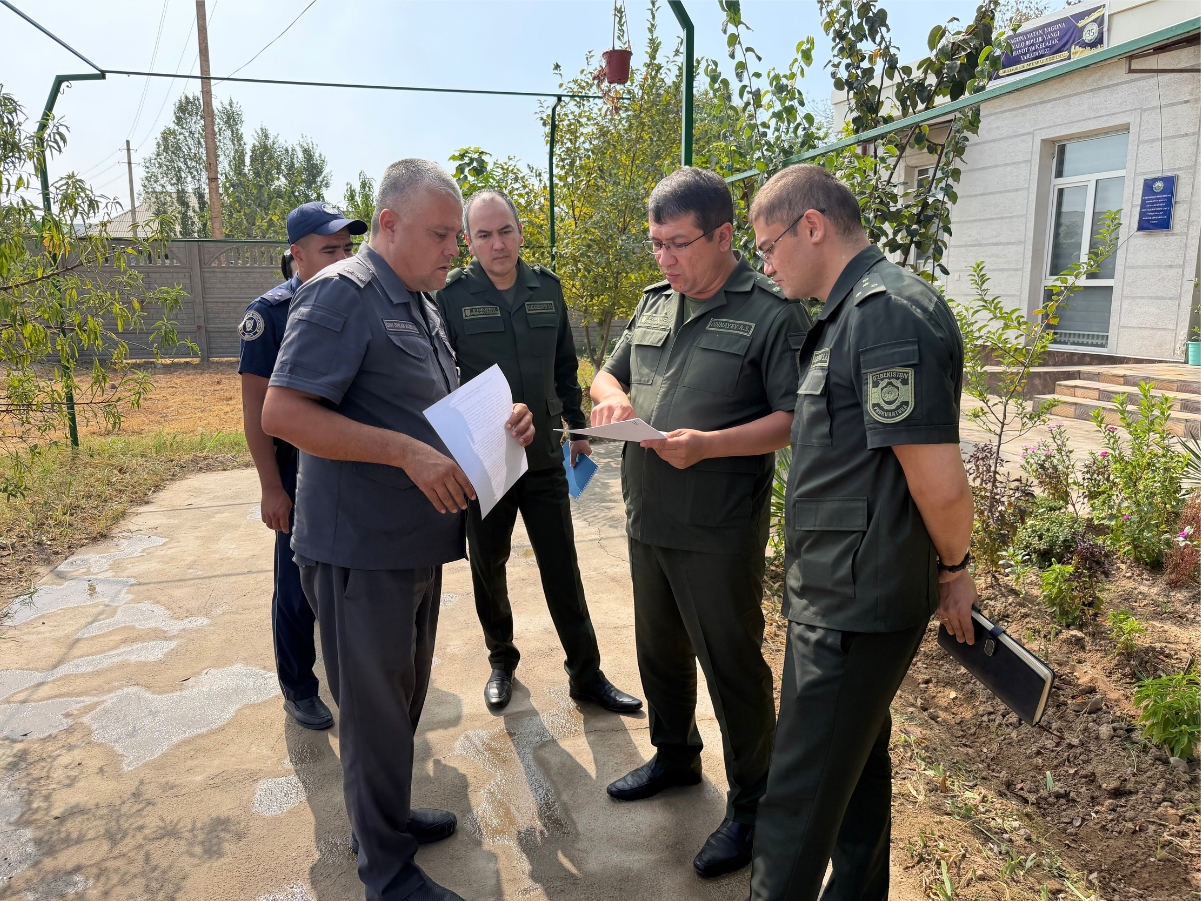
Within the framework of implementing Resolutions No. PQ–1 and PQ–2 of the President of the Republic of Uzbekistan dated 5 January 2026, a working group led by A. S. Odinaev, Deputy Head of the Academy, conducted comprehensive studies in these mahallas, which had remained in the “red” category for three years. Based on the principle of “scientific conclusion – recommendation – result”, the causes and factors of crime, conditions contributing to offences, social and household problems, and the application of preventive measures were analysed.
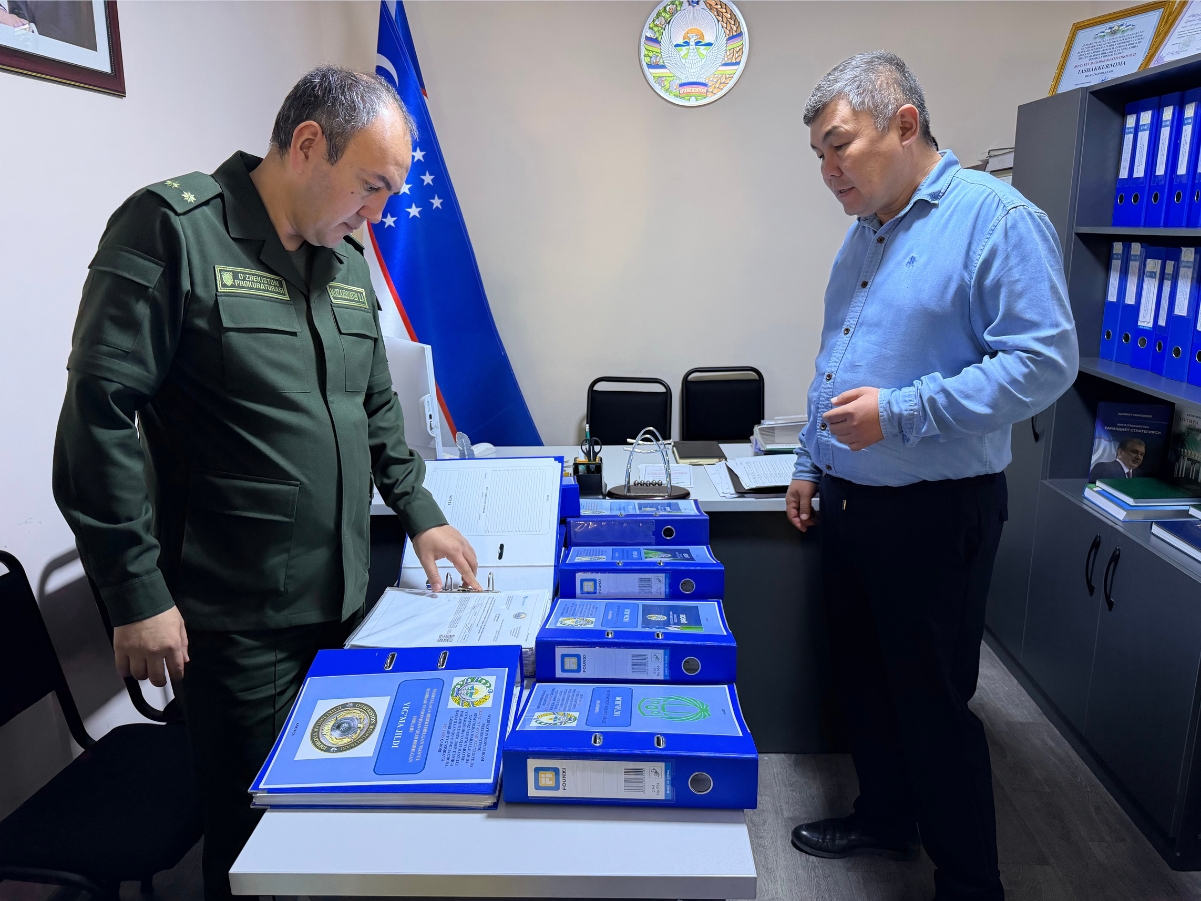
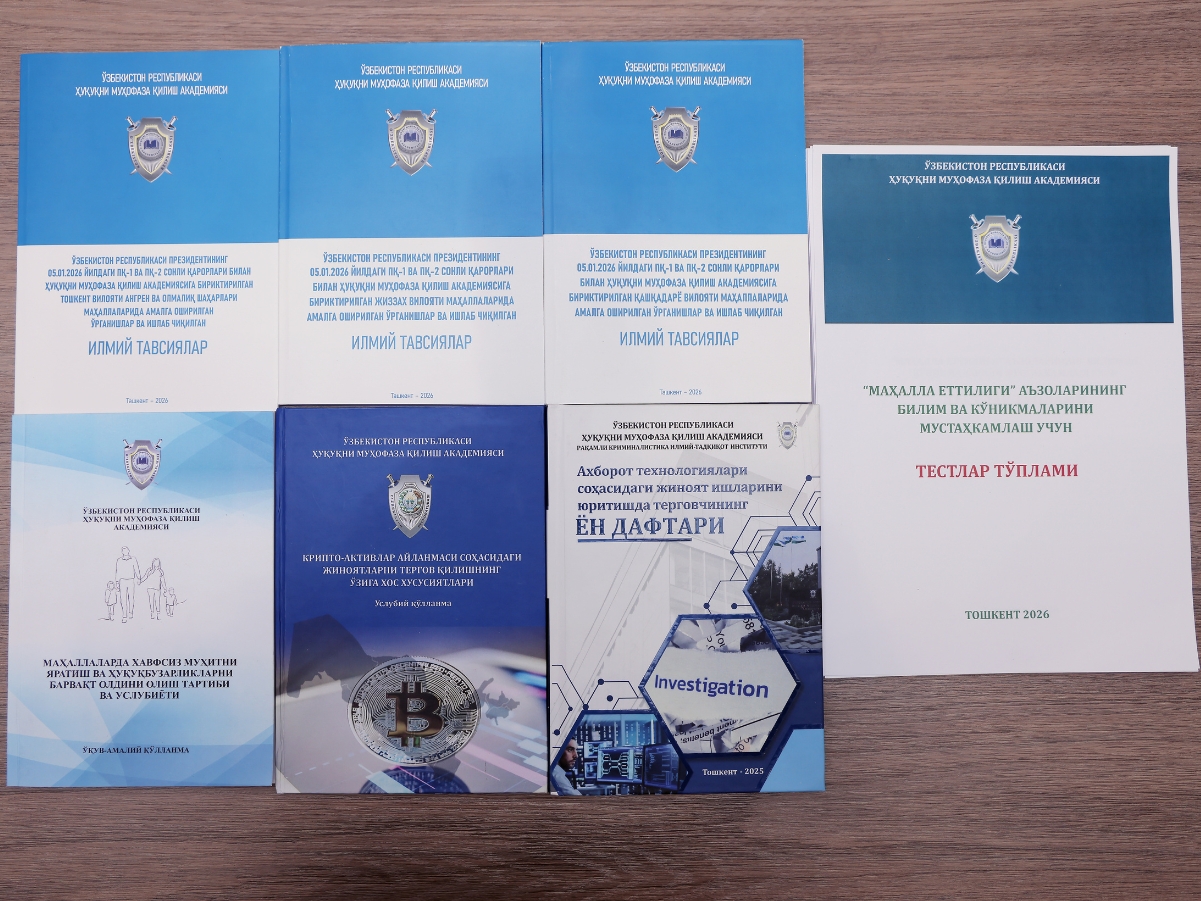
Based on an analysis of 176 crimes committed in 2023–2025, practical recommendations were developed for the mahallas. They were compiled into a guide covering organisational and criminological measures and prevention strategies and presented to members of the “mahalla seven” and the relevant headquarters.
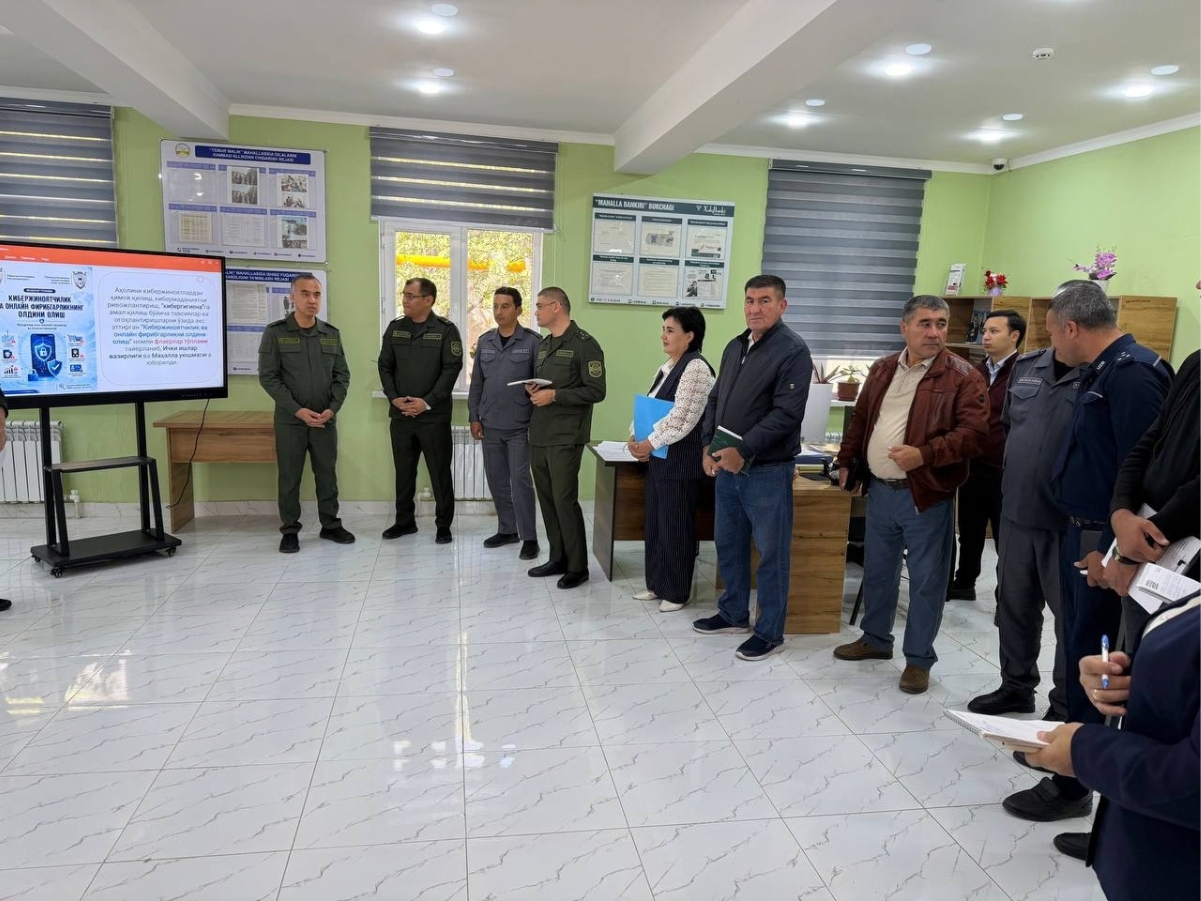
The Academy prepared a total of 18 methodological guides and recommendations. They covered issues of early crime prevention, analysis of the criminogenic situation, inquiry and investigative practice, and legal awareness. Particular attention was paid to the prevention of crimes involving bodily injuries, cybercrime and online fraud.
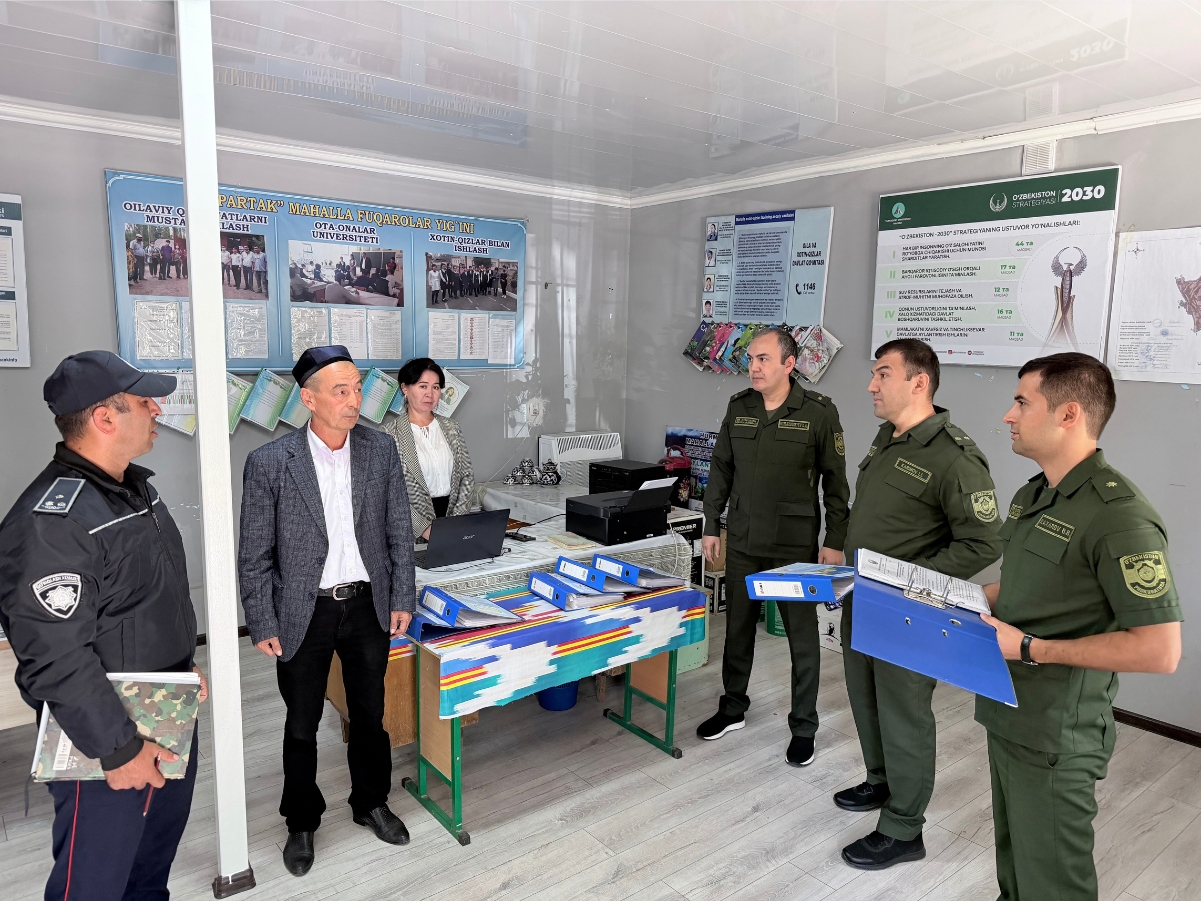
Seminar trainings and short-term professional development courses were conducted for mahalla personnel on the practical application of scientific recommendations. The sessions also addressed practical issues related to conflict resolution, stress management and maintaining psychological resilience in non-standard situations.
To strengthen the professional knowledge of members of the “mahalla seven”, an electronic Quiz bot programme and a collection of tests were developed, along with an electronic checklist reflecting the functional responsibilities of each representative. The electronic tools were sent to the mahallas through regional prosecutor’s offices. Conclusions and proposals prepared on the basis of the daily analysis of the criminogenic situation are being used to direct preventive measures towards problems identified at the local level.