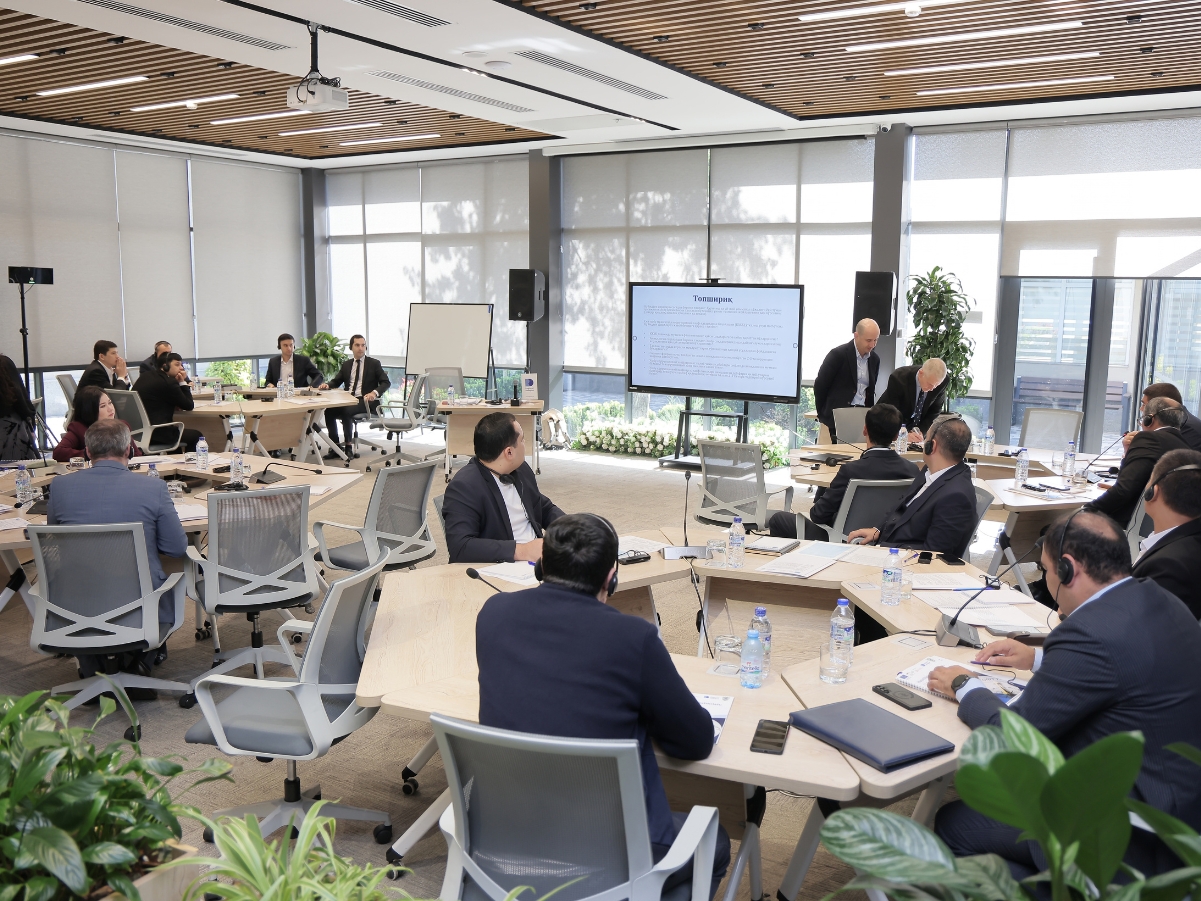

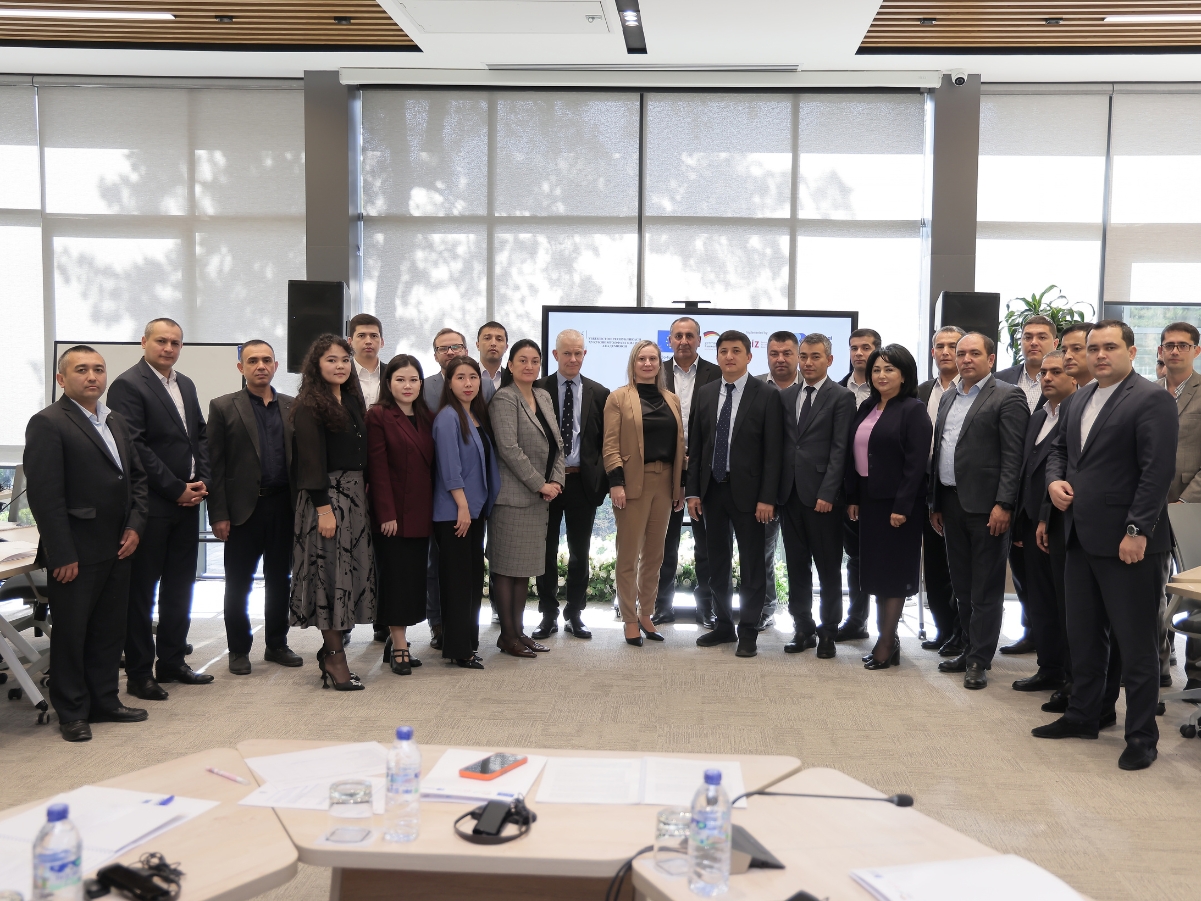
A two-day training course aimed at developing anti-corruption plans for government bodies and organisations based on identified risks is being held at the Law Enforcement Academy of the Republic of Uzbekistan. The sessions are designed to enhance the practical skills of employees of compliance control units and structures responsible for combating corruption in identifying and assessing risks and determining preventive measures.
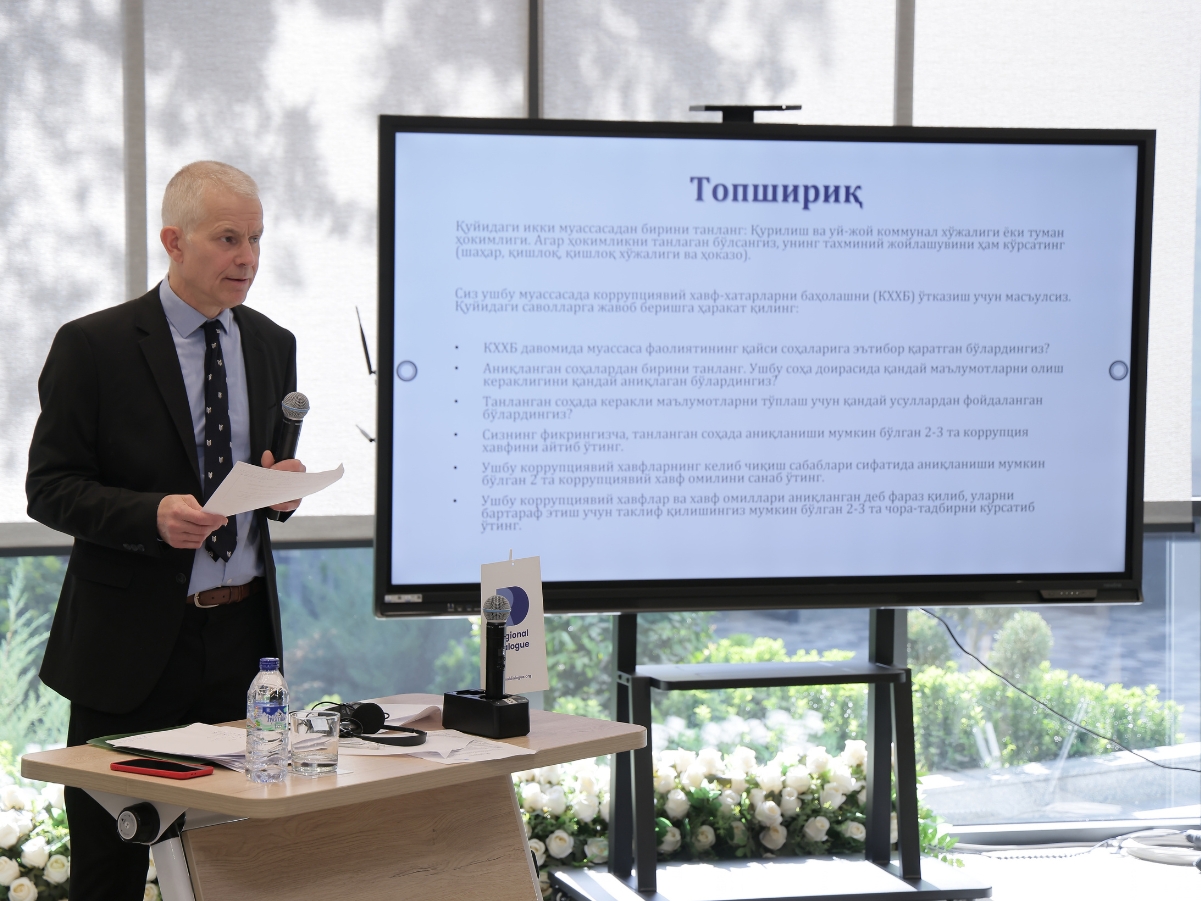
The training, taking place on 8–9 October, has been organised within the framework of a European Union project aimed at improving governance and preventing corruption in Uzbekistan, with the support of the international non-governmental organisation Regional Dialogue and the Deutsche Gesellschaft für Internationale Zusammenarbeit (GIZ). The sessions are being conducted by Quentin Reed (United Kingdom), an international expert in combating corruption and risk assessment.
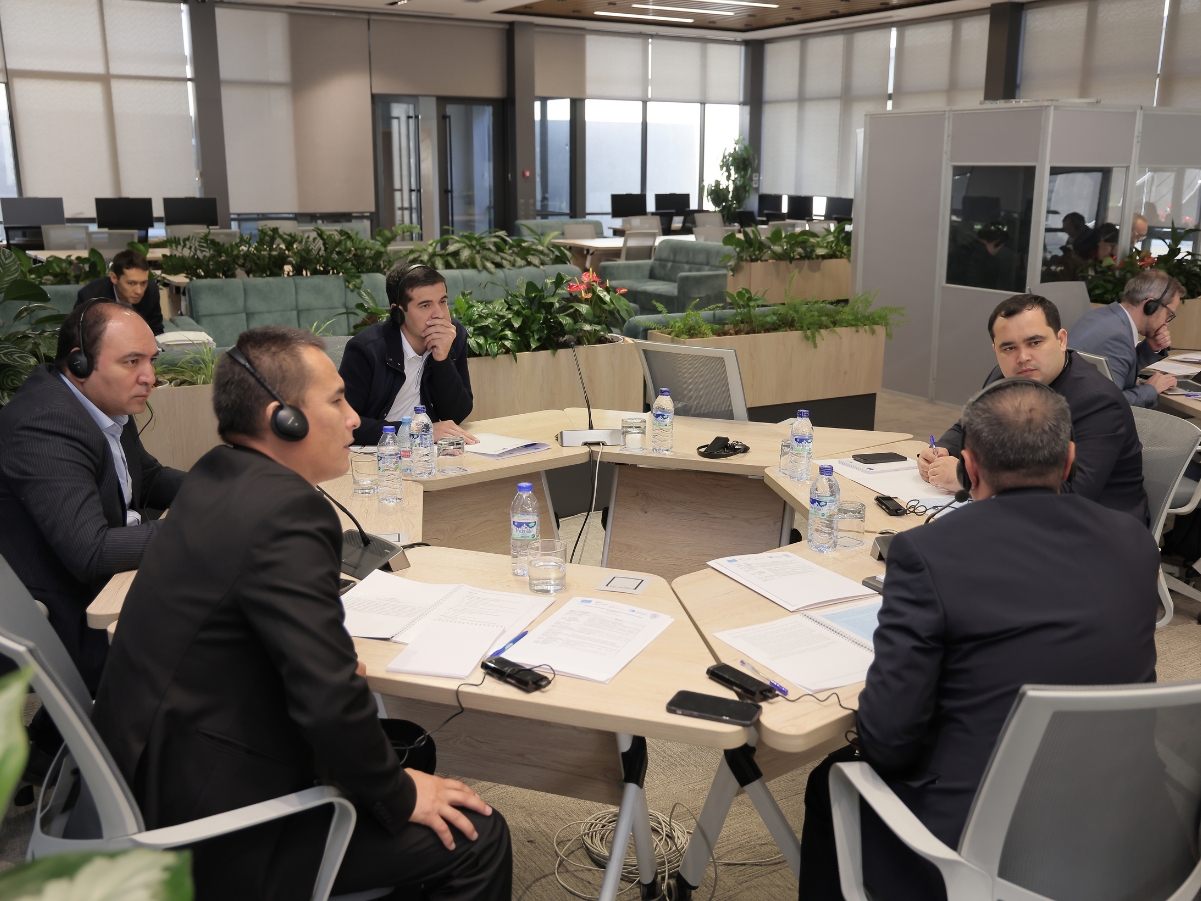
As part of the programme, participants are learning, through practical exercises, methods for identifying and assessing corruption risks and analysing the causes that give rise to them, as well as the conditions that enable them. Issues related to translating assessment findings into preventive measures tailored to the specific activities of government bodies and organisations are being discussed.
The training also incorporates Integrity Planning: A Guide for Public Institutions in Uzbekistan as a methodological resource. Opportunities to apply the approaches outlined in the guide to risk assessment and the planning of anti-corruption measures are being considered.
The training is attended by representatives of the Senate Committee on Judicial and Legal Affairs and Anti-Corruption of the Oliy Majlis, the Legislative Chamber’s Committee on Anti-Corruption and Judicial and Legal Affairs, the Prosecutor General’s Office, the Anti-Corruption Agency and the Cadastre Agency. Responsible officials from ministries covering internal affairs, construction and housing and communal services, healthcare, poverty reduction and employment, education, agriculture, water management, economy and finance, energy, culture, and digital technologies are also participating.
Within the framework of the Anti-Corruption Cluster, representatives of the Academy, Tashkent State University of Law, the Institute for Criminological Research, and the Institute for Retraining and Advanced Training of Legal Personnel are also participating in the sessions.
Particular attention during the training is being paid to linking anti-corruption action plans with the results of risk assessments. Participants are discussing approaches to developing measures that address the underlying causes of identified risks and can be implemented in the activities of the relevant body or organisation.