
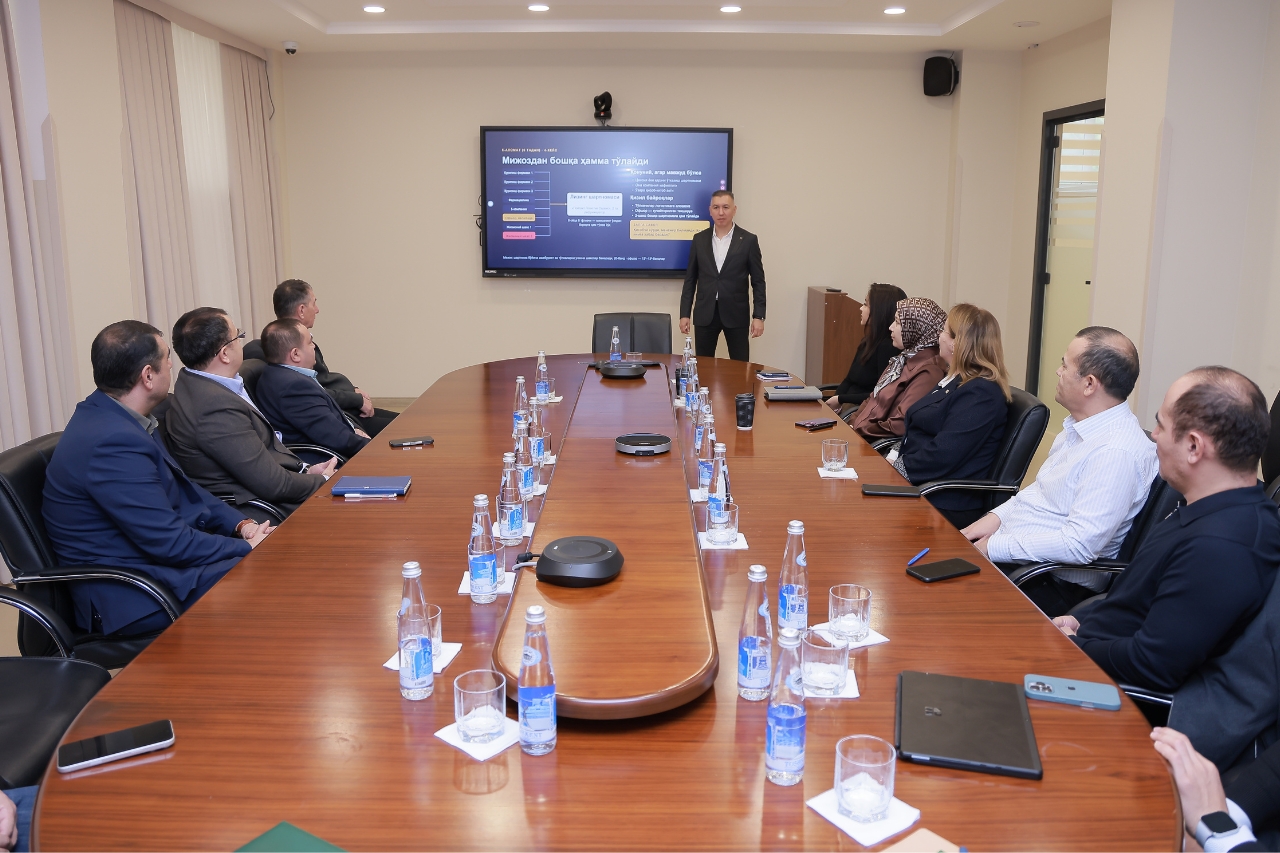
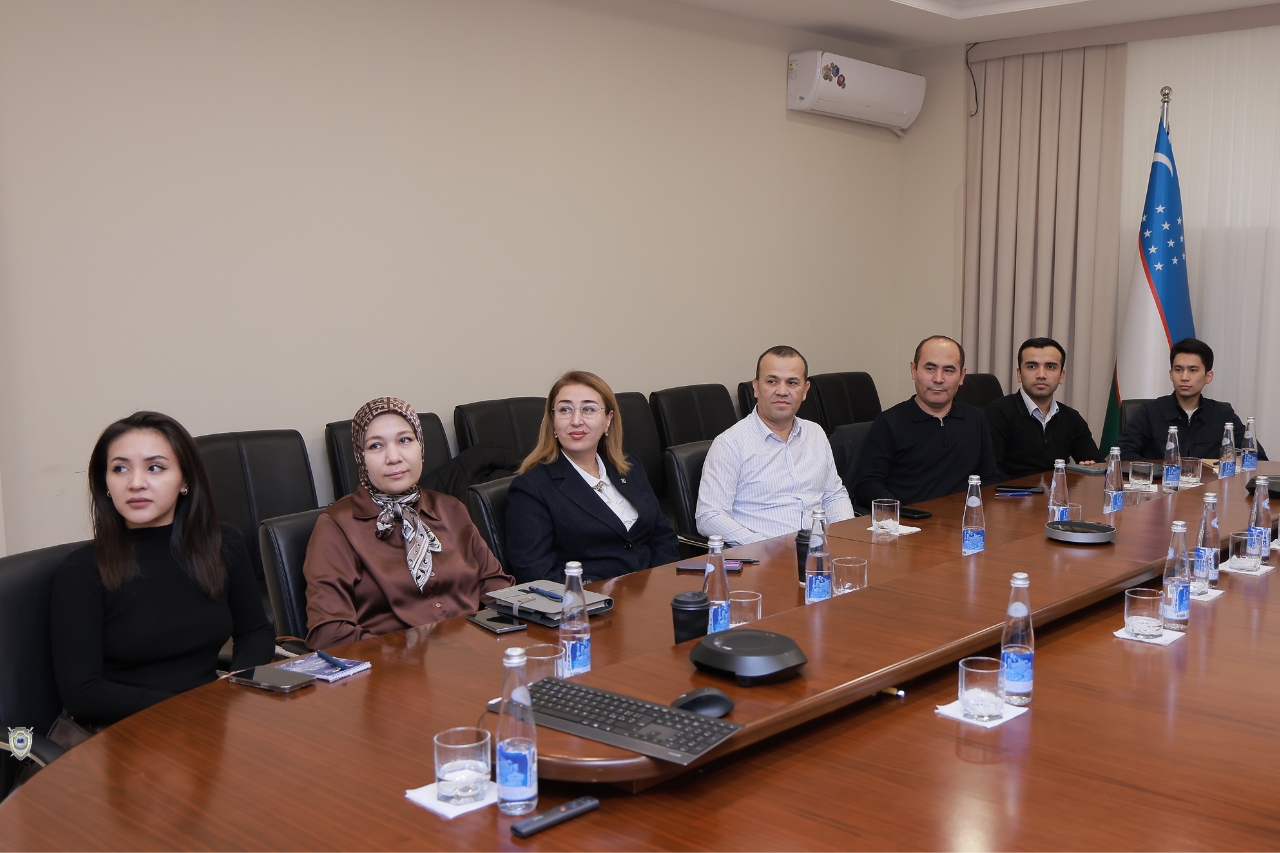
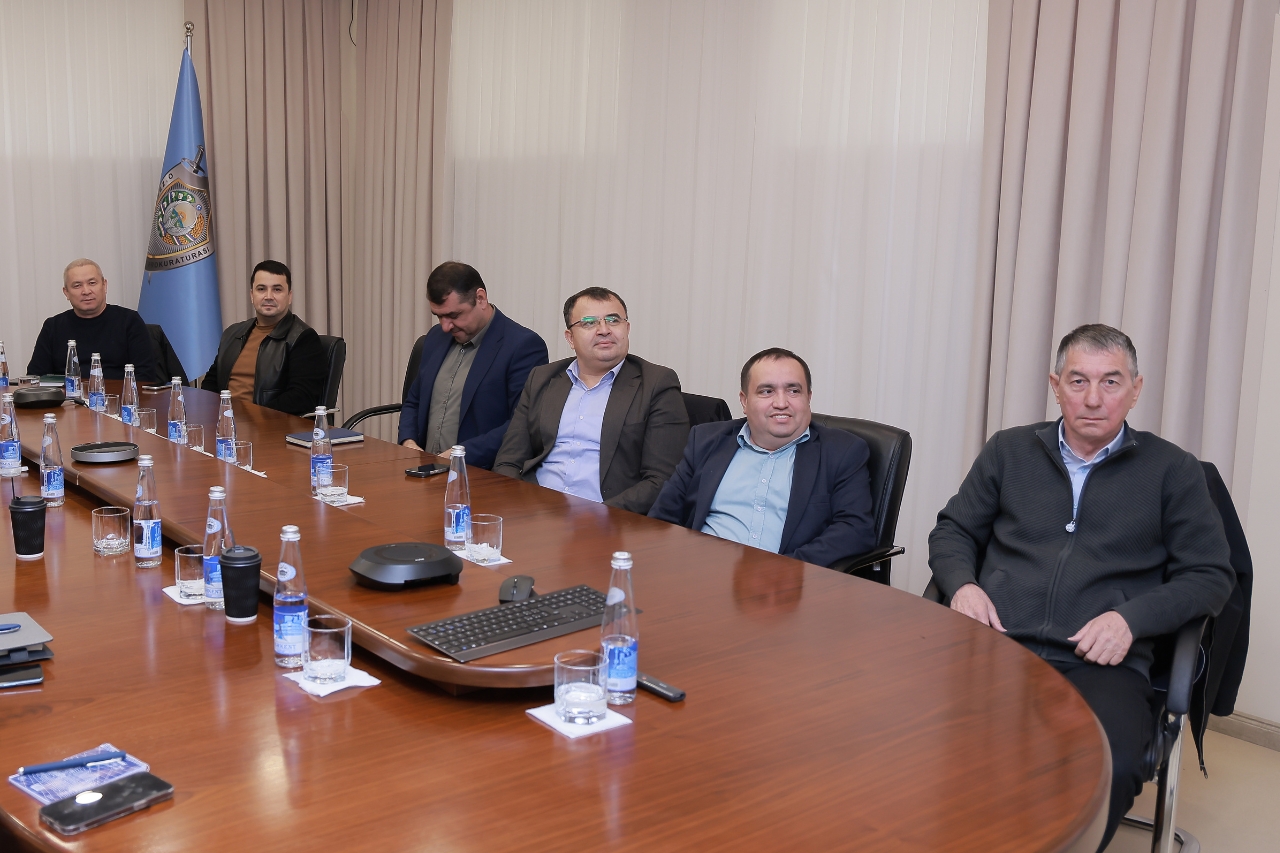
Identifying suspicious transactions, recording their indicators and reporting them within the prescribed time limits were the main topics of a two-day training programme designed for employees responsible for internal control at leasing organisations. The training was organised by the Law Enforcement Academy of the Republic of Uzbekistan in cooperation with the Leasing Association, the Department for Combating Economic Crimes under the General Prosecutor’s Office, and the Ministry of Economy and Finance.
On the first day, participants examined corruption risks arising at various stages of leasing activities, including conflicts of interest, the selection of leasing assets and suppliers, property valuation, and contract conclusion. The national system for combating money laundering, the financing of terrorism and the financing of the proliferation of weapons of mass destruction, as well as the risk-based approach, were also discussed. Particular attention was paid to the amendments introduced to the internal control rules in 2026, including guarantees relating to the status, powers and independence of the responsible officer.
The second day focused on procedures for identifying suspicious transactions and reporting them to the specially authorised state body. Participants were briefed on the requirements for reporting within one working day of a transaction being identified as suspicious, documenting reports, maintaining a special register, retaining documents and ensuring confidentiality.
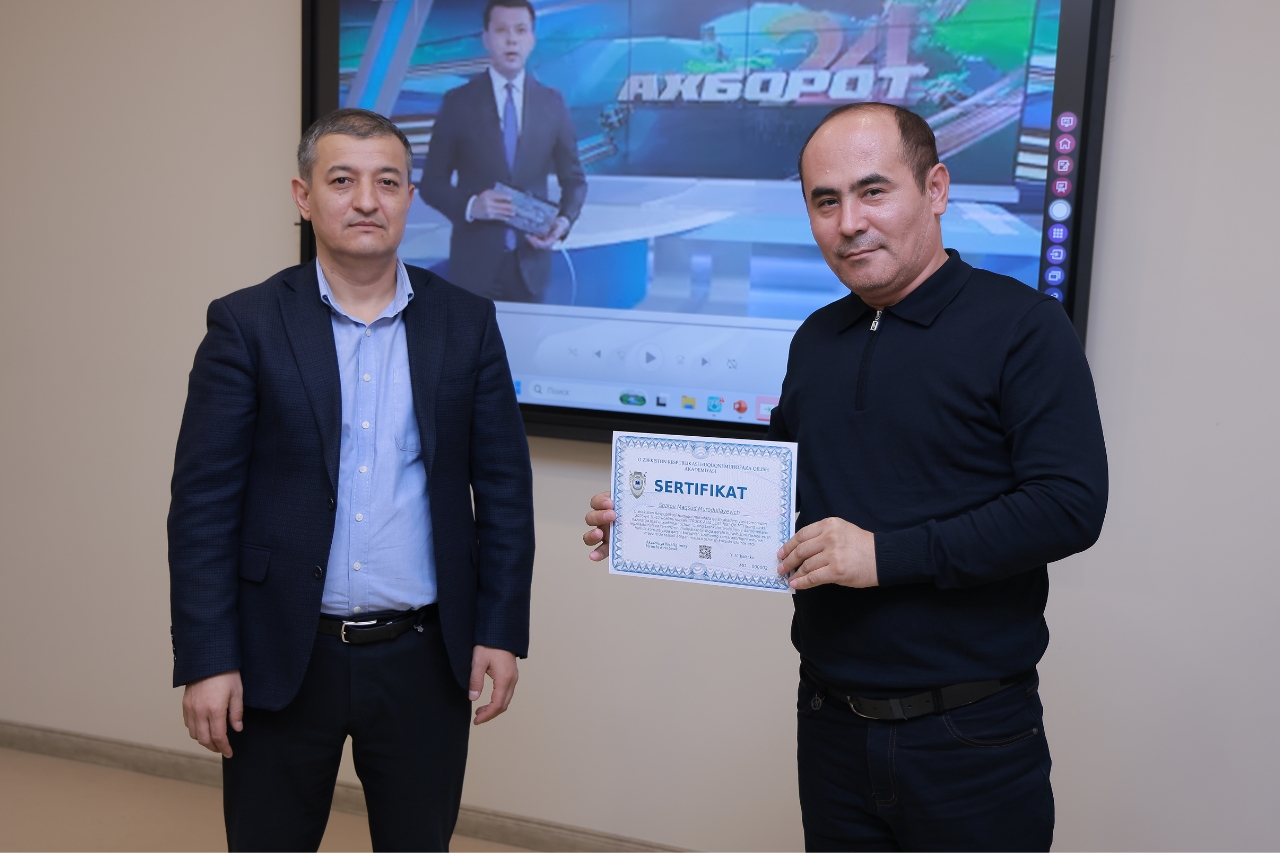
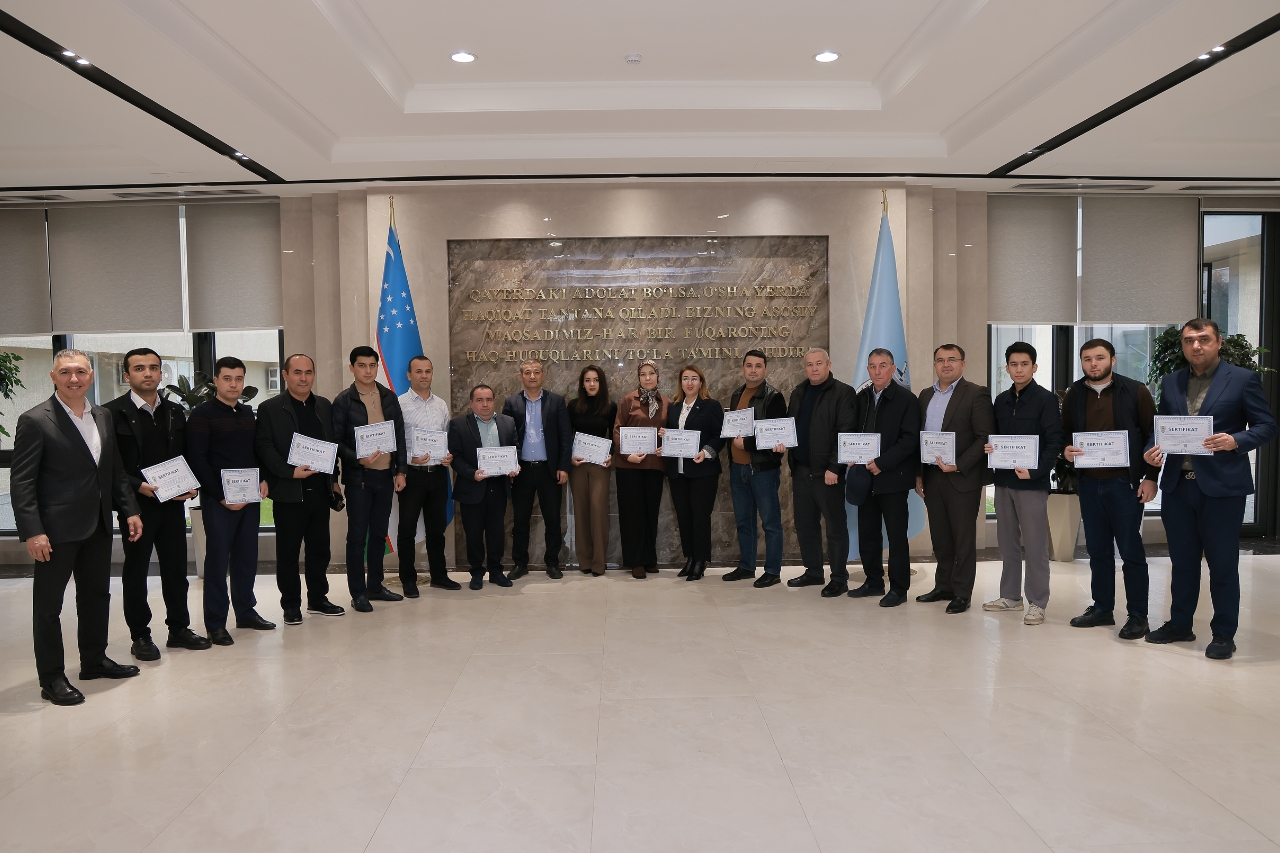
Practical examples were used to analyse situations requiring particular attention, including leaseback arrangements, significant discrepancies between an asset’s value and its market price, full payment made ahead of schedule, unclear sources of funds, and payments made by third parties. At the end of the training, participants discussed current internal control issues and received certificates. Analysing such situations made it possible to link legislative requirements with the day-to-day work of responsible officers.